tree day
Guide
How to record wildlife sightings?
A useful wildlife record captures what you saw, when and where you saw it, and how certain you are. Learn a simple field-note method that preserves detail without disturbing wildlife or overstating an identification.
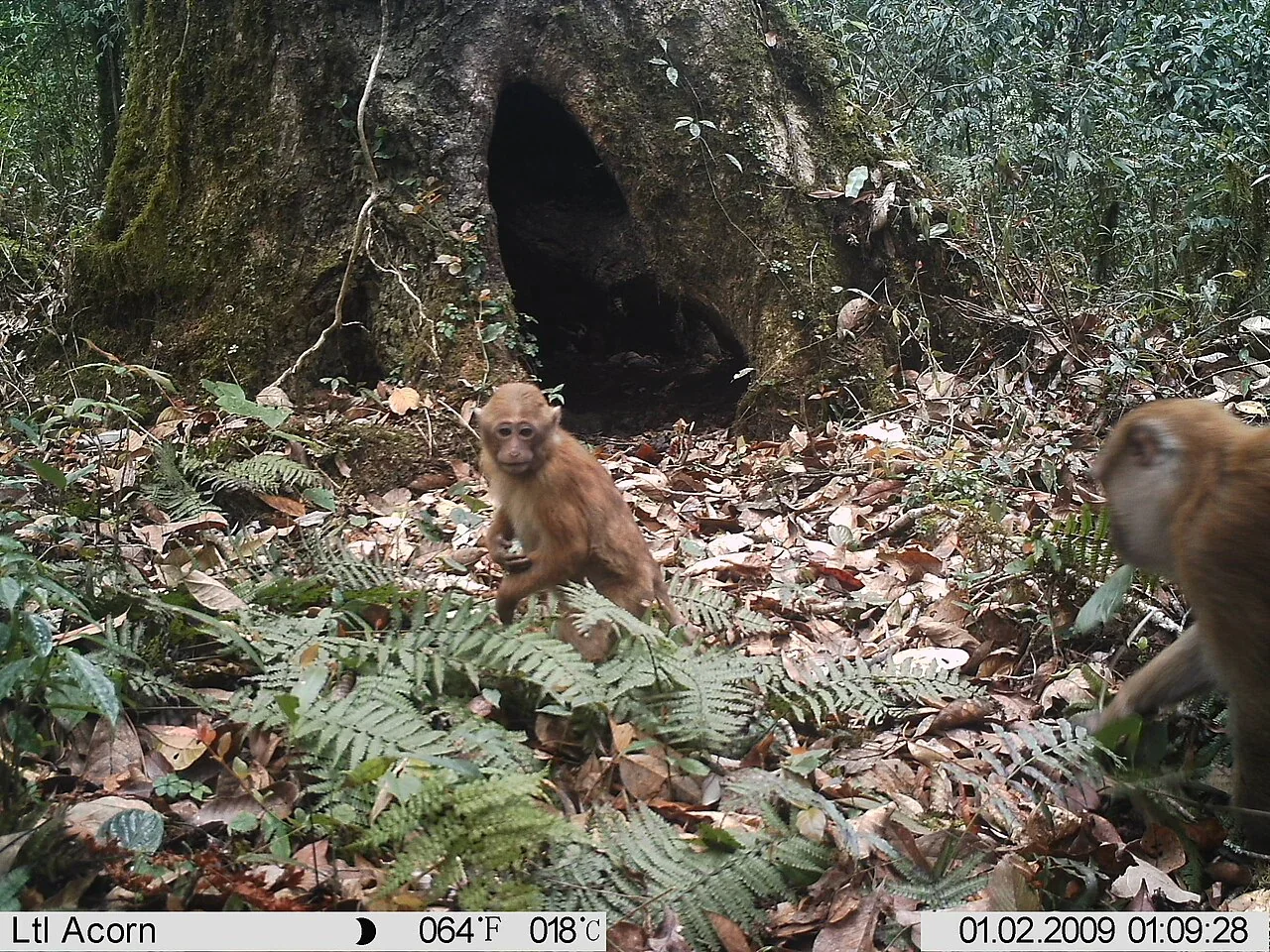
A wildlife sighting becomes useful when someone else can understand what you observed, where and when it happened, and how sure you are. A quick note with a date, broad location, behavior and identification confidence is more reliable than a confident species name added later from memory. The record can stay in a notebook or be submitted to a project, but the same careful habits make either format stronger.
Capture the basics while they are fresh
Record the date and approximate time, the place, and what the animal was doing. Describe the location at a level that makes sense for your purpose: a park or neighborhood may be enough for a personal journal, while a project may request coordinates or a named site. Include relevant context such as whether you saw one animal or several, whether it was feeding or moving, and how long you watched.
Write visible traits before settling on a species name. For a bird, that might include size, colors, shape, call and movement; for an insect, it might include body pattern, wings and the flower or surface it visited. This creates a record that can still be checked if the identification changes. The National Park Service notes that biodiversity includes less familiar organisms such as invertebrates and microorganisms, not only conspicuous plants and animals [1]. A careful record can begin with “small green insect on a leaf” when a precise name is not known.
Separate observation from interpretation
Keep what you directly saw distinct from what you infer. “Two bees visited purple flowers for about a minute” is an observation; “the garden supports a healthy bee population” is a broader conclusion that one brief visit cannot establish. Use phrases such as “possibly,” “appeared to” or “unidentified” when the evidence is incomplete. A record does not become less useful because it admits uncertainty.
This distinction matters when observations are compared over time. If you record a pollinator only when you can confidently identify it, your notes may omit the less familiar visitors. If you record it as an uncertain insect and describe its features, someone may still be able to review it. The U.S. Fish and Wildlife Service describes pollinator science as part of its conservation work [2]; a useful observation supports that kind of effort only when its limits remain visible.
A field example: one flower visit
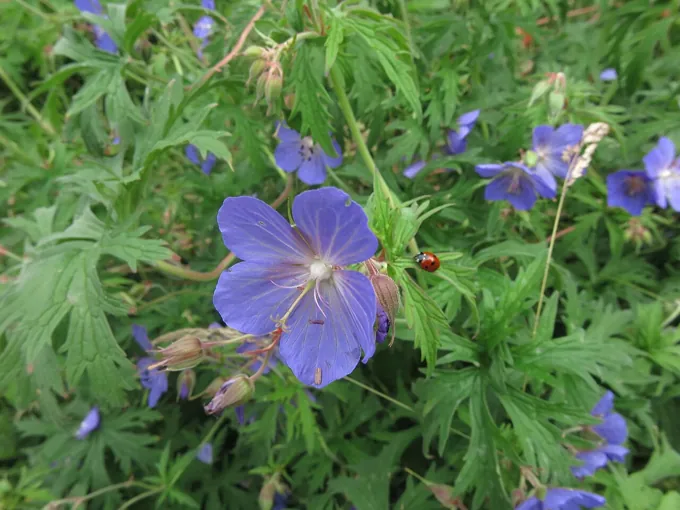
Imagine you notice an insect visiting a flower on a walk. From a spot that does not disturb it, note the time and general location, the flower’s appearance, the insect’s visible features and whether it landed, fed or moved on. If you take a photograph, capture the setting and identifying details without touching the plant or insect. Add a short note about distance or visibility if those conditions made the identification difficult.
Later, compare the image with a reputable field guide or the identification guidance of a project you may use. If two possibilities remain, preserve that uncertainty rather than choosing the more interesting name. A photograph can help, but it does not always show the traits needed for identification. Keep the original note alongside any revised identification so the basis for the change is clear.
Choose a format that preserves context
A pocket notebook is quick and works without a signal; a digital form can make it easier to organize records or send them to a project. Either is fine if you can retrieve the observation later. For a recurring list, use consistent fields so that dates, locations and behavior are recorded in the same way. Avoid relying on a photo alone, since it may not capture the time, location or what happened before and after the image.
If you submit records online, check who can see the location. Exact coordinates for a nest, den or rare species can draw unwanted attention. Use a project’s sensitivity settings or follow local guidance about reducing location precision. Do not post a vulnerable animal’s whereabouts publicly just to make a record seem more complete.
Turn notes into a responsible contribution
Before adding a sighting to a community dataset, read its instructions. Projects differ in the species they want, the evidence they accept, how they handle uncertain identifications and whether they ask for effort information such as time spent searching. Follow the protocol rather than adapting the record to fit what you think the project wants.
A common mistake is to record only dramatic or unusual encounters. Regular, modest observations can be easier to compare when they use a consistent method, while a striking sighting may deserve extra care before identification or location details are shared. Start with one walk: write the date, approximate time, general place, visible traits, behavior and confidence. Then decide whether the note belongs in a personal journal or a project with instructions that match it.
Follow the evidence
Primary sources used in this story. Practical examples are illustrative unless a source states otherwise.
Read our editorial standards. Have a correction? Identify the article and relevant source in your feedback to the site owner.