tree day
Guide
How to organise a biodiversity survey?
A small biodiversity survey is most useful when it defines a place, a repeatable method and clear limits on what observations can show. Plan permissions and safe, non-invasive recording before inviting participants.
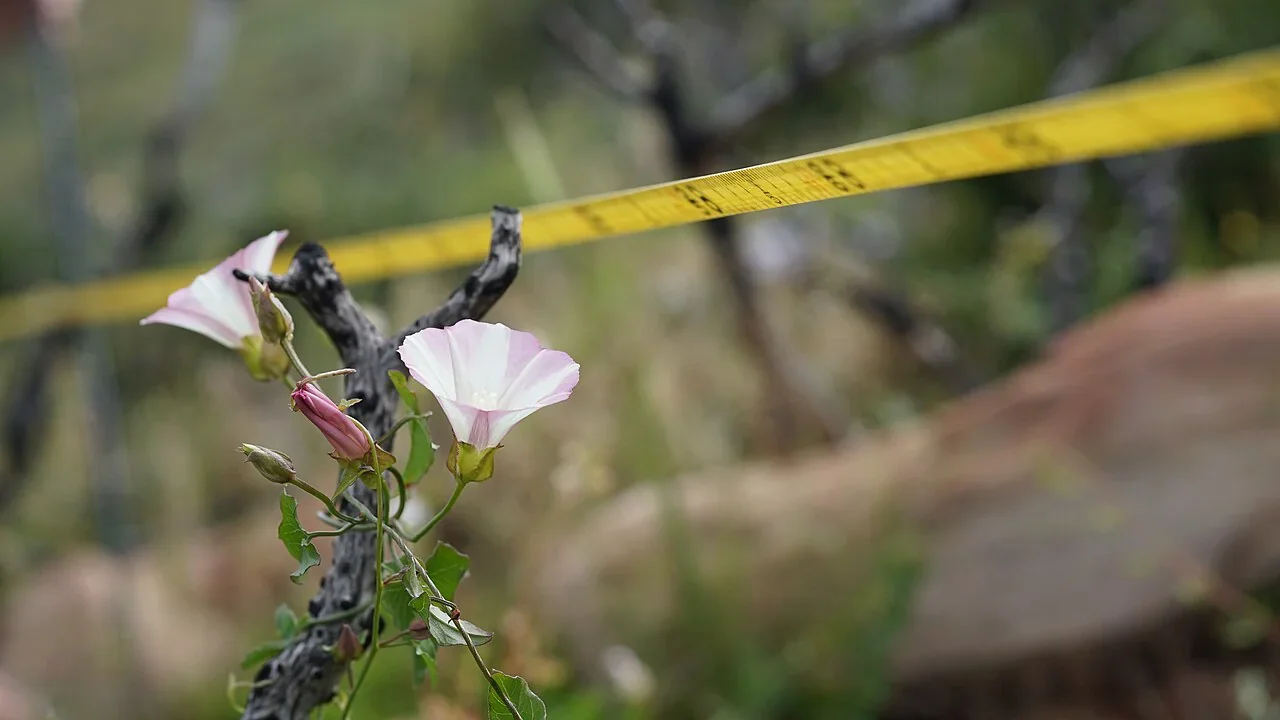
To organise a biodiversity survey, decide first what area and kinds of life you can observe consistently. A survey of one school garden on three visits can be more useful than an ambitious count across a whole neighborhood that nobody can repeat. The method should fit the question, the participants and the site, with clear rules for recording uncertainty and leaving wildlife undisturbed.
Write a question with boundaries
Specify the location, the dates or season, and what you intend to record. “What plants and animal signs can we observe in this garden?” is workable; “How healthy is the whole ecosystem?” asks for far more evidence. Decide whether the survey will record species, broad groups, signs such as tracks, or habitat features. Keep the first round narrow enough to finish.
Check ownership and get permission before entering or sampling a site. If the survey is on school grounds, coordinate with facilities staff. Avoid collecting organisms unless an experienced local partner has confirmed that collection is appropriate and permitted.
Choose a method people can repeat
Select a simple approach suited to your question: timed observation from a fixed spot, a mapped walk along the same route, or a checklist of visible plant groups in a defined plot. Write down the route or boundaries and how long observations last. Consistency matters more than complexity when volunteers have different experience levels.
A hypothetical class could walk the same garden path for 15 minutes on three afternoons and record birds seen or heard, plants in flower and weather. The duration is just an example, not a universal standard. If the goal is comparison, the class should keep its own method consistent and note any changes.
Prepare participants to record carefully
Make a field sheet with date, start and end time, weather, location, observer and observation. Separate what was directly seen from an identification or interpretation. If a child hears a call but cannot identify the bird, “bird call, unknown” is more useful than a confident guess. A photo from a distance may help later, but do not approach nests or disturb animals.
Set simple safety boundaries before starting: stay on approved paths, do not touch unknown plants or wildlife, and stop if conditions make the site unsafe. For heat, smoke, water quality or emergencies, use official local guidance rather than asking a survey to provide safety advice.
Plan for a fair comparison
Weather, time of day, season and observer experience can change what participants notice. Record these conditions and avoid comparing unlike visits as if the method were identical. If one visit follows rain and another occurs during a dry spell, that difference may affect what is visible; it is a context to report, not proof of a cause.
Be clear about what your survey cannot establish. A list of species observed in one garden does not measure biodiversity across a city, and a brief survey cannot show that restoration succeeded. The UN Decade on Ecosystem Restoration describes restoration as assisting recovery of degraded ecosystems and conserving those that remain intact; a survey can document observations relevant to a place, but it is not by itself a restoration assessment. [1]
Share results with their limits attached
Summarize the area, dates, method, number of visits and notable observations. Include uncertainty and any missing visits. A small dataset can still help a school decide what questions to ask or what habitat features to protect, especially when shared with a local naturalist or land manager who understands the site.
Do not frame more observations as automatically better habitat. A change in observer, timing or visibility can alter counts. If you want a useful next round, ask a local conservation group or extension office to review the method before expanding the area.
Follow the evidence
Primary sources used in this story. Practical examples are illustrative unless a source states otherwise.
Read our editorial standards. Have a correction? Identify the article and relevant source in your feedback to the site owner.