Countries adopted the Yerevan Pathway at COP17 on 31 October, setting priorities for biodiversity action through 2030 and announcing new funding. Implementation now moves back to national governments.
The first global assessment under the Kunming-Montreal framework finds widespread national commitments but slower delivery. Fewer than half of assessed national targets are on track.
Biodiversity is the variety of life, from genes and species to ecosystems, including organisms that are small, uncommon or easy to overlook. Thinking across these levels helps explain why a habitat’s condition cannot be judged by counting only familiar plants and animals.
An ecosystem is a community of organisms interacting with one another and with the physical conditions around them. Thinking in terms of relationships, flows, and boundaries makes the concept useful in a yard, pond, forest, or city block.
A keystone species has an ecological influence that is especially large relative to its abundance. The label describes a species' role in a particular community, not a universal ranking of which organisms matter most.
Biodiversity matters because living systems connect species, habitats and ecological processes, while people rely on some of those relationships for food, livelihoods and well-being. Its value is practical and ecological, even when individual organisms are not immediately visible or useful to us.
An ecosystem service is a benefit people receive from ecological processes and living systems. The idea can clarify how nature supports daily life, while careful examples avoid pretending that every benefit is easy to price or replace.
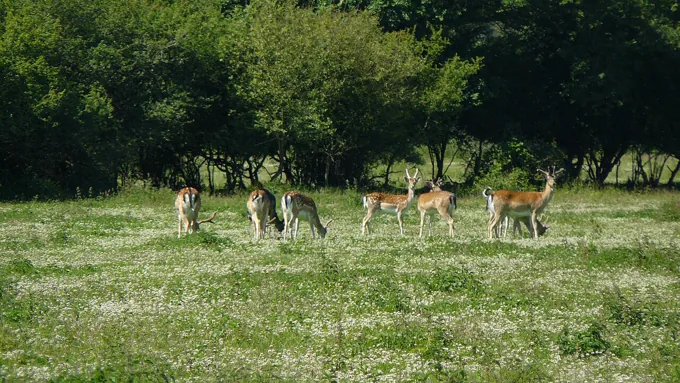
A food chain follows one path of energy transfer between organisms, while a food web maps many connected feeding relationships. Use a chain to explain a simple route and a web to see the alternatives and dependencies around it.
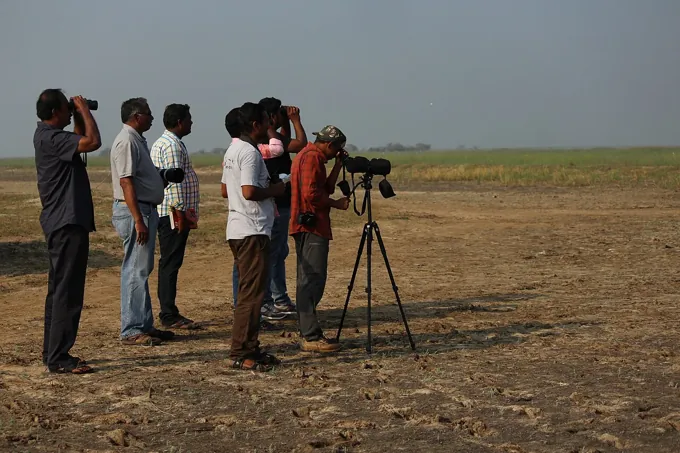
Citizen science is research that involves members of the public in activities such as observing nature and recording data. Here’s how participation can contribute useful evidence, what it cannot establish alone and how to choose a project that fits.
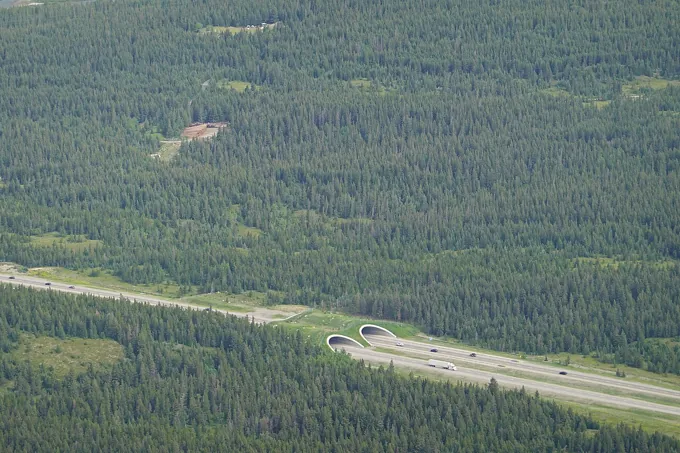
A wildlife corridor is a route or connected habitat that helps organisms move between areas they use. Whether a strip, crossing, or chain of habitat functions as a corridor depends on the species, landscape, and conditions along the route.
Rewilding is an approach to nature recovery that gives ecological processes more room to operate, often by reducing intensive management and allowing habitats to change. Learn what that can mean on a real site and how to assess its limits.
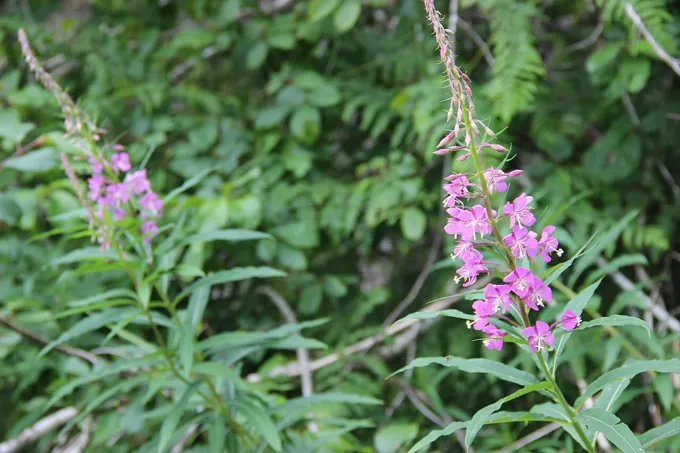
Native and non-native describe where a species occurs in relation to a particular place; neither label alone tells you whether it causes harm. Learn how to use the distinction when choosing plants or interpreting wildlife.
Species diversity counts the variety of species in a place; genetic diversity describes variation within a species. Both matter, but they answer different questions about the resilience and makeup of living communities.
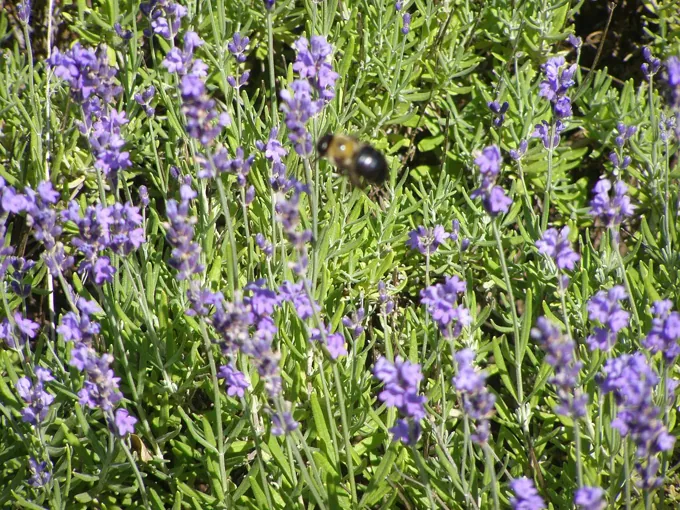
Insects are part of biodiversity and connect plants, wildlife and human life in ways that are easy to overlook. Seeing their value clearly means looking beyond the few species that visit a flower or bother a household.
A wildlife-friendly garden combines locally suitable plants with food, shelter and places to move through the yard. Begin with the conditions you have, then improve one section at a time.
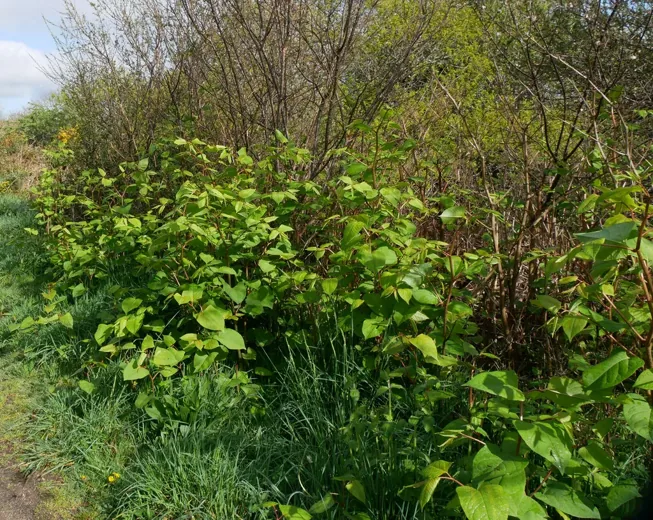
Reliable identification starts with a location, clear images and several plant features, then checks the result against local official guidance. A fast-spreading plant is a reason to investigate, not proof by itself.
Pollinator decline is a documented concern, but the supplied evidence does not establish one universal cause or explain every local trend. Understand what the evidence supports and how to interpret it at home.
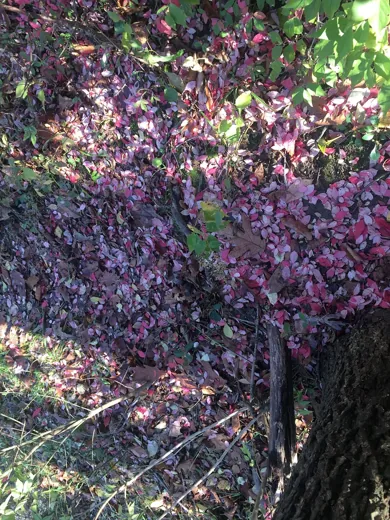
A layer of fallen leaves shelters small organisms, returns organic matter to soil, and can provide cover for wildlife. Learn where to leave it, when to clear it, and how a selective approach fits paths, drains, lawns, and fire conditions.
 tree day