tree day
Guide
What is citizen science?
Citizen science is research that involves members of the public in activities such as observing nature and recording data. Here’s how participation can contribute useful evidence, what it cannot establish alone and how to choose a project that fits.
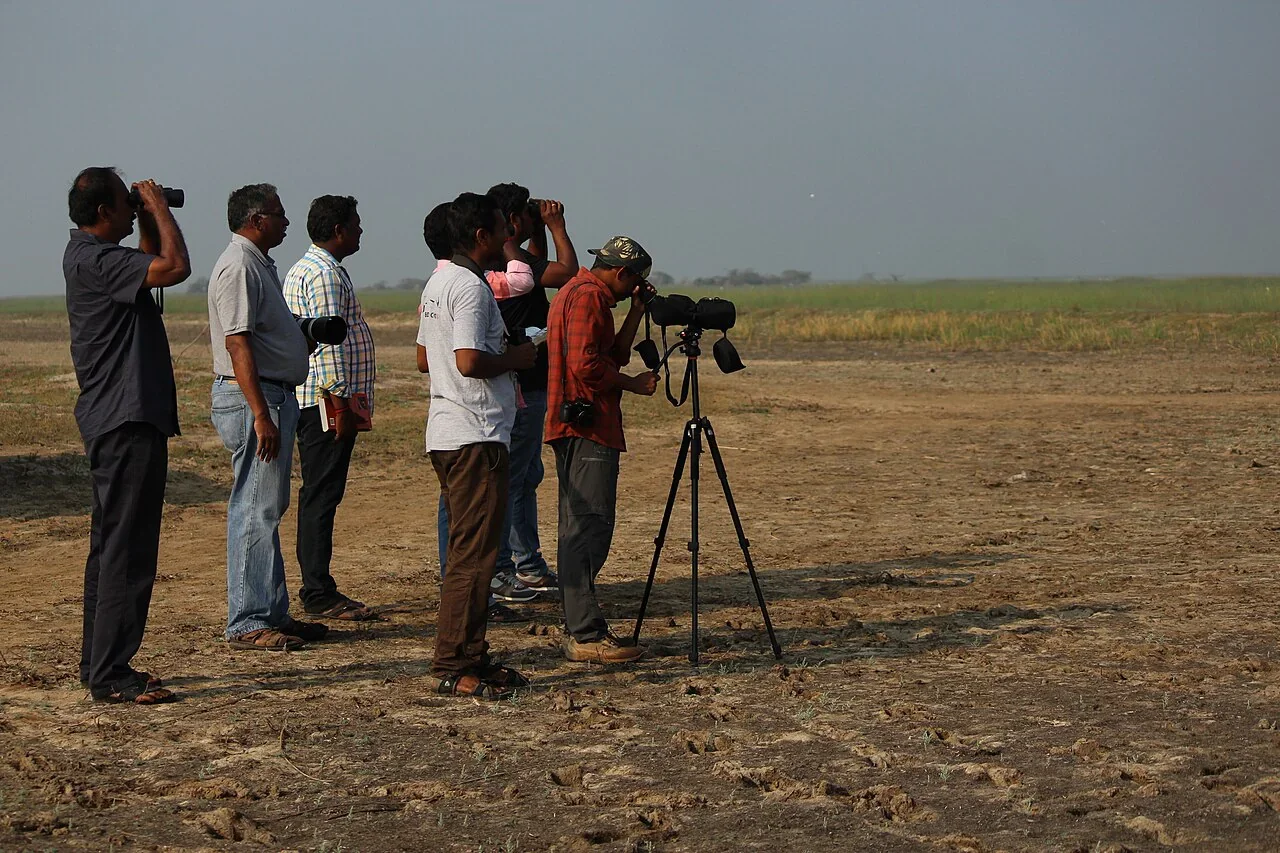
If you note the date a butterfly appears in your yard and submit that observation to a project, you may be taking part in citizen science. The term describes research that involves members of the public in gathering, classifying or otherwise contributing information. It can turn everyday curiosity into a record researchers may use, provided observations are made and shared in ways the project can interpret.
Public participation, organized around a question
The phrase covers a range of activities, from counting birds at a defined site to identifying photographs online. A project typically has a research question, instructions for what to record and a method for submitting observations. Those details matter: a list of species noticed on a walk is not automatically comparable with a count made at the same place for a fixed period using a stated method.
The National Park Service describes biodiversity as variety at multiple levels, from ecosystems and species to genes, and includes organisms that are not easily seen [1]. Citizen science can help people notice that wider variety, but each project measures only what its protocol asks participants to observe. One pollinator-counting project, for example, might collect visits to flowers; it does not by itself describe all biodiversity in the area.
What an observation contributes
A person can contribute information that would be difficult for a small research team to gather everywhere. Imagine a project asking volunteers to record flowering plants and visiting insects along a specified route. Repeated visits by many participants could produce observations across more places and dates than one observer could cover. That broader coverage is a potential contribution, not a guarantee that every record is equally complete or that the observations prove a cause.
The U.S. Fish and Wildlife Service says pollinators provide benefits to people and wildlife and describes support for pollinator science and habitat restoration as parts of its work [2]. A public observation project focused on pollinators could help build records relevant to such questions, depending on its design. The practical value is in contributing records that match the project’s question, not in claiming that one sighting demonstrates a population trend.
Why protocols and uncertainty matter
Projects need records that others can interpret. Instructions may specify a location, observation period, species list, weather notes or how to mark an uncertain identification. Follow these rules even when they seem fussy: consistent observations make comparison more meaningful. If you cannot identify an animal confidently, use the project’s uncertainty option or submit a photograph only if its rules permit it.
Participation does not make every observation error-free. A participant may overlook a species, confuse two similar organisms or record a visit that was difficult to see. Projects can use expert review or other checks, but methods vary. Read how the project handles identification and data quality before assuming that a submitted record has been verified.
A practical first project
Suppose you have fifteen minutes during a regular walk and want to help document local nature. Look for a project that accepts observations from your area, explains its question and offers a simple protocol. Before going out, check whether it asks for all species seen or only particular ones, whether it wants a timed search and what location detail it collects. Then make one observation at a time and submit only what you can support.
This approach works because it fits the observation to the project’s method. Its trade-off is that a focused protocol may ask you to ignore interesting things outside its scope. You can keep a separate personal nature journal for those discoveries, while reserving project submissions for the requested records. If the project has a training guide, try a practice identification before submitting data.
Choose a project with care
Check who runs the project, what it hopes to learn, how participants’ data will be used and whether location information is public. Sensitive sightings can put wildlife at risk if exact locations are widely shared. A project should explain how it handles privacy and whether participants can control public display of their records.
Citizen science is not a substitute for professional monitoring, and a set of volunteer observations may have limits in coverage or consistency. It is a way to contribute within a defined process. Start with a project whose instructions you can follow, make a small number of careful records, and decide whether the work is useful and enjoyable enough to continue.
Follow the evidence
Primary sources used in this story. Practical examples are illustrative unless a source states otherwise.
Read our editorial standards. Have a correction? Identify the article and relevant source in your feedback to the site owner.