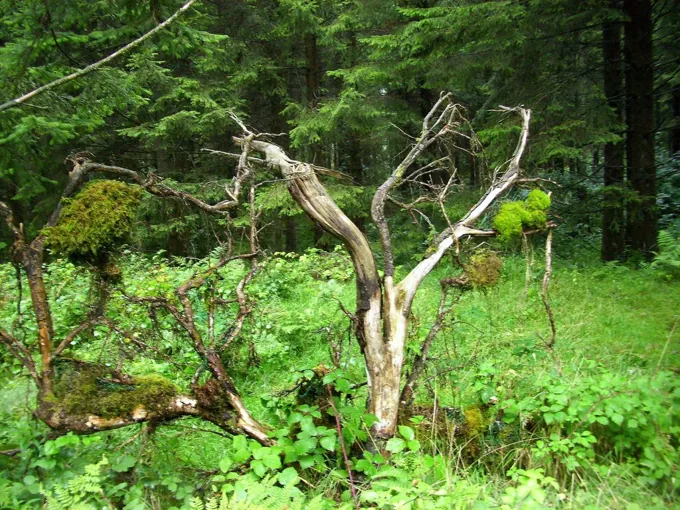
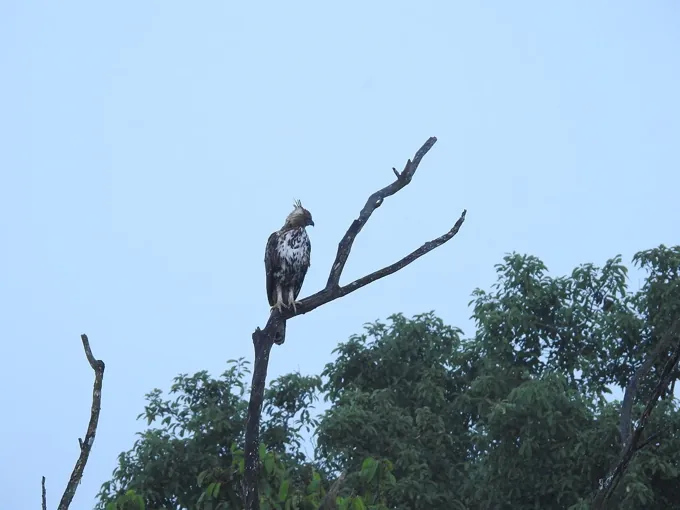
Dead branches, logs, and standing trunks can provide shelter and food for fungi, insects, and other wildlife. Learn what they contribute, where retaining them makes sense, and how to balance habitat with access and safety.
Rewilding and restoration both aim to improve nature, but they differ in how much ecological change is guided directly. Compare their goals, management choices and trade-offs to decide which description fits a project or place.
Protected area and conservation area describe places managed to safeguard nature, but their meanings and rules depend on the country, designation and site. Learn how to check what protection actually means before visiting or evaluating an area.
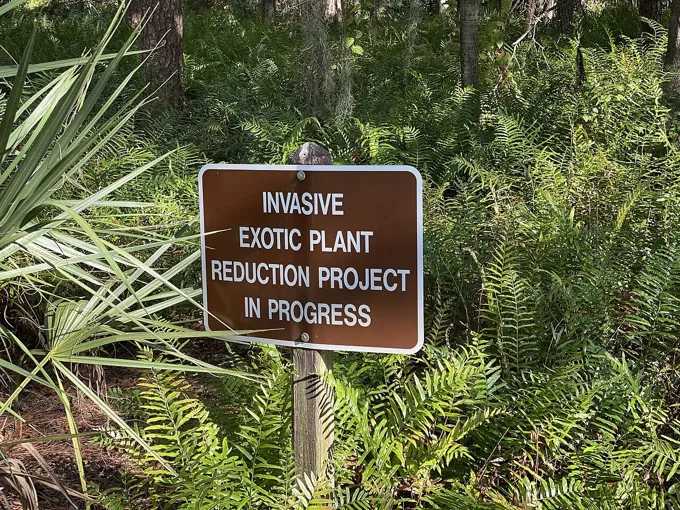
Non-native describes origin; invasive describes a subset of non-native species that cause or are likely to cause harm. This distinction helps gardeners, pet owners and travelers choose a sensible next step.
Responsible wildlife watching starts with letting animals control the encounter. Learn how distance, quiet observation, habitat care and careful sharing can reduce disturbance while still making a meaningful experience possible.
Support small mammals by preserving connected cover, limiting avoidable hazards, and checking local wildlife guidance before offering food or shelter. The right actions depend on which species live in your region.
Reduce collision risk by making reflective or transparent glass visible to birds and by managing nearby attractants. Focus on the panes birds approach most, then choose a durable, closely spaced treatment suited to the window.
A useful wildlife record captures what you saw, when and where you saw it, and how certain you are. Learn a simple field-note method that preserves detail without disturbing wildlife or overstating an identification.
You can track garden biodiversity by observing several kinds of life and habitat in the same way over time. Use a small repeatable survey, record uncertainty and compare like with like rather than treating one species count as a complete score.
A pollinator-friendly home begins with locally suitable flowers and usable habitat, then improves through observation. A small, well-matched patch can help without requiring a complete garden redesign.
A bird-friendly garden offers food, shelter and safe movement through the seasons. Learn how to shape planting, water and maintenance around local species, with feeders as a limited supplement.
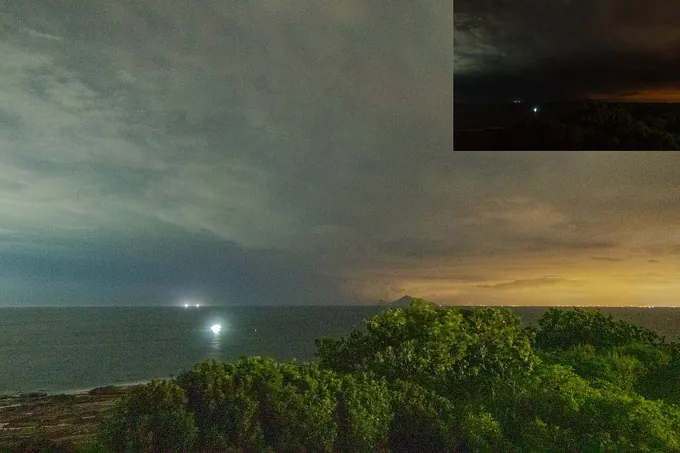
Outdoor light can change when and how animals move, feed, and interact, while also spilling into homes and neighboring habitat. Use lighting only where needed, direct it downward, and switch it off when the task is over.
Habitat loss is a reduction in the amount of suitable living space; fragmentation breaks remaining habitat into separated patches. They often occur together, but distinguishing them helps explain different pressures and possible responses.
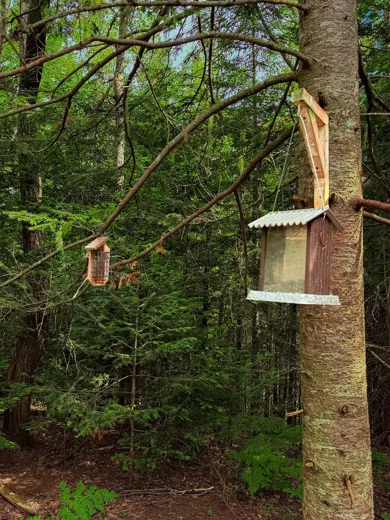
Feeders can offer birds a concentrated food source, but living habitat supplies shelter and a wider food web. Compare their roles and decide where limited space and upkeep will do the most good.
 tree day