tree day
Guide
Bird feeders vs natural habitat?
Feeders can offer birds a concentrated food source, but living habitat supplies shelter and a wider food web. Compare their roles and decide where limited space and upkeep will do the most good.
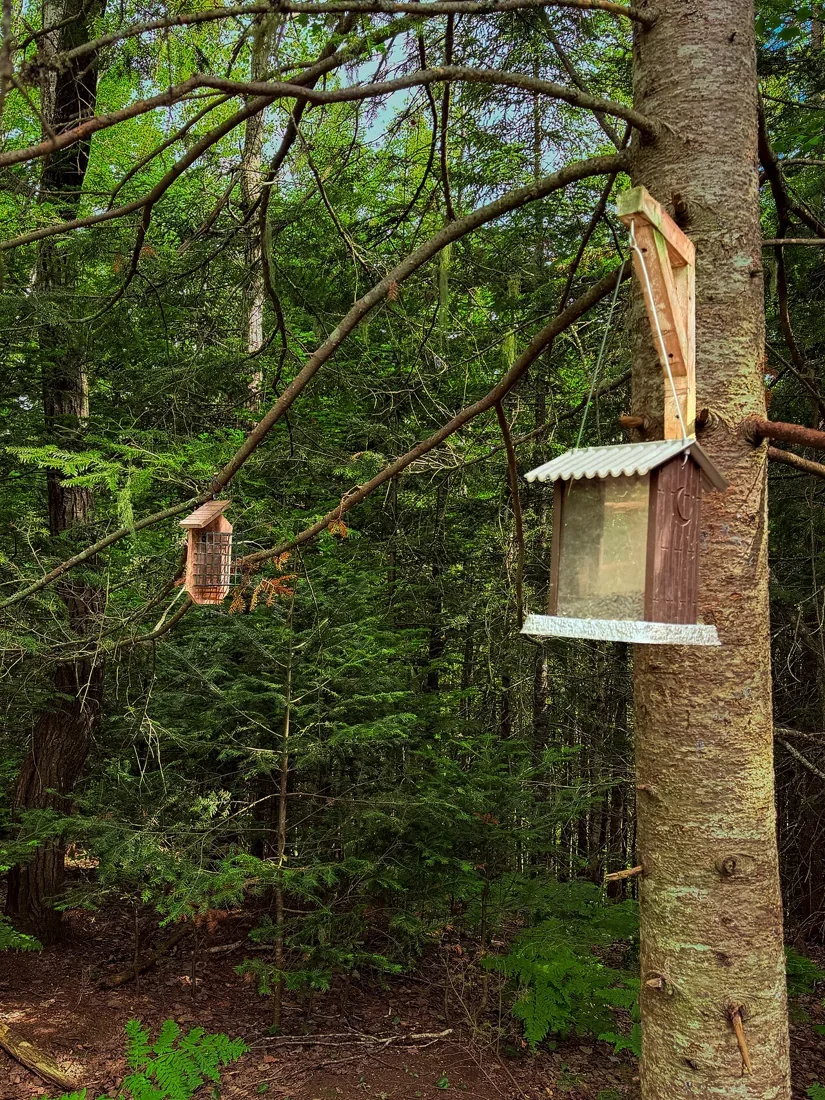
If you have time or space for only one bird-friendly change, build or protect natural habitat first. A feeder can supply food at a particular spot, but it cannot provide nesting cover, safe resting places, or the insects and plant resources that make a garden part of a wider ecosystem. The best choice depends on what your yard already offers and whether you can maintain feeding equipment consistently.
What a feeder does well
A feeder makes food accessible and observable. It can be useful where natural food is temporarily scarce, where a household wants to watch birds, or where a small space offers little planting opportunity. Its effect is concentrated: the birds that find it may return repeatedly, and the food source works only while it is stocked and maintained.
That convenience comes with obligations. Food needs to stay suitable and dry, and the feeder needs regular cleaning based on current wildlife guidance. Spilled seed can draw rodents, and a busy feeder near glass can create hazards. If you cannot keep up with cleaning or placement, a feeder is not an automatic benefit.
What habitat adds
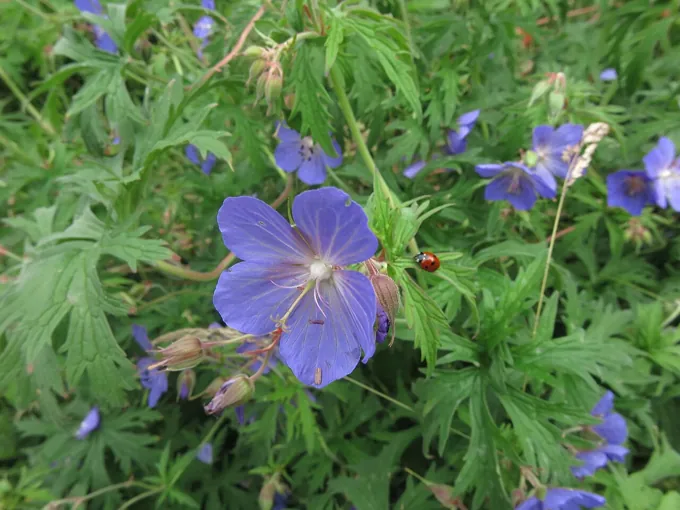
A planted space contributes resources at multiple levels: plants, insects, birds and the relationships among them. The National Park Service describes biodiversity as variety across ecosystems, species and genes, including organisms that are easy to overlook. [1] A garden with varied vegetation can support this broader web rather than focusing only on birds visiting a tray.
Pollinator habitat is one part of that web. The U.S. Fish and Wildlife Service says pollinators support plants and animals people depend on and encourages habitat restoration, including native pollinator gardens. [2] Plants selected for local conditions can feed pollinators and, in turn, support food webs used by birds. Habitat also gives birds cover and potential nesting places, functions a feeder cannot provide.
Compare the two in your own yard
Imagine a small yard with one feeder but no shrubs, flowers, or sheltered edges. Adding a locally suitable shrub or planting patch may address several needs at once: cover, foraging places, and resources across seasons. Now imagine a balcony with no ground to plant in and a household able to clean a feeder regularly. A carefully positioned feeder may be a reasonable contribution there, perhaps alongside containers of suitable flowering plants.
The trade-off is reach and reliability. Habitat takes time to grow and may not attract birds immediately; feeders work quickly but can be empty, dirty, or unsafe if neglected. Neither is guaranteed to help every species. Look at which birds use the area and what they lack before deciding. A patch of native plants is not automatically appropriate if the species is poorly matched to local soil, climate, or water availability.
Avoid treating “natural” as a label
A plant’s origin alone does not determine its ecological effect. The National Invasive Species Information Center distinguishes non-native organisms from invasive ones: invasive species are non-native and cause, or are likely to cause, harm. [3] Use local guidance to identify plants that spread aggressively in your area, and do not assume that any plant marketed as wildlife-friendly is suitable everywhere.
The same care applies to habitat features. Leaf litter or brush may be useful in one location but unsuitable beside a path, drainage inlet, or fire-prone area. Preserve or add habitat where it works for the site, and keep it manageable rather than trying to imitate a wild landscape in every corner.
A practical order of investment
First, protect existing shrubs, trees, and flowering areas that already provide cover or food. Next, fill an obvious gap with a locally appropriate plant or a less frequently maintained patch. Then consider a feeder if you can keep it clean, place it away from windows and predators, and supply it consistently. This sequence makes the feeder a supplement to living habitat.
Your next step can be small: inspect the area around the feeder or the emptiest part of the yard, then choose whether the limiting factor is food, cover, space, or upkeep. If you have room for habitat, start there; if you do not, make a feeder one carefully maintained part of a broader, smaller-scale effort.
Follow the evidence
Primary sources used in this story. Practical examples are illustrative unless a source states otherwise.
- US National Park Service: What is biodiversity? ↗
- US Fish and Wildlife Service: Pollinators ↗
- National Invasive Species Information Center: What are invasive species? ↗
Read our editorial standards. Have a correction? Identify the article and relevant source in your feedback to the site owner.