tree day
Guide
How to help garden birds?
A bird-friendly garden offers food, shelter and safe movement through the seasons. Learn how to shape planting, water and maintenance around local species, with feeders as a limited supplement.
To help garden birds, make the garden useful even when no feeder is full: provide cover, seasonally varied food sources, and a safe place to drink, while reducing hazards. The right mix depends on which birds live nearby and what your space can support. A small, layered planting can matter more than a large lawn, but choices should fit local conditions and avoid spreading plants that become invasive.
Start with what birds use
Watch for a week before buying anything. Note which birds visit, where they perch, whether they forage on the ground or in shrubs, and which parts of the garden stay quiet. That observation helps distinguish a need for dense cover from a need for open feeding space. Biodiversity includes life at ecosystem, species and genetic levels, so a useful garden is not simply one that attracts the most visible birds. [1]
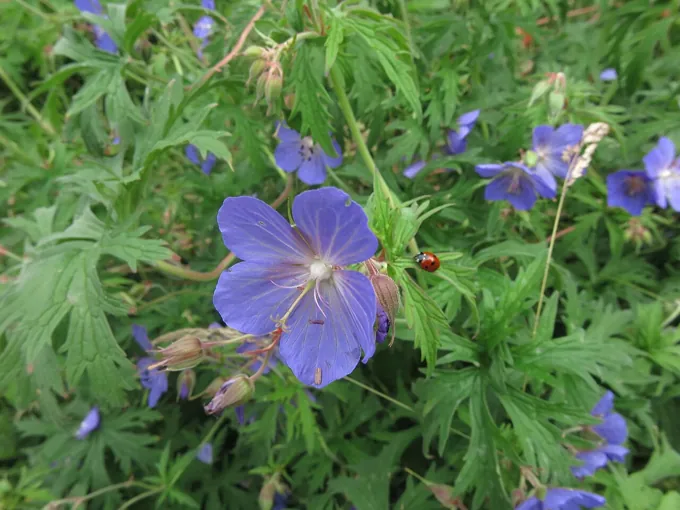
If your garden is mostly lawn, add structure gradually: a native shrub suited to the site, a patch of flowering plants, or a small area left less frequently cut. Different layers create places to forage and shelter. Favor plants with berries, seeds, or flowers that suit local wildlife and your soil and exposure, rather than choosing a generic list.
Let planting do most of the feeding
Plants support more than birds directly. Insects and other small invertebrates provide food, while flowers support pollinators and contribute to the wider web of life. The U.S. Fish and Wildlife Service describes pollinator habitat as a conservation priority and encourages native pollinator gardens. [2] A garden with varied bloom times and seed-bearing plants can offer resources across more of the year than a single ornamental planting.
For example, a renter with a sunny balcony might use locally appropriate container plants that flower at different times, then keep one pot for a locally suitable seed-producing species. A household with a yard could preserve an existing berry shrub and add a small flowering patch around it. Neither choice guarantees a particular bird will arrive; it improves the range of resources available to wildlife that can reach the space.
Offer water and refuge carefully
A shallow, stable water dish can be useful in dry conditions, provided it is kept clean and refilled with fresh water. Place it where birds have nearby cover but can still see approaching predators; avoid putting it where cats can hide close by. If the dish is difficult to maintain, prioritize habitat and cover rather than leaving dirty water unattended.
Dense shrubs, climbing plants, and retained seed heads can provide shelter, nesting opportunities, or places to rest. Keep a clear view of doors and windows where practical, and think through how maintenance affects wildlife. A tidy sweep of every leaf and stem can remove cover and food, while a completely unmanaged corner may conflict with access or fire safety. A modest, chosen refuge often strikes a workable balance.
Use feeders as a supplement
Feeders can provide a concentrated food source, but they do not replace habitat. Choose food suited to birds observed locally, keep it dry, and clean the feeder regularly according to reliable local wildlife guidance. Spilled seed can attract rodents, and a poorly maintained feeder can become a source of contamination. Position it away from glass where possible, and keep it out of reach of pets.
A common mistake is to add several feeders before addressing a bare, exposed garden. If birds gather at the feeder but have no nearby cover, the setup may be less useful than adding shrubs or adjusting its location. Feed only what you can maintain, and pause if you see signs of illness or unusual crowding while seeking current guidance from a local wildlife authority.
Choose plants with local ecology in mind
A plant being non-native does not automatically make it invasive. The U.S. National Invasive Species Information Center defines invasive species by both non-native status and actual or likely harm; the terms are not interchangeable. [3] Check local extension or native-plant resources before planting, especially for species known to spread in your region.
Next, make one change based on your observations: add a locally suitable shrub, retain a patch of seed heads, or move a feeder to a safer position. Revisit the garden after a season and notice what uses it. Useful bird habitat is built through small adjustments, not a fixed recipe for every climate or yard.
Follow the evidence
Primary sources used in this story. Practical examples are illustrative unless a source states otherwise.
- US National Park Service: What is biodiversity? ↗
- US Fish and Wildlife Service: Pollinators ↗
- National Invasive Species Information Center: What are invasive species? ↗
Read our editorial standards. Have a correction? Identify the article and relevant source in your feedback to the site owner.