tree day
Guide
Rewilding vs restoration?
Rewilding and restoration both aim to improve nature, but they differ in how much ecological change is guided directly. Compare their goals, management choices and trade-offs to decide which description fits a project or place.
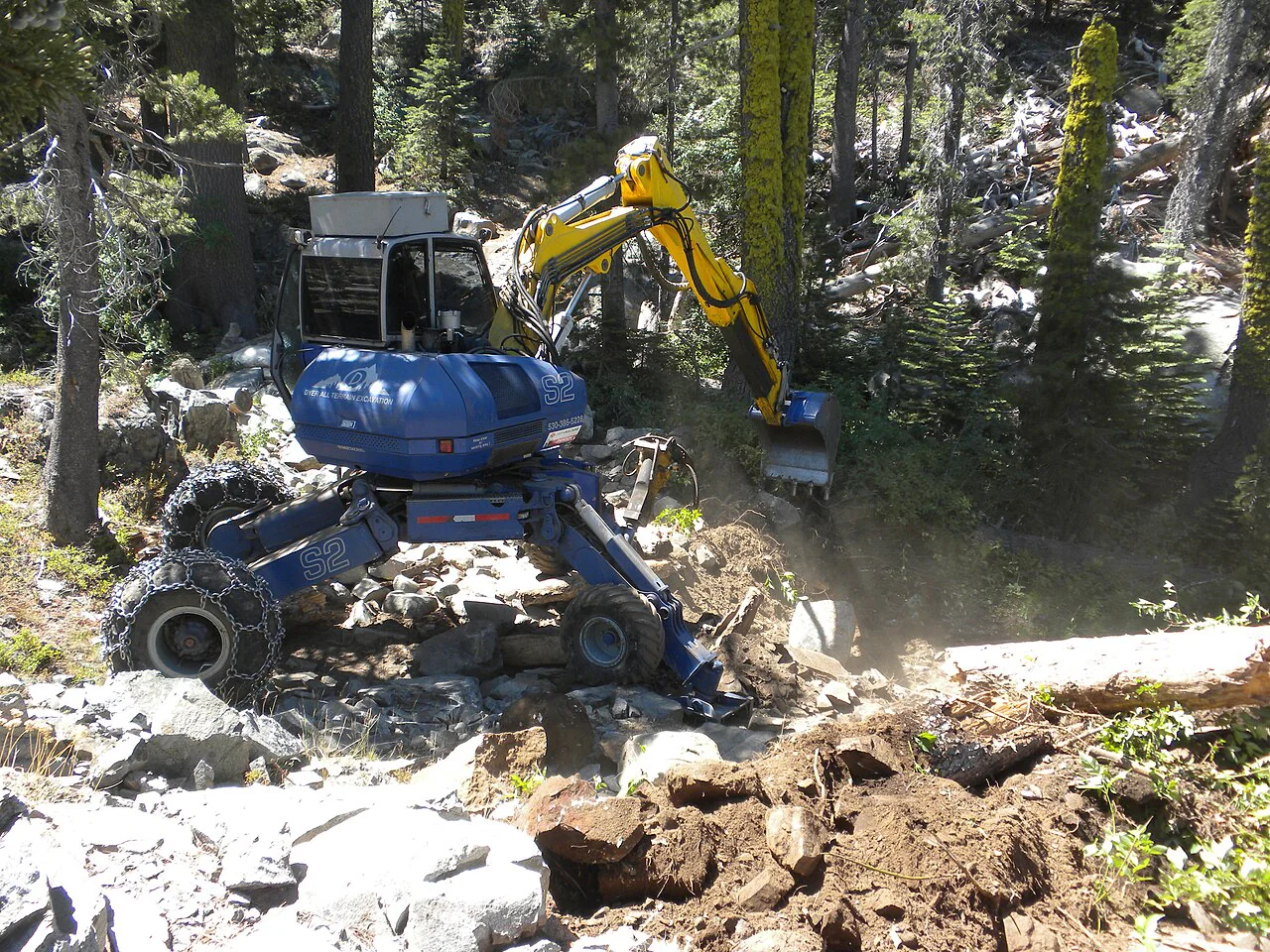
A project that replants a wetland to recover a defined habitat is usually described as restoration; one that makes room for natural processes to reshape a landscape may be called rewilding. The terms overlap, and neither label tells you by itself whether a project is working. To compare them, ask what condition or process the project aims for, how actively people will manage it, and how results will be judged.
Restoration starts with a reference goal
Restoration generally means helping a damaged or altered ecosystem recover. A project may identify a habitat, ecological function or reference condition it wants to improve, then take actions such as replanting suitable vegetation or repairing a disruption. People may monitor the site and intervene again if the intended outcome is not developing. The goal gives managers a way to decide whether progress is being made, though ecosystems rarely return to a perfect copy of an earlier state.
The National Park Service describes biodiversity as variety across ecosystems, species and genes [1]. Restoration may focus on a particular part of that variety, such as recovering a habitat or supporting species associated with it. A clearly stated target helps readers understand which ecological features the project prioritizes and what evidence could show change.
Rewilding gives processes more room
Rewilding typically emphasizes ecological processes and reduced intensive control. Depending on the setting, a project may allow vegetation to develop, reconnect habitat or make room for natural disturbance and movement. It can still involve planning, monitoring and intervention; the term does not require people to walk away from a site or ignore risk. Rather, it shifts emphasis toward enabling nature to shape outcomes.
The two approaches can overlap. A restoration project may use natural regeneration as part of its method, while a rewilding effort may plant or repair habitat at the beginning. The practical difference is often one of emphasis: a defined target condition and active management point toward restoration, while greater reliance on ecological processes points toward rewilding. A project can use both, and its own goals are more informative than the label alone.
An example: a degraded stream edge
Imagine a stream edge with compacted bare soil and little plant cover. A restoration plan might specify a target of re-establishing appropriate vegetation along the bank, then plant suitable species and check whether they establish. A rewilding plan might remove a constraint that prevents the stream and its adjacent habitat from functioning more naturally, while allowing vegetation and other features to change. Both could include planting, monitoring or limited maintenance; what differs is the intended role of ongoing human control.
This example is hypothetical, and the right method depends on the site. A stream is not a blank canvas: neighboring land use, water conditions and local species matter. A project that promises a particular outcome should explain what it will measure and what it will do if the site does not respond as expected. Without that information, the words “restoration” and “rewilding” are too broad to support a practical comparison.
Judge the plan by its choices
Ask what ecological problem the work addresses, what conditions it hopes to change, who chose the target and how progress will be assessed. Find out whether managers will intervene to control vegetation, maintain access or protect sensitive areas, and whether those choices are expected to change over time. These questions reveal more than asking whether a project uses one label or the other.
Also ask how the plan handles species that may spread beyond the intended area. The National Invasive Species Information Center defines invasive species by both non-native status and actual or likely harm, rather than non-native status alone [2]. That distinction can matter under either approach: management decisions should respond to ecological context and evidence of harm, not assume that every introduced species has the same effect.
Which approach fits a particular place?
Choose restoration when the need is to recover a specified feature or function and active steps are required to move the site toward it. Choose a rewilding approach when reducing control and supporting ecological processes are central to the goal, and the site can accommodate resulting change. These are starting points, not strict categories. A project may combine them or shift its methods as conditions change.
For a home garden, the decision may be modest: restore a small patch of locally appropriate planting, or reduce routine maintenance in a section and see what establishes. For public land, the choice needs a clear plan for access, monitoring and responsibilities. Before supporting or copying a project, read its stated goals and measures; then judge whether its management choices match the place.
Follow the evidence
Primary sources used in this story. Practical examples are illustrative unless a source states otherwise.
- US National Park Service: What is biodiversity? ↗
- National Invasive Species Information Center: What are invasive species? ↗
Read our editorial standards. Have a correction? Identify the article and relevant source in your feedback to the site owner.