tree day
Guide
How outdoor lighting affects wildlife?
Outdoor light can change when and how animals move, feed, and interact, while also spilling into homes and neighboring habitat. Use lighting only where needed, direct it downward, and switch it off when the task is over.
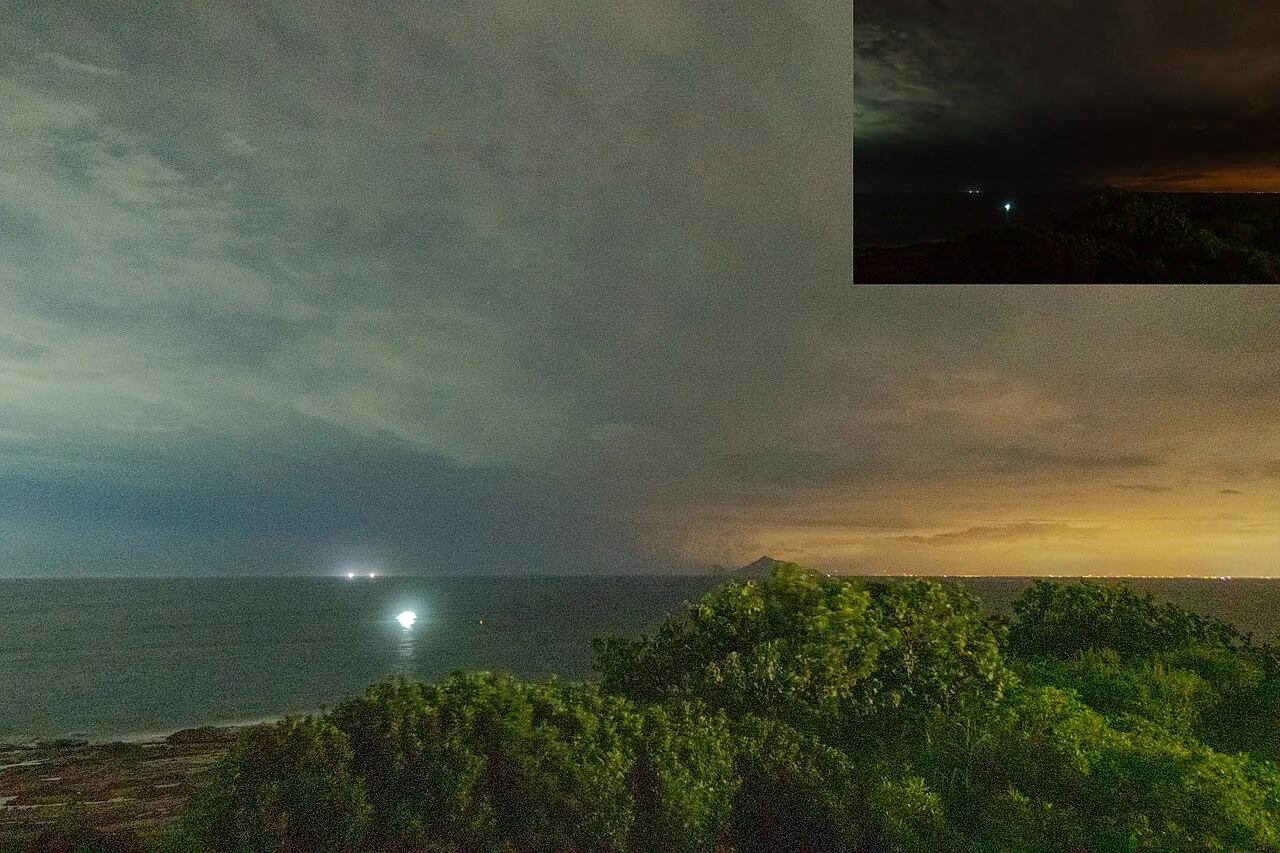
A porch light left on all night does more than illuminate a doorstep: it extends artificial brightness into a period when many animals rely on darkness. The effects vary by species and setting, so one universal rule cannot describe every yard. A practical starting point is to ask what the light is for, where it falls, and whether the same task can be done with less spill and less time illuminated.
Darkness is part of habitat
Wildlife does not experience a garden as plants and food alone. The timing of light and dark can shape when animals move, forage, rest, or avoid predators. Artificial illumination may draw some insects toward a lamp while changing the behavior of other species nearby. The result depends on the animal, the brightness, color, placement, duration, and surrounding landscape.
The references do not document specific lighting effects or prescribe lighting standards, so treat the practical points here as general reasoning rather than a sourced species-specific claim. Biodiversity includes variety at ecosystem, species, and genetic levels. [1] A useful habitat assessment therefore considers conditions such as nighttime darkness alongside vegetation and water.
Use the light for a defined task
Walk the property after dark and identify which lights serve a real task: a doorway, steps, a work area, or a route used at a particular time. Lights that illuminate empty lawns or remain on after everyone has gone inside may be candidates for a timer, motion sensor, or manual switch. Sensors can reduce duration, but adjust them so they do not trigger constantly from branches, passing traffic, or small animals.
For example, a household that needs to unlock a side door after work could use a shielded fixture aimed at the lock and a short activation period. That is more contained than lighting an entire garden throughout the night. The aim is sufficient visibility for the task, not complete darkness at every point or bright illumination across the whole property.
Control spill before changing color
Aim fixtures downward and use shielding to keep light on the path or surface where it is needed. Check from the garden boundary and from a neighboring window: a fixture that appears modest beside the door may spill broadly across nearby trees. Lowering brightness or moving the fixture can solve more than changing the bulb alone.
Color matters, but avoid treating a particular bulb color as a complete wildlife solution. Effects vary among species and contexts, and the references do not establish a universally safe color. Choose a warm, low-intensity option if it meets the task, then still control direction and operating time. A motion sensor on an unshielded floodlight can briefly create a large area of intense light every few minutes.
Balance safety and habitat
Some entrances, stairs, and work areas need dependable illumination. A dark route can create a human safety problem, and residents should not remove useful lighting without considering how the space is used. Instead, separate task lighting from decorative lighting, light the walking surface rather than faces or tree canopies, and keep controls accessible to the people who need them.
A common mistake is adding a brighter fixture to solve a patch of shadow without checking whether the fixture is poorly placed. First move or shield the existing light, then reassess. If a sensor activates too often, adjust its range and angle or use a switch or timer. These steps preserve visibility at the right moment while reducing unnecessary hours of illumination.
Make one change and observe
Start with the light that operates longest or spills furthest. Record when it is on for a few nights, then try a shield, lower setting, or shorter operating period. Notice whether the walking route remains usable and whether the change reduces light reaching vegetation or neighboring spaces. The observation helps separate a real need from a habit of leaving everything on.
The National Park Service describes biodiversity as including life across ecosystems, from visible animals to less familiar organisms. [1] That is a reason to consider the whole outdoor environment when planning lighting, not proof of a particular fixture’s measured effect. Your next choice is to adjust the most excessive light and keep it only as bright and long-lasting as the task requires.
Follow the evidence
Primary sources used in this story. Practical examples are illustrative unless a source states otherwise.
Read our editorial standards. Have a correction? Identify the article and relevant source in your feedback to the site owner.