tree day
Guide
How to help pollinators at home?
A pollinator-friendly home begins with locally suitable flowers and usable habitat, then improves through observation. A small, well-matched patch can help without requiring a complete garden redesign.
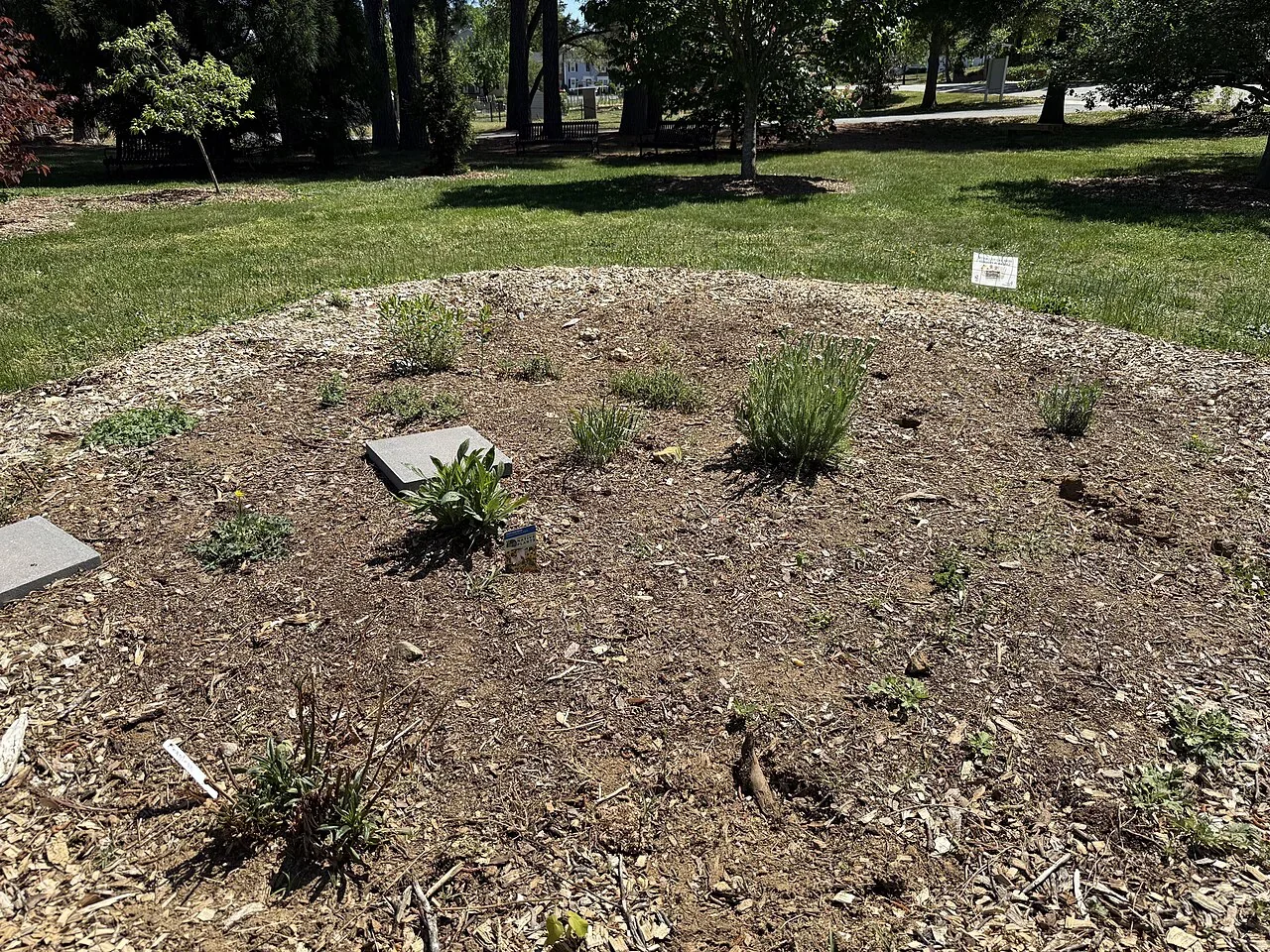
To help pollinators at home, make at least one part of the property useful to them: plant flowers suited to your region and site, and consider where insects can shelter or nest. The U.S. Fish and Wildlife Service specifically points to building a native pollinator garden as one way people can contribute. [2] The best first step is a manageable patch chosen for your conditions, not a shopping list of unfamiliar plants.
Choose plants for your place
Start with your region and the conditions of the planting spot. Note how much direct sun it gets, whether water drains quickly or remains after rain, and what soil you have. Then consult regional native plant guidance for species suited to that combination. “Native” depends on location: a plant can be native in one part of a state and a poor ecological match elsewhere.
A native plant garden is one action the Fish and Wildlife Service identifies for pollinator conservation. [2] The National Park Service’s description of biodiversity includes variety across species and ecosystems. [1] Applied to a yard, that suggests choosing a mix rather than relying on one flowering species. Different flower shapes and bloom periods may make the patch useful to a wider range of visitors, though local species’ needs should guide the details.
Make a small patch work harder
A concrete first project could be a sunny strip beside a path, a container group on a balcony or a section of lawn converted into planting. Imagine a hypothetical 1.5-metre bed: before buying anything, map its sun and drainage, then choose several locally appropriate species with different expected flowering periods. Check mature widths so plants can grow without crowding the path. The dimensions are only an example; use the space you actually have.
If you have little ground, containers can offer flowers, but they dry differently from garden soil and may need more frequent attention. If you have a larger yard, a connected patch can provide more continuity than isolated single pots. Neither option is universally best. The fit depends on your time, climate, water access and what local pollinators use.
Leave some habitat beyond flowers
Flowers provide food, but a garden can also offer shelter and nesting opportunities. Keep some areas less intensively managed if they are safe and appropriate: a patch of bare, undisturbed ground may matter to ground-nesting insects, while stems or leaf litter can provide shelter for other organisms. Local guidance can help distinguish useful habitat from a place where pests, fire risk or building maintenance are concerns.
Avoid assuming that tidy landscaping is the only standard for a healthy yard. You can keep paths, play areas and building edges neat while allowing a defined patch to be more natural. A clear border or small sign can make the intent legible to neighbors. Keep plant material away from drains and walkways, and do not let a habitat feature create a practical hazard.
Reduce avoidable disturbance
If you use pesticides or other garden chemicals, read the product label and local guidance carefully, and consider whether the treatment is necessary. This article’s supplied sources do not provide product-specific safety rules, so the label and official local advice should govern any use. Avoid spraying flowers while pollinators are visiting, and do not assume a product is harmless merely because it is marketed for gardens.
Also check the local status of plants before purchasing them. Ornamental plants can escape cultivation, and invasive species can harm native communities. [3] A flowering plant is not automatically a good wildlife choice if it creates a local ecological problem. When in doubt, ask a regional native plant group or extension service for a suitable alternative.
Observe, then adjust
A common mistake is to expect immediate, uniform results. Visitors vary with weather, season and what is blooming nearby. Watch the patch at different times over several weeks and note which flowers attract visits. Those observations can help you add or replace plants, but a quiet period does not prove the garden failed.
The Fish and Wildlife Service says any conservation action can help and describes habitat restoration and pollinator science as priorities. [2] A home planting is one contribution within a broader effort. Start with a small area you can maintain, keep a simple seasonal note of what blooms and what visits, and use local advice to guide your next addition.
Follow the evidence
Primary sources used in this story. Practical examples are illustrative unless a source states otherwise.
- US National Park Service: What is biodiversity? ↗
- US Fish and Wildlife Service: Pollinators ↗
- National Invasive Species Information Center: What are invasive species? ↗
Read our editorial standards. Have a correction? Identify the article and relevant source in your feedback to the site owner.