tree day
Guide
What is rewilding?
Rewilding is an approach to nature recovery that gives ecological processes more room to operate, often by reducing intensive management and allowing habitats to change. Learn what that can mean on a real site and how to assess its limits.
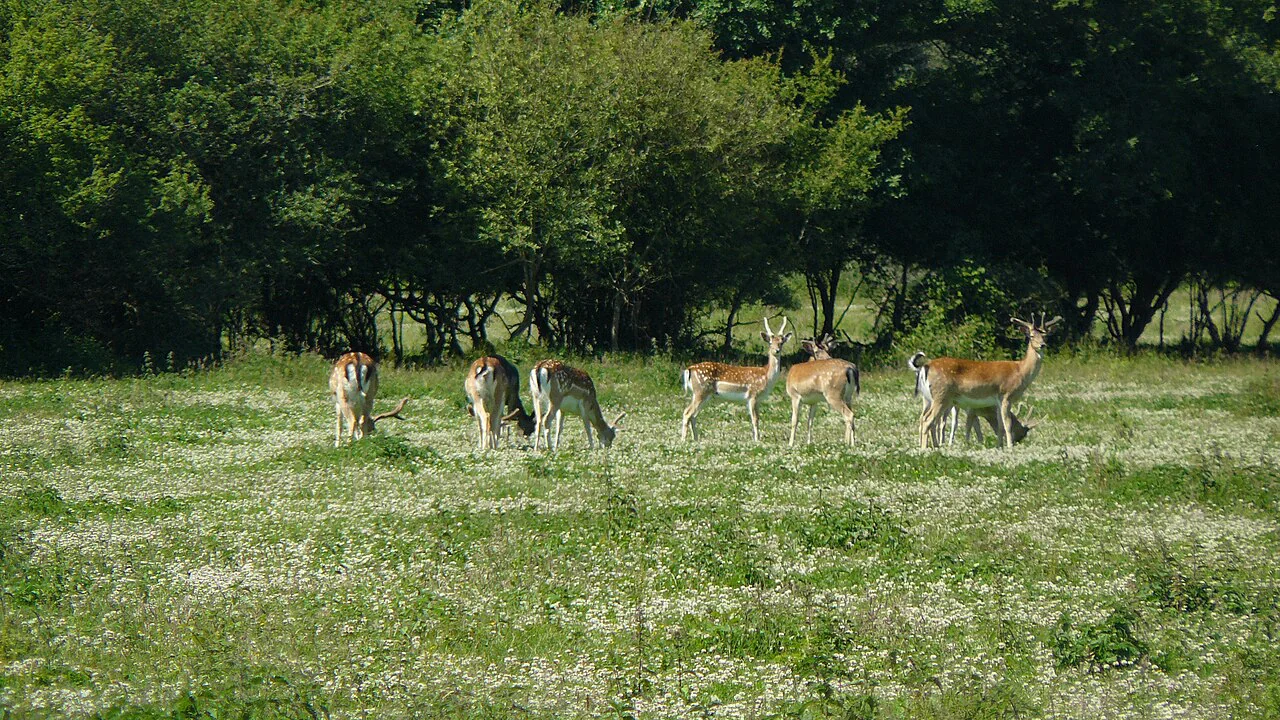
Rewilding means making room for ecological processes to shape a place, often by reducing intensive human management and allowing habitats to develop with less intervention. It can involve a large landscape or a small patch of land, but it does not mean simply abandoning every site. What is appropriate depends on the place, the species and the people who depend on or use it.
A process, not a finished look
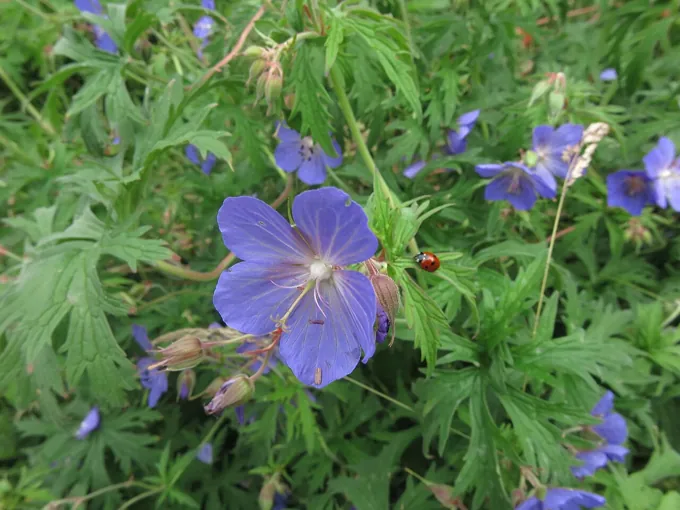
A closely mown lawn looks controlled; a patch with native flowers, seed heads, insects and changing vegetation looks less tidy. That visual difference can suggest rewilding, but appearance alone does not establish what is happening ecologically. A rewilding effort might change how often a site is cut, reconnect habitat, restore a natural process or remove a barrier that limits wildlife. The aim is to let nature shape outcomes more fully, while recognizing that people still make choices about land.
Biodiversity means variety at several levels, from ecosystems to species and genes, according to the National Park Service [1]. That helps clarify why rewilding cannot be judged only by whether a few charismatic animals appear. A project might aim to support habitat variety or ecological relationships, and its results may take time or look different from one site to another.
What it can look like at home
Suppose a homeowner has a sunny lawn edge that is difficult to mow. They could leave a section unmown for part of the growing season, observe which plants emerge, and decide whether to add locally appropriate flowering plants or maintain a path through the area. The change gives insects and plants more opportunity to use the space while keeping the yard accessible. It is a small management choice, not a claim that the yard has become self-sustaining wilderness.
The U.S. Fish and Wildlife Service encourages actions such as establishing native pollinator gardens and identifies habitat restoration among its pollinator efforts [2]. A garden designed to provide useful plants and shelter may share some aims with rewilding, though planting a garden is not automatically a rewilding project. The distinction is whether the approach allows ecological processes and relationships to develop, alongside deliberate human choices.
Less intervention still needs judgment
Leaving land alone can be a poor fit when a site has specific conservation goals, public access needs, safety concerns or species that require active care. It can also allow an unwanted plant to spread if it is invasive in that ecosystem. The National Invasive Species Information Center defines invasive species as non-native organisms whose introduction causes or is likely to cause harm; it also cautions that non-native and invasive are not interchangeable terms [3]. That distinction matters: a plant’s origin alone does not show that it is causing harm, and local guidance is needed before deciding what to remove.
A common mistake is to assume that any reduction in mowing or maintenance is beneficial everywhere. A neglected patch may not develop the desired habitat, and people may reasonably need paths, sightlines or access. The practical question is what change fits the site and whether it can be maintained. If the land is shared or publicly managed, discuss goals and responsibilities with the people who manage it before altering vegetation.
Notice change without promising a result
A simple record can help you learn whether a less-managed area is changing. At regular intervals, note flowering plants, insect visits, bare ground, shade and signs of disturbance from the same few viewpoints. These observations do not prove a trend on their own, but they can show what is appearing and what may need attention. Avoid declaring success because one species arrives or failure because the site looks untidy.
If a change is not producing the result you expected, consider whether the site has enough appropriate habitat, whether the management approach fits local conditions and whether invasive species or other pressures are affecting it. Rewilding is a decision to make more room for ecological processes, not a promise that those processes will repair every problem without help.
Choose a manageable next step
For a yard, choose one area where a change is practical and does not conflict with access or safety. Find out which plants are appropriate for your locality, decide how the area will be edged or maintained, and observe what uses it. For a larger site, clarify the goals and who will monitor or manage it. The same idea can guide both scales, but the decisions are not identical.
Start with a specific, reversible change: reduce mowing in one section, preserve an existing patch of native vegetation or add locally appropriate habitat plants. Keep notes for a season and adjust based on what the site shows. That gives you evidence for the next choice without treating a label as a substitute for careful land management.
Follow the evidence
Primary sources used in this story. Practical examples are illustrative unless a source states otherwise.
- US National Park Service: What is biodiversity? ↗
- US Fish and Wildlife Service: Pollinators ↗
- National Invasive Species Information Center: What are invasive species? ↗
Read our editorial standards. Have a correction? Identify the article and relevant source in your feedback to the site owner.