An independent journal for a living planetMonday, 2 November 2026
tree day.

A greener world.
A life well lived.

IDEAS TO TAKE INTO EVERYDAY LIFE

The reading room

Explore practical guides on trees, climate, gardens, wildlife, water, food, homes and community life.

321 articles

Photo credits & licence

Water & oceans · Guide

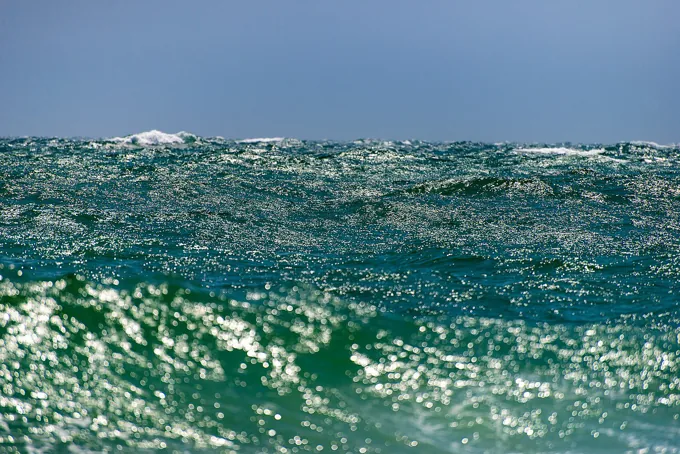
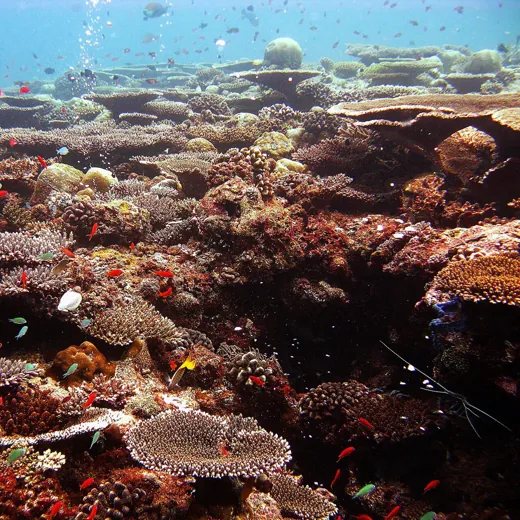
What is ocean acidification?

Ocean acidification is a change in seawater chemistry as the ocean absorbs carbon dioxide, making the water less alkaline. It can make shell and skeleton formation harder for some marine organisms, though effects differ by species and conditions.
· 3 min 10 sec read ↗

Photo credits & licence

Climate & change · Guide

What causes global warming?

Today’s global warming is caused mainly by human activities that increase heat-trapping greenhouse gases, especially fossil fuel burning. The greenhouse effect is natural; the problem is its human-driven strengthening.

· 3 min 41 sec read ↗

Photo credits & licence

Gardens & growing · Guide

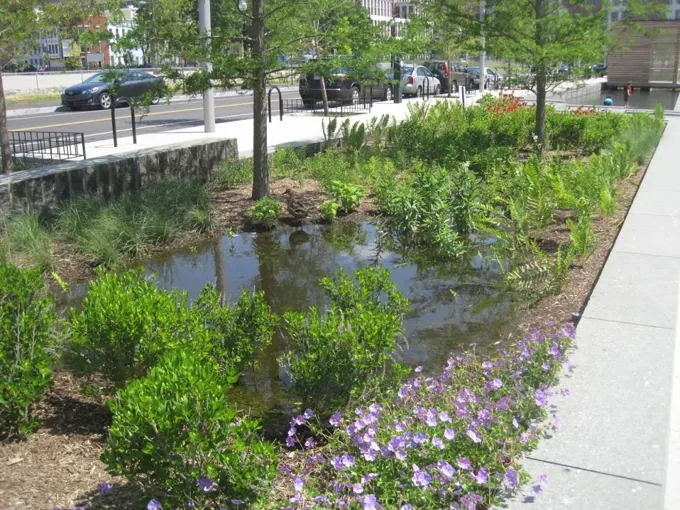
Rain garden plants?

Choose rain garden plants for the wet-to-dry conditions of the site, then arrange them by water depth and local suitability. A planting plan can absorb runoff while staying manageable through changing seasons.

· 3 min 12 sec read ↗

Photo credits & licence

Trees & forests · Guide

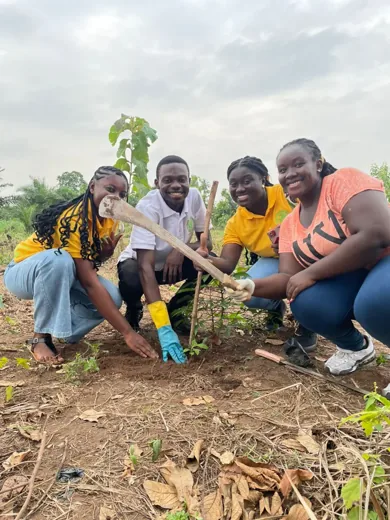
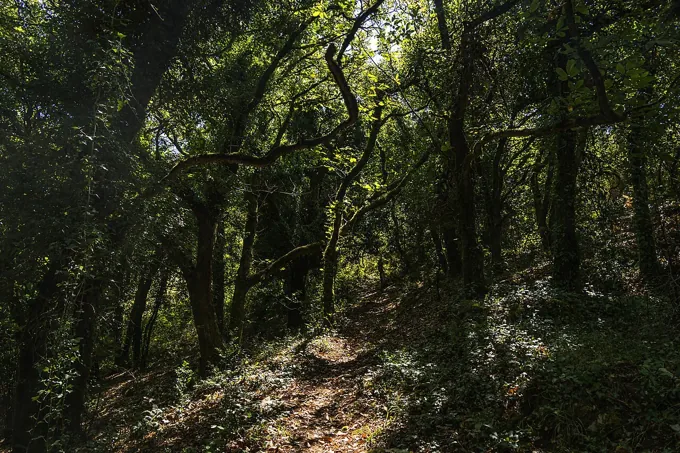
How to plant a tree?

A healthy planting starts with matching the tree to its site, preserving its roots and setting the trunk flare at ground level. Here is a practical sequence for choosing, planting and caring for a young tree.

· 3 min 21 sec read ↗

Photo credits & licence

Homes & energy · Guide

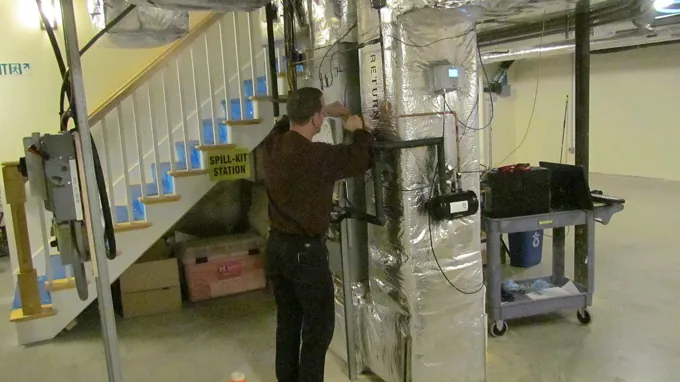
Heat pump vs furnace?

A heat pump moves heat and can often provide both heating and cooling, while a furnace makes heat by burning fuel or using electricity. Compare climate, existing equipment, energy sources and the full home system before replacing either.

· 3 min 10 sec read ↗

Photo credits & licence

Water & oceans · Guide

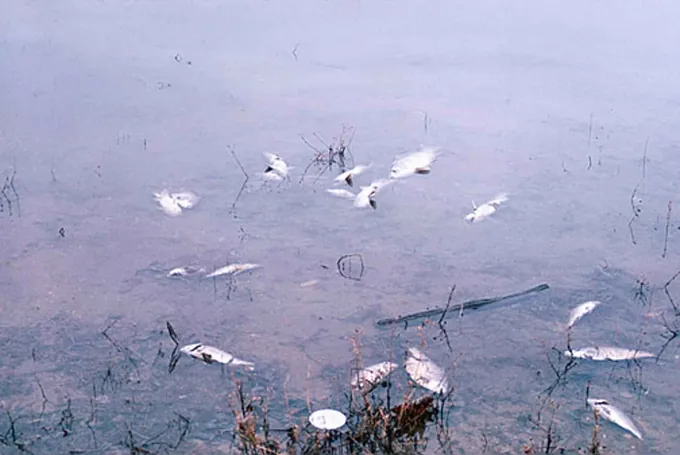
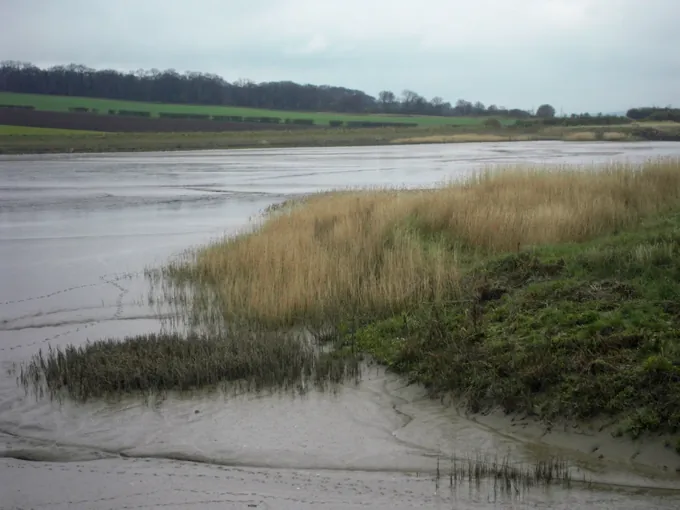
What is water pollution?

Water pollution occurs when substances or changes in conditions make water harmful or less suitable for people, wildlife or ecosystems. It can come from a visible discharge, diffuse runoff or heat, and the source often lies upstream.

· 3 min 38 sec read ↗

Photo credits & licence

Food & land · Guide

What is regenerative agriculture?

Regenerative agriculture is a broad approach to managing farms with the aim of rebuilding soil function and improving land over time. The term is not a single practice, so ask what a farm is doing and how it evaluates change.

· 3 min 45 sec read ↗

Photo credits & licence

Gardens & growing · Guide

How to start composting?

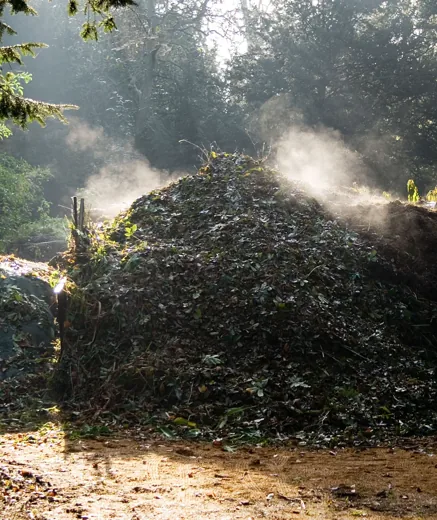
Start with a container or pile, a supply of dry leaves or other browns, and a small stream of suitable food scraps. Keep the mix airy and as damp as a wrung-out sponge, then adjust when it smells or dries out.

· 3 min 33 sec read ↗

Photo credits & licence

Climate & change · Guide

What is the Paris Agreement?

The Paris Agreement is an international climate agreement adopted in 2015, with a goal of limiting warming and a process for countries to set and strengthen national climate plans. Its targets depend on action and implementation.

· 2 min 56 sec read ↗

Photo credits & licence

Trees & forests · Guide

Why do leaves change color?

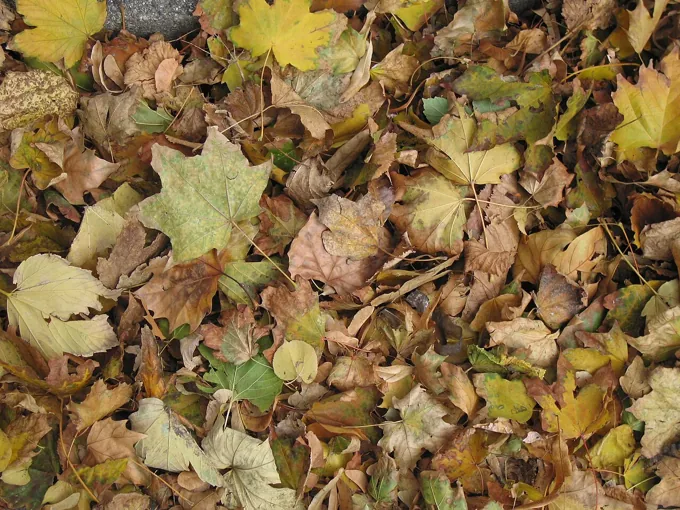
Leaves change color as seasonal conditions alter the pigments visible in them. Chlorophyll’s green fades as it breaks down, revealing other pigments; color and timing vary with species and local conditions.

· 2 min 59 sec read ↗

Photo credits & licence

Food & land · Guide

What is crop rotation?

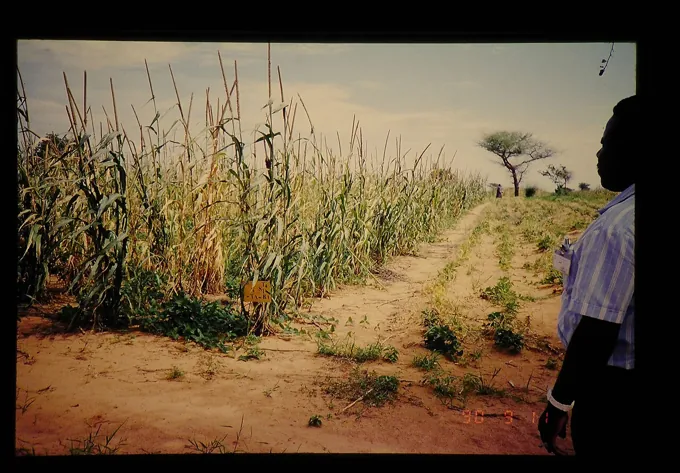
Crop rotation means growing different crops in a planned sequence on the same field over time. The sequence can help diversify farm management, but it must fit local soils, climate, markets and the crops being grown.

· 3 min 13 sec read ↗

Photo credits & licence

Wildlife & biodiversity · Guide

What is an ecosystem service?

An ecosystem service is a benefit people receive from ecological processes and living systems. The idea can clarify how nature supports daily life, while careful examples avoid pretending that every benefit is easy to price or replace.

· 3 min 18 sec read ↗

Photo credits & licence

Gardens & growing · Guide

What is a rain garden?

A rain garden is a planted, shallow landscape depression that receives runoff and lets it soak into the ground; learn how it works and what to check before siting one.

· 3 min 2 sec read ↗

Photo credits & licence

Seasons & outdoor life · Guide

Leave no trace principles?

Leave No Trace principles are practical habits for reducing harm to wildlife, plants, waterways and other visitors. Their value lies in applying them to the conditions of a particular place, from trail choice and waste to wildlife distance and group behavior.

· 3 min 4 sec read ↗

Photo credits & licence

Climate & change · Guide

Global warming vs climate change?

Global warming describes the long-term rise in Earth's average surface temperature; climate change includes that warming and broader shifts in weather patterns. Knowing the distinction helps make sense of evidence and avoid treating one cold day as a rebuttal.

· 2 min 54 sec read ↗

Photo credits & licence

Climate & change · Guide

What is an urban heat island?

An urban heat island is a built-up area that is warmer than surrounding less-developed areas, especially under certain weather conditions and at particular times. Learn what the term measures, why the pattern forms and how to interpret local temperature comparisons.

· 2 min 53 sec read ↗

Photo credits & licence

People & places · Guide

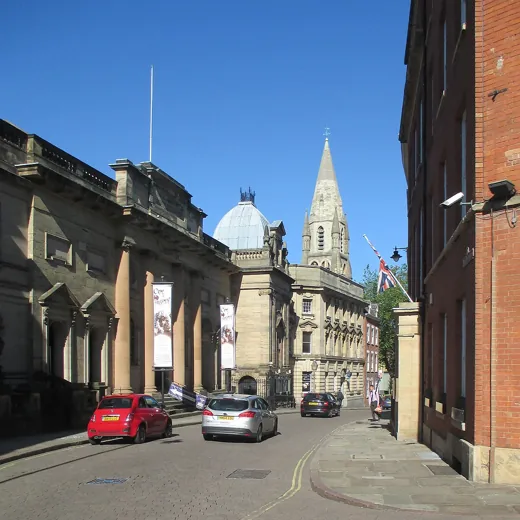
What is a 15 minute city?

A 15 minute city is a planning idea that brings everyday destinations closer to where people live, with walking, cycling and transit making those services reachable for more residents.

· 3 min 4 sec read ↗

Photo credits & licence

Water & oceans · Guide

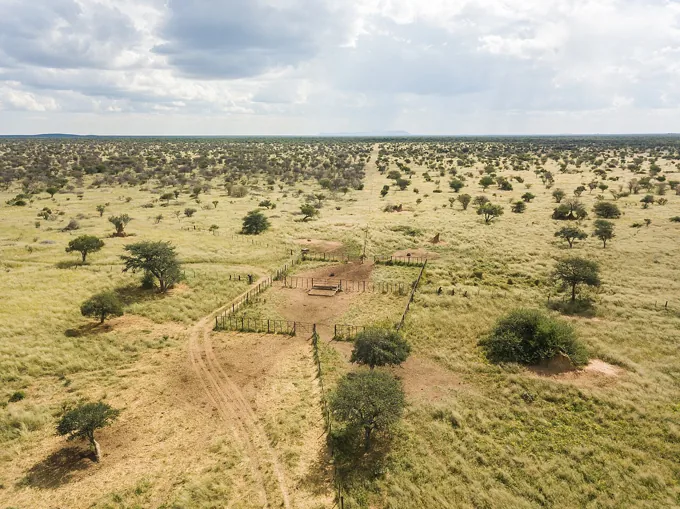
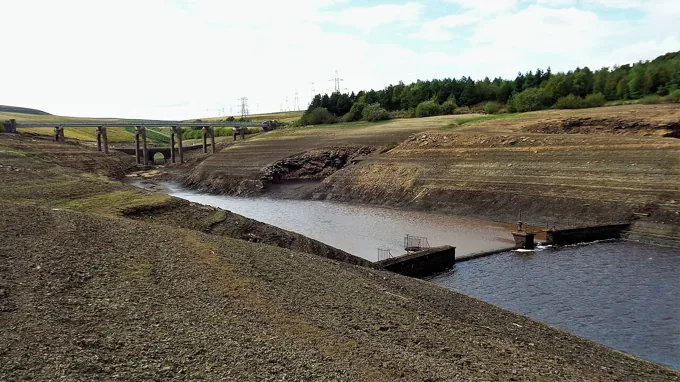
What causes drought?

Drought develops when water supply falls short of demand over time; precipitation, heat, soils, stored water, and timing all shape how it affects a place.

· 2 min 59 sec read ↗