An independent journal for a living planetMonday, 2 November 2026
tree day.

A greener world.
A life well lived.

IDEAS TO TAKE INTO EVERYDAY LIFE

The reading room

Explore practical guides on trees, climate, gardens, wildlife, water, food, homes and community life.

321 articles

Photo credits & licence

Wildlife & biodiversity · Guide

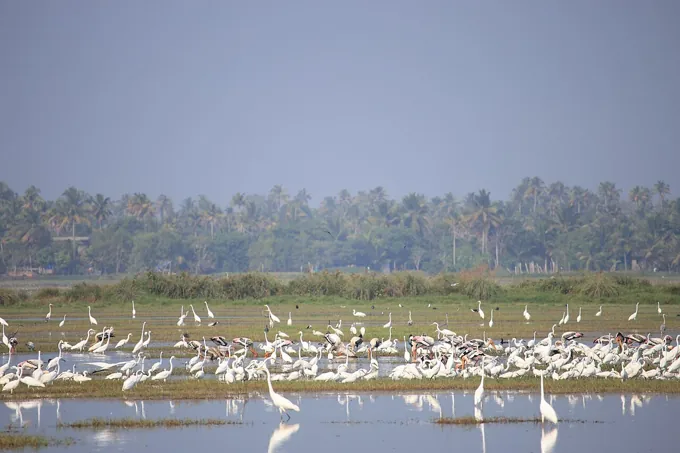
Food chains vs food webs?

A food chain follows one path of energy transfer between organisms, while a food web maps many connected feeding relationships. Use a chain to explain a simple route and a web to see the alternatives and dependencies around it.
· 3 min 12 sec read ↗

Photo credits & licence

Water & oceans · Guide

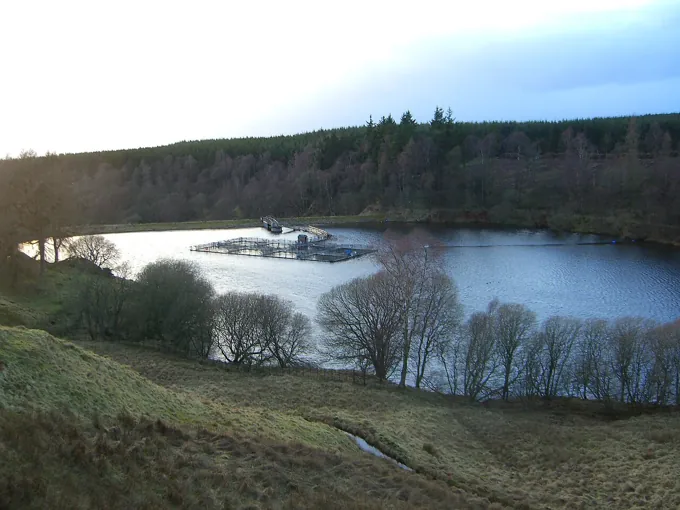
Why are wetlands important?

Wetlands support wildlife, store floodwater, help improve water quality and provide natural products and places for recreation. Their benefits depend on local conditions and on connections to the surrounding watershed.

· 3 min 20 sec read ↗

Photo credits & licence

Climate & change · Guide

What is carbon sequestration?

Carbon sequestration is the capture and storage of carbon, including carbon dioxide removed from the atmosphere or kept from entering it. This guide explains the main distinction, why storage duration matters and what to look for in a sequestration claim.

· 3 min 7 sec read ↗

Photo credits & licence

Gardens & growing · Guide

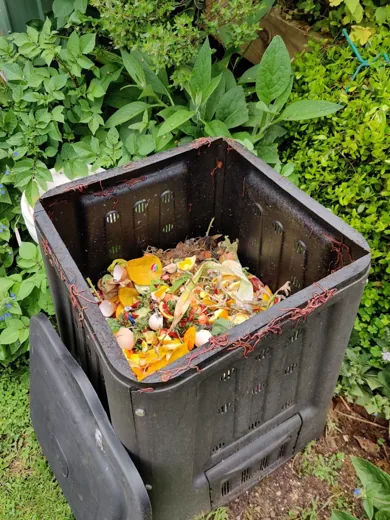
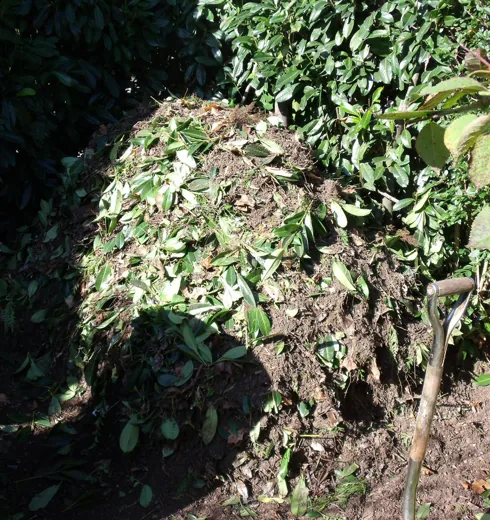
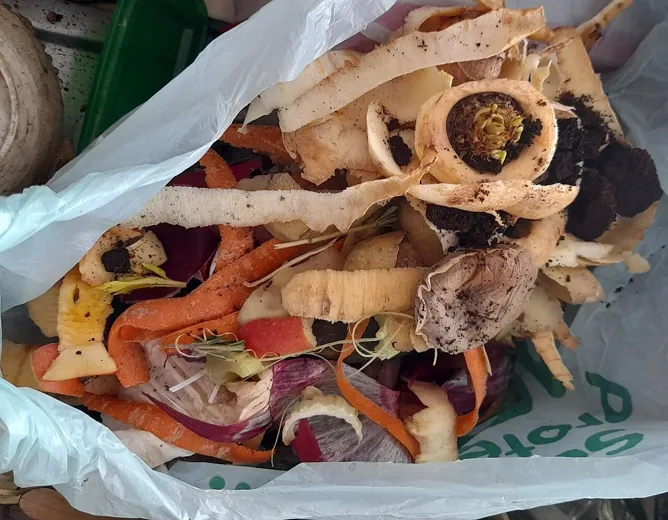
What can you compost?

For a typical backyard pile, fruit and vegetable scraps, coffee grounds, leaves and untreated plant material are useful ingredients. Some items accepted by commercial facilities should stay out of home piles, so check local collection rules.

· 3 min 7 sec read ↗

Photo credits & licence

Waste & circular living · Guide

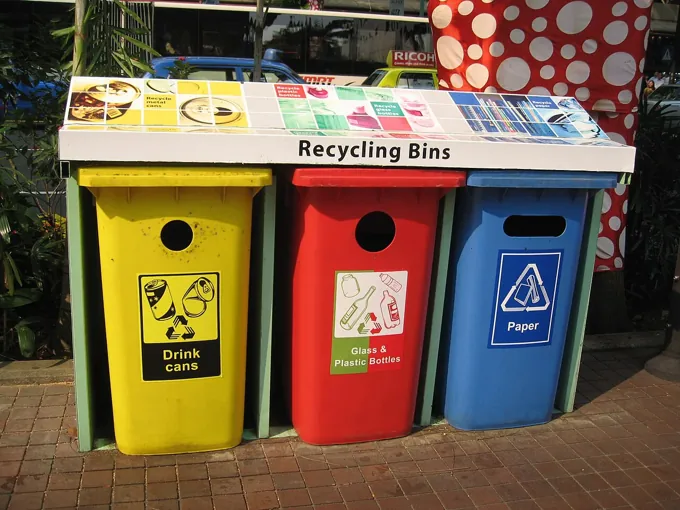
What can be recycled?

Paper, cardboard, metal cans, glass containers, and some plastic containers are commonly recyclable, but acceptance depends on the local program. Batteries, electronics, food scraps, and hazardous products need different routes.

· 3 min 19 sec read ↗

Photo credits & licence

Trees & forests · Guide

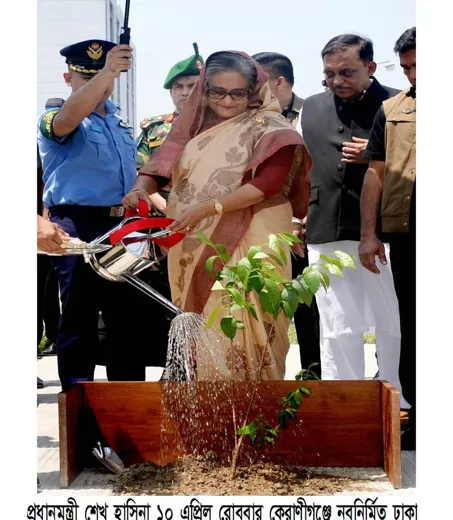
Best time to plant a tree?

For many trees, a cool dormant period gives roots time to settle before heat or active growth adds stress. The right window depends on local ground conditions, species, stock type and the care you can provide.

· 3 min 12 sec read ↗

Photo credits & licence

Trees & forests · Guide

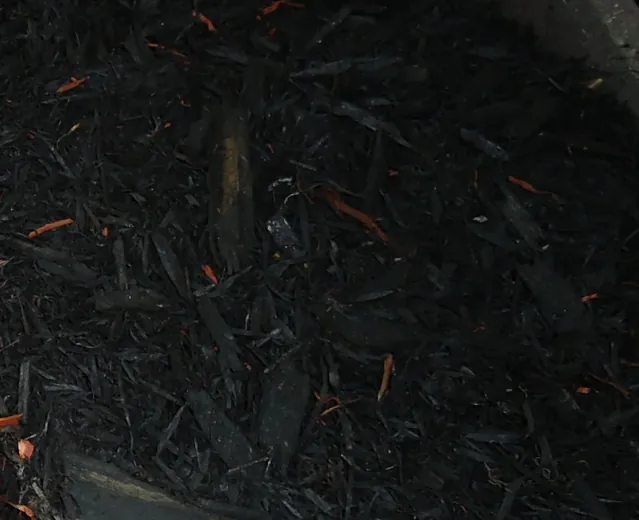
Mulch around trees?

A shallow, broad mulch layer can buffer soil temperature, conserve moisture and reduce grass competition. Keep it away from the trunk and flare, where piled mulch can trap moisture and contribute to damage.

· 2 min 49 sec read ↗

Photo credits & licence

Waste & circular living · Guide

How to recycle batteries?

Battery disposal depends on chemistry and size, and many types should stay out of both household trash and recycling carts. Identify the battery, protect it from damage and use a dedicated collection point or local hazardous-waste guidance.

· 3 min 18 sec read ↗

Photo credits & licence

Trees & forests · Guide

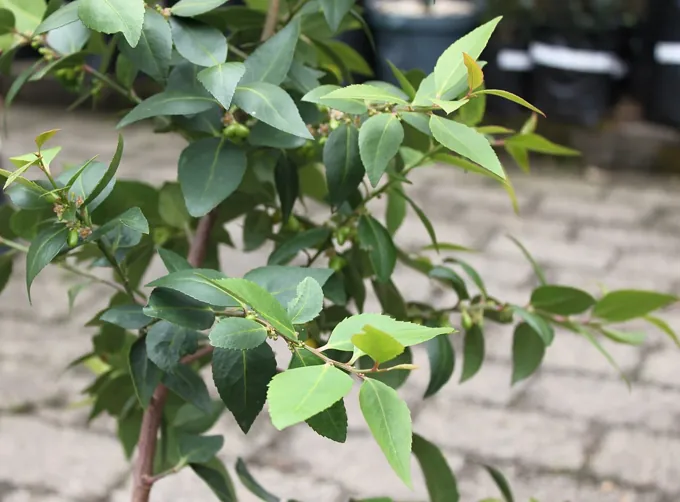
How to identify a tree?

Identify a tree by combining several features, especially leaves, arrangement, bark, fruit and overall form. Record what you can observe across seasons, and use a regional guide to narrow the possibilities.

· 3 min 12 sec read ↗

Photo credits & licence

Gardens & growing · Guide

How long does compost take?

A well-maintained backyard pile may finish in about three to five months, while an untended pile may take a year. Materials, moisture, airflow and turning affect the pace, so look for finished texture as well as elapsed time.

· 3 min 13 sec read ↗

Photo credits & licence

Seasons & outdoor life · Guide

Why do seasons change?

Earth’s tilted axis changes the angle and duration of sunlight reaching each hemisphere through the year, producing seasonal patterns rather than a simple distance-from-the-Sun effect.

· 3 min 29 sec read ↗

Photo credits & licence

Wildlife & biodiversity · Guide

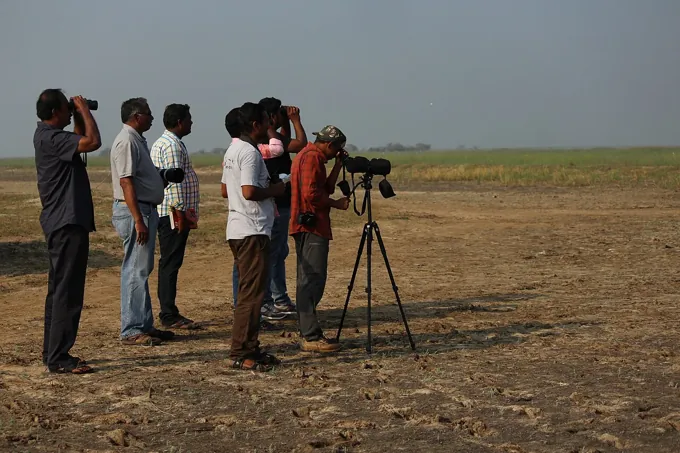
What is citizen science?

Citizen science is research that involves members of the public in activities such as observing nature and recording data. Here’s how participation can contribute useful evidence, what it cannot establish alone and how to choose a project that fits.

· 3 min 36 sec read ↗

Photo credits & licence

Waste & circular living · Guide

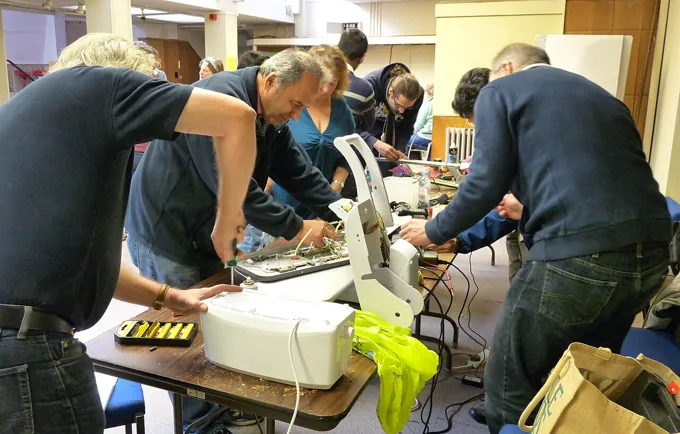
What is a circular economy?

A circular economy aims to keep products and materials useful for longer through prevention, repair, reuse, and recovery. Here is what that means in ordinary household choices and where the idea has limits.

· 4 min 5 sec read ↗

Photo credits & licence

Water & oceans · Guide

Where does drinking water come from?

Drinking water can begin as surface water, groundwater or another local source, then move through infrastructure and treatment before reaching a tap. The exact route depends on the community and its water system.

· 3 min 2 sec read ↗

Photo credits & licence

Food & land · Guide

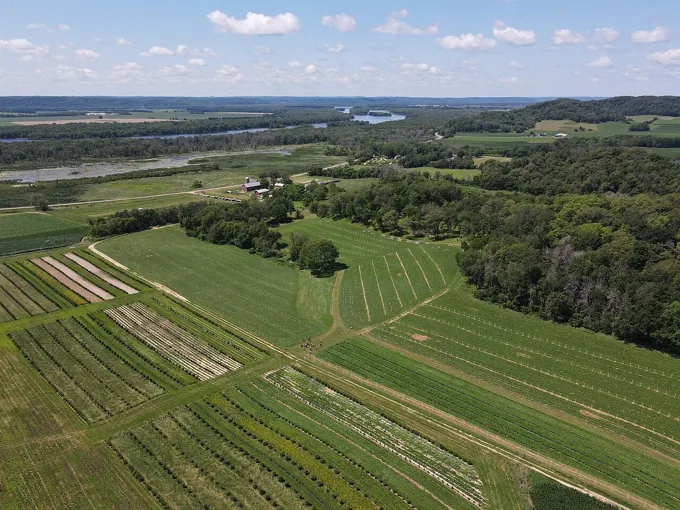
What is agroforestry?

Agroforestry combines trees or shrubs with crops or livestock on the same land. Its design depends on the site and the goals for production, so the presence of trees alone does not show how well a system works.

· 3 min 28 sec read ↗

Photo credits & licence

Wildlife & biodiversity · Guide

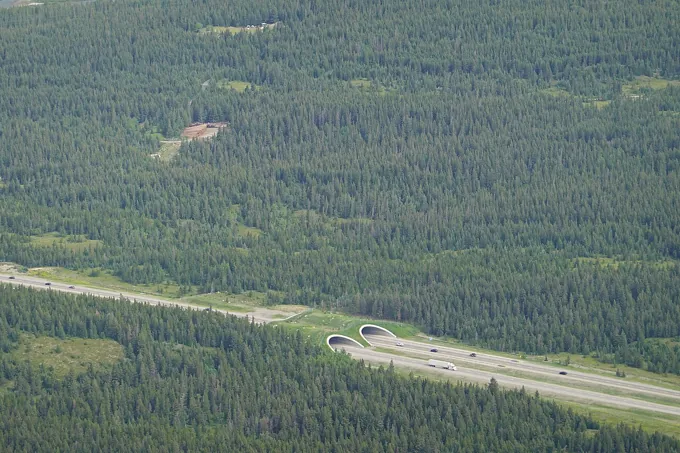
What is a wildlife corridor?

A wildlife corridor is a route or connected habitat that helps organisms move between areas they use. Whether a strip, crossing, or chain of habitat functions as a corridor depends on the species, landscape, and conditions along the route.

· 3 min 12 sec read ↗

Photo credits & licence

Climate & change · Guide

How to reduce your carbon footprint?

Reducing a carbon footprint starts with identifying major sources such as home energy, transport and consumption, then choosing changes that fit local options and daily needs. A focused plan beats an imprecise list of universal fixes.

· 3 min 29 sec read ↗

Photo credits & licence

Waste & circular living · Guide

How to reduce food waste?

Reduce food waste by buying for meals you expect to eat, keeping track of what needs using, and making leftovers easy to see and reuse. Small changes work best when they address the reason a particular food gets discarded.

· 3 min 32 sec read ↗