tree day
Guide
What is carbon sequestration?
Carbon sequestration is the capture and storage of carbon, including carbon dioxide removed from the atmosphere or kept from entering it. This guide explains the main distinction, why storage duration matters and what to look for in a sequestration claim.
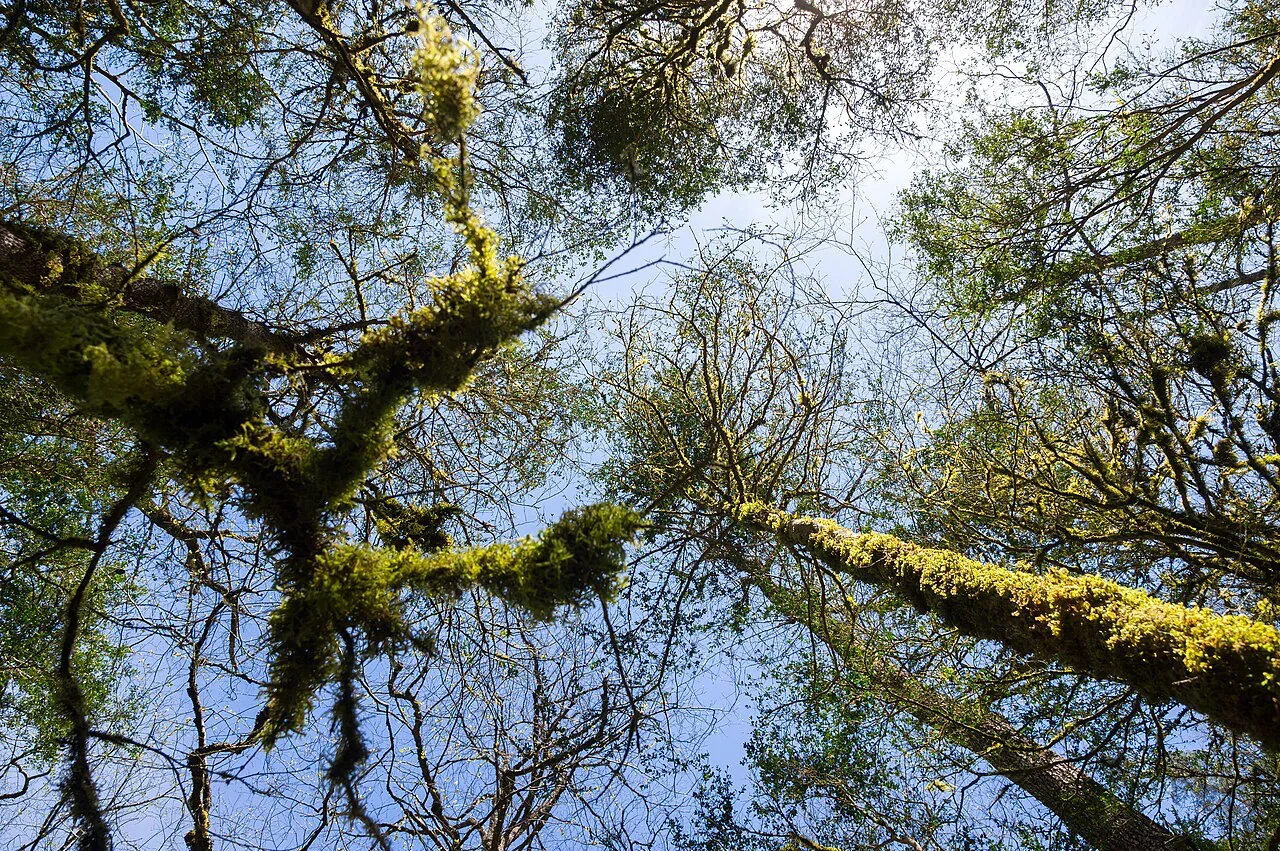
A tree takes in carbon dioxide as it grows, while a carbon-capture system may separate carbon dioxide from an industrial stream. Both can be discussed as carbon sequestration, but they work in different ways and store carbon under different conditions. The useful question is not simply whether carbon was captured; it is where it came from, where it goes and how long it stays there.
Capture is only half the story
Carbon sequestration means capturing carbon and storing it so it does not remain in the atmosphere as carbon dioxide. Plants and soils can store carbon through biological processes; engineered systems can capture carbon dioxide and place it in storage. The capture method is only part of the result. Storage and its durability determine whether the carbon stays out of the atmosphere.
Carbon dioxide is released through natural processes and human activities, including burning fossil fuels and deforestation. Human emissions have increased atmospheric greenhouse gas concentrations and are driving the warming trend observed since the mid-20th century. [1]
Biological storage depends on living systems
Plants draw carbon dioxide from the air and incorporate carbon into growth. Some carbon later enters soils through roots, leaves and other organic matter. This storage is connected to ecosystems that can change: vegetation may be cut, damaged by fire, or affected by drought and land-use decisions. A planted area is not automatically a permanent store.
A hypothetical community planting might therefore be valuable for shade and habitat even if its future carbon storage is uncertain. Its climate contribution depends on survival and long-term land stewardship, not simply the number of seedlings placed in the ground. Carbon accounting should not replace attention to the place’s ecological needs.
Engineered capture has a different pathway
Some systems capture carbon dioxide from industrial processes or directly from air. The gas then needs to be transported and stored or used in a way that keeps it from returning quickly to the atmosphere. A claim about capture at a facility does not by itself tell you what happened to the captured gas afterward.
For example, imagine a factory separates carbon dioxide from an exhaust stream but later uses it in a product that releases it during ordinary use. That capture may delay emissions, but it does not necessarily provide durable storage. A useful project description follows the carbon from capture through its final destination.
Durability changes the climate value
Carbon stored in a forest, soil or product may be vulnerable to reversal; underground storage may be designed for longer retention but requires monitoring and clear accounting. “Stored” is therefore not a complete description unless it says how long storage is expected to last and what safeguards address leakage or release.
The United Nations describes net zero as reducing emissions to a small residual amount and balancing those remaining emissions with carbon that can be absorbed and durably stored by nature or other removal measures. [2] That framing places durable storage after emissions cuts, not as a reason to continue avoidable emissions.
How to read a sequestration claim
Look for the source of the carbon, the amount captured, the destination, the expected storage period and how the result is monitored. If a claim uses trees, ask what land and time horizon it covers and how it handles loss. If it uses industrial capture, ask whether the carbon is stored or put to a use that returns it to the air.
For a personal decision, distinguish supporting healthy ecosystems from purchasing a verified carbon claim. Both may have value, but they answer different questions. If the purpose is a climate balance, ask for evidence on durable storage; if the purpose is local nature, choose actions suited to the land and its long-term care.
Follow the evidence
Primary sources used in this story. Practical examples are illustrative unless a source states otherwise.
Read our editorial standards. Have a correction? Identify the article and relevant source in your feedback to the site owner.