An independent journal for a living planetMonday, 2 November 2026
tree day.

A greener world.
A life well lived.

IDEAS TO TAKE INTO EVERYDAY LIFE

The reading room

Explore practical guides on trees, climate, gardens, wildlife, water, food, homes and community life.

321 articles

Photo credits & licence

Climate & change · Guide

What is climate change?

Climate change is a long-term shift in average weather patterns, from local rainfall and temperature to global conditions. Today’s warming trend is driven mainly by human greenhouse gas emissions, though natural influences also affect climate.

· 3 min 51 sec read ↗

Photo credits & licence

Wildlife & biodiversity · Guide

What is biodiversity?

Biodiversity is the variety of life, from genes and species to ecosystems, including organisms that are small, uncommon or easy to overlook. Thinking across these levels helps explain why a habitat’s condition cannot be judged by counting only familiar plants and animals.

· 3 min 20 sec read ↗

Photo credits & licence

Water & oceans · Guide

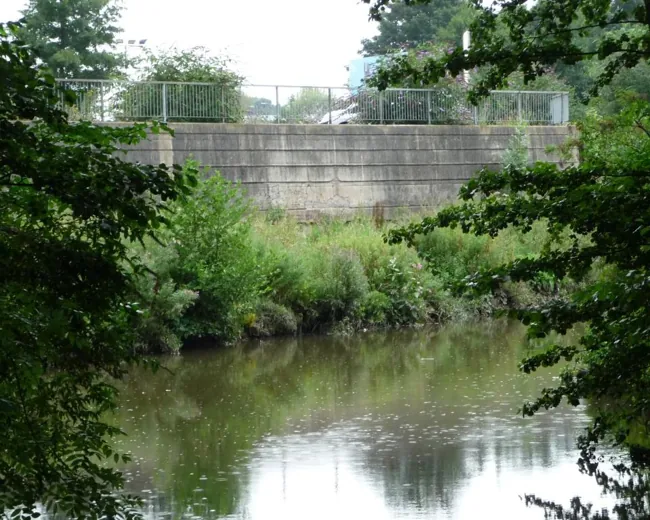
What is a watershed?

A watershed is the land area that drains water toward a shared outlet. Learn how slopes, streams, groundwater and human-built surfaces shape its boundaries—and how to recognize the one you live in.

· 3 min 34 sec read ↗

Photo credits & licence

Wildlife & biodiversity · Guide

What is an ecosystem?

An ecosystem is a community of organisms interacting with one another and with the physical conditions around them. Thinking in terms of relationships, flows, and boundaries makes the concept useful in a yard, pond, forest, or city block.

· 3 min 9 sec read ↗

Photo credits & licence

Climate & change · Guide

What is the greenhouse effect?

The greenhouse effect is the natural process that keeps Earth warm enough for life. Learn how gases slow heat loss, why human activity is strengthening the effect, and how it differs from weather or the ozone layer.

· 2 min 54 sec read ↗

Photo credits & licence

Wildlife & biodiversity · Guide

What is a keystone species?

A keystone species has an ecological influence that is especially large relative to its abundance. The label describes a species' role in a particular community, not a universal ranking of which organisms matter most.

· 3 min 5 sec read ↗

Photo credits & licence

Water & oceans · Guide

What is the water cycle?

The water cycle is water moving among the atmosphere, land, oceans and underground stores, changing form along the way. Sunlight and gravity drive its flows, while human activity can alter timing, storage and quality.

· 3 min 38 sec read ↗

Photo credits & licence

Climate & change · Guide

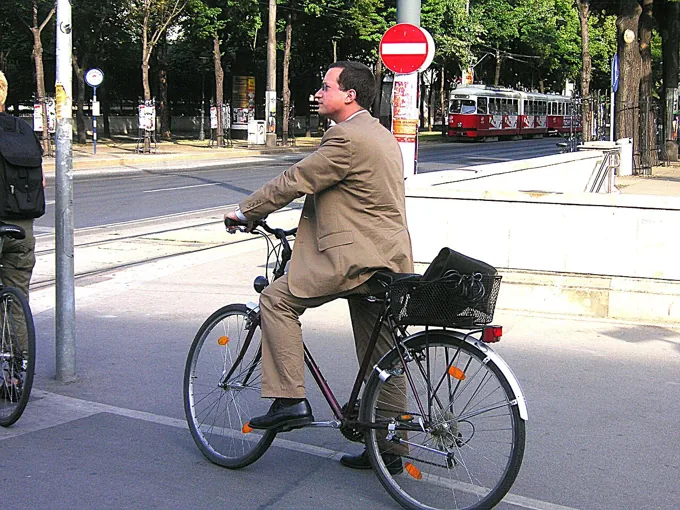
What is a carbon footprint?

A carbon footprint estimates greenhouse gas emissions linked to an activity, product, household or organization. Understand what it includes, why estimates vary and how to use one as a practical guide rather than a personal verdict.

· 3 min 27 sec read ↗

Photo credits & licence

Homes & energy · Guide

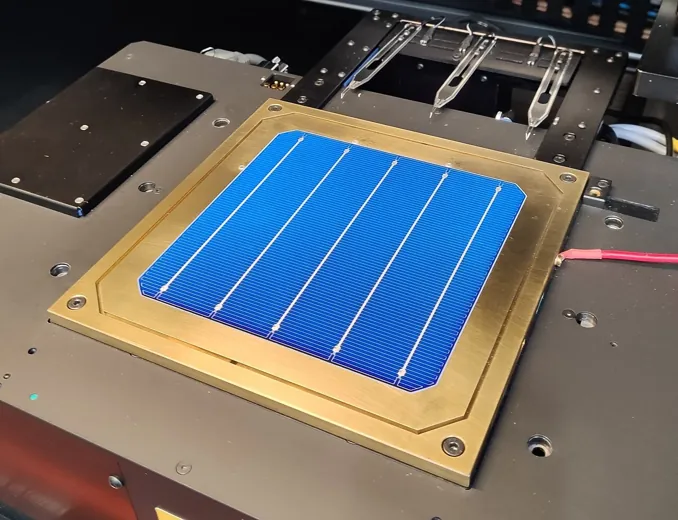
How do solar panels work?

Solar panels turn incoming light into electrical current through semiconductor cells. Follow the path from sunlight to usable household power and learn what the inverter, grid connection and shade change.

· 2 min 56 sec read ↗

Photo credits & licence

Homes & energy · Guide

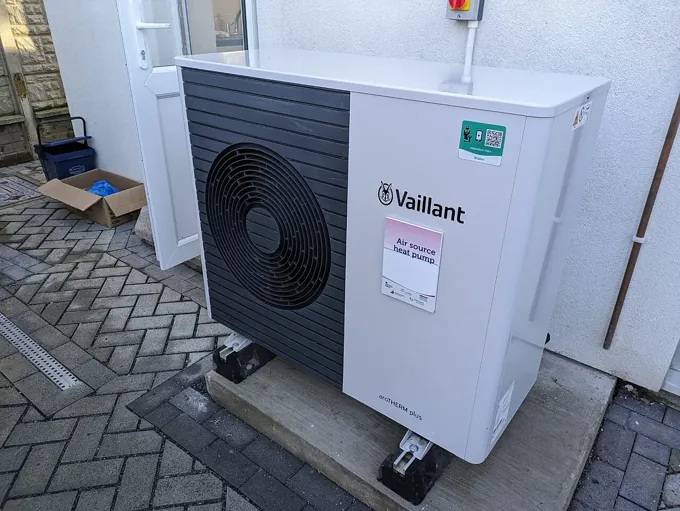
How does a heat pump work?

A heat pump moves heat instead of making it through combustion. Learn how its indoor and outdoor parts work, why insulation and system sizing matter, and what to ask before considering one for a home.

· 3 min 8 sec read ↗

Photo credits & licence

Seasons & outdoor life · Guide

El Nino vs La Nina?

El Niño and La Niña name opposite phases of a Pacific climate pattern, but the references do not document their mechanisms or effects. Here is how to separate that broad question from the seasonal cycle and a local forecast.

· 3 min 14 sec read ↗

Photo credits & licence

Wildlife & biodiversity · Guide

Why is biodiversity important?

Biodiversity matters because living systems connect species, habitats and ecological processes, while people rely on some of those relationships for food, livelihoods and well-being. Its value is practical and ecological, even when individual organisms are not immediately visible or useful to us.

· 3 min 21 sec read ↗

Photo credits & licence

Water & oceans · Guide

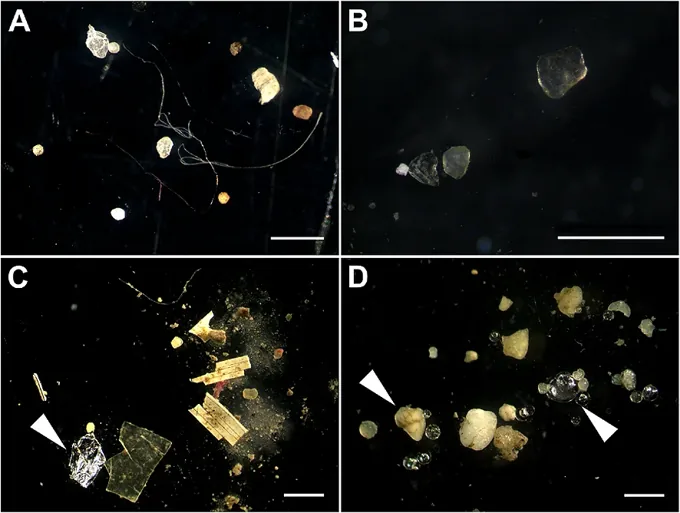
What are microplastics?

Microplastics are tiny plastic particles, often discussed as fragments, fibers or other small pieces. Their small size makes them easy to overlook, but it does not reveal where they came from or what exposure means in a particular setting.

· 3 min 23 sec read ↗

Photo credits & licence

Climate & change · Guide

Weather vs climate?

Weather describes short-term atmospheric conditions; climate describes the patterns and averages that emerge over decades. Keeping the timescales distinct helps explain why a cold day can occur during a warming trend.

· 3 min 41 sec read ↗

Photo credits & licence

Homes & energy · Guide

LED vs incandescent bulbs?

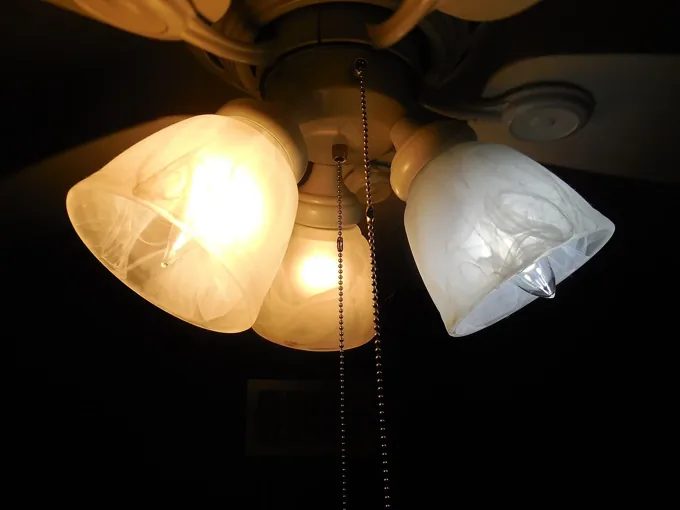
LEDs generally use less electricity to produce light than incandescent bulbs, which make more heat as they operate. Compare the bulb’s output, fit and use pattern before replacing lamps throughout a home.

· 2 min 57 sec read ↗