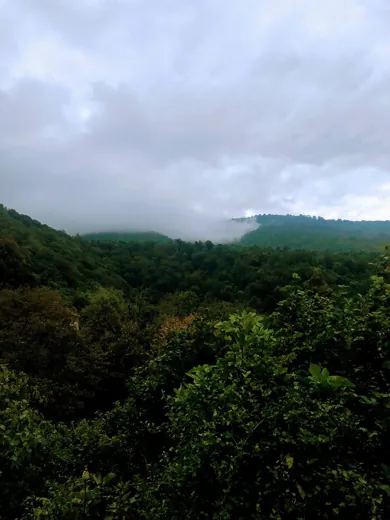
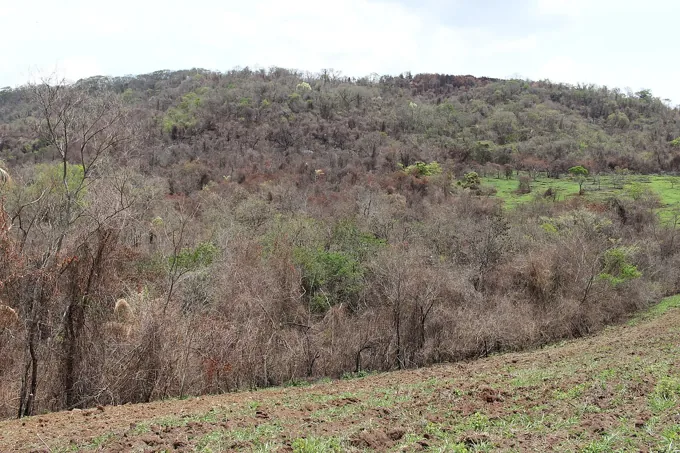
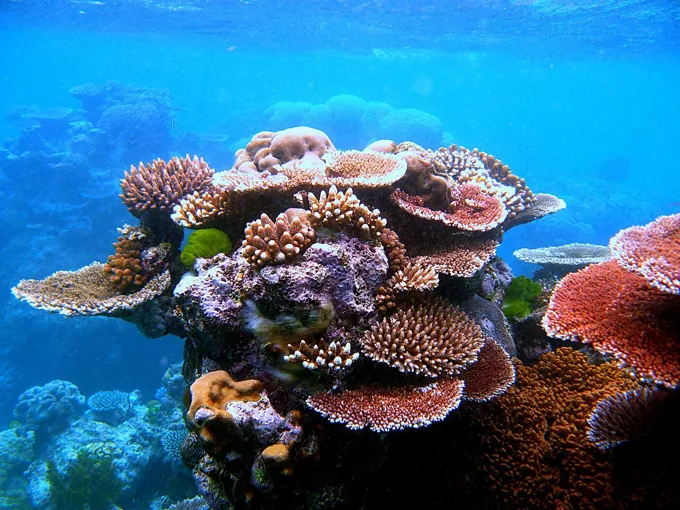
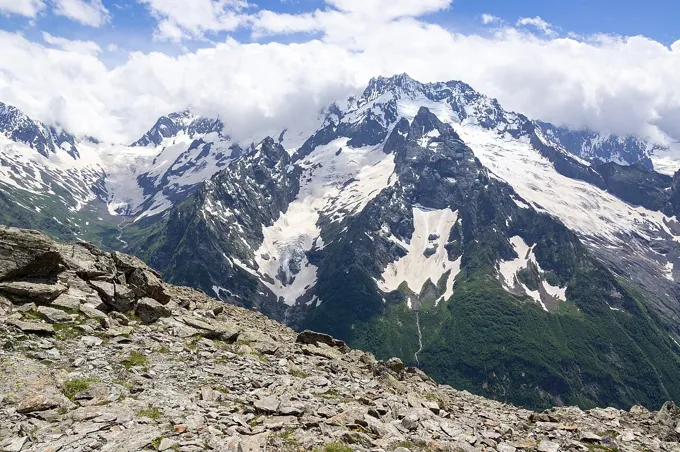
Climate change affects biodiversity by shifting the conditions species and ecosystems depend on, while land use and other pressures also shape outcomes. Understand the pathways and what local observation can show.
Climate resilience is the ability of people, places and systems to prepare for climate hazards, limit harm, recover and adapt. Here is how to make the idea practical at home and in a community.
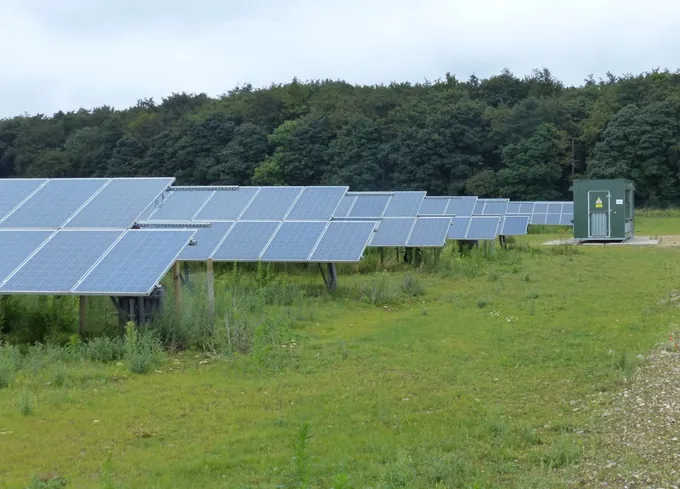
Carbon neutral and net zero both describe efforts to balance emissions, but the terms can refer to different boundaries and levels of reduction. Here is how to compare claims and what to ask before relying on them.
Climate adaptation means adjusting systems and daily decisions to reduce harm from climate impacts. It addresses exposure and vulnerability, complements emissions cuts and works best when plans reflect local risks and community needs.
Trees can store carbon and shape local conditions, but their climate role depends on species, place, care and time. Learn how to think about tree planting as one part of climate action, not a stand-in for reducing fossil-fuel emissions.
Mitigation tackles the causes of climate change by reducing greenhouse gas emissions or increasing durable removal; adaptation reduces harm from climate impacts. Communities need both, though they solve different problems and work on different timelines.
A climate tipping point is a threshold beyond which a system can shift substantially, sometimes with self-reinforcing change. Learn how it differs from ordinary variation and why it matters for decisions.
Carbon dioxide and methane both trap heat, but they differ in sources, atmospheric behavior and how emissions are tracked. A useful comparison keeps the gas, amount, time period and source in view.
Read the axes, baseline, time span and units before interpreting a climate graph. Those details reveal whether it shows a local observation, a global average, a short-term fluctuation or a long-term trend.
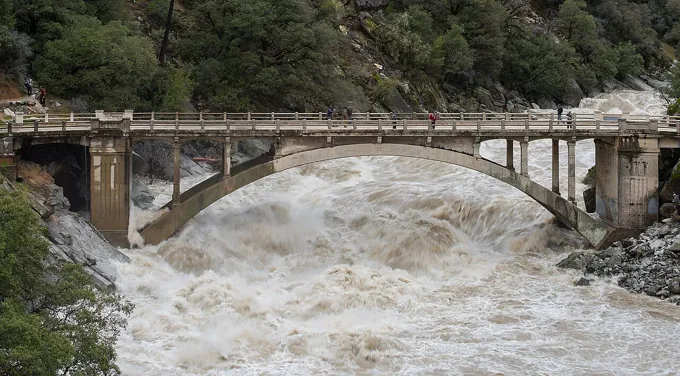
A warmer atmosphere changes how water moves through the air, but rainfall shifts differ by region and season. Learn why heavy downpours and longer dry spells can both become concerns.
Half a degree is a difference in the level of global warming, not a forecast for one place. It matters because added heat shifts the odds and severity of climate impacts, while each fraction avoided reduces pressure on people and ecosystems.
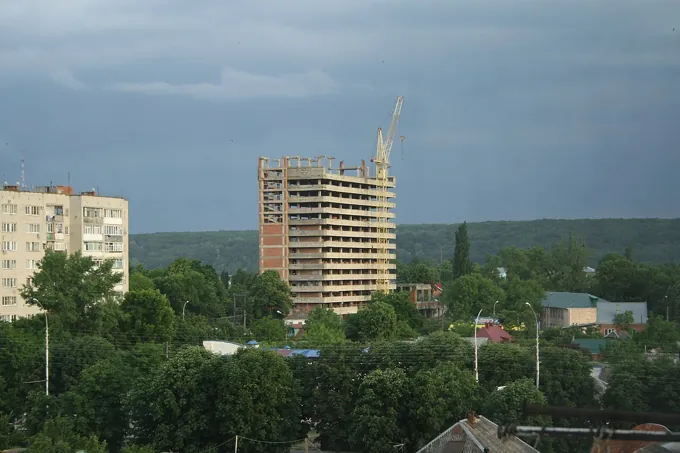
Cities can become hotter than nearby less-built areas because pavement and buildings absorb and release heat, while dense development can limit shade and airflow. This guide explains the mechanisms and how to spot the conditions that make a block especially warm.
Climate overshoot describes a period when warming exceeds a stated temperature limit before potentially falling again. A later decline would not erase the risks and impacts experienced during the time above that limit.
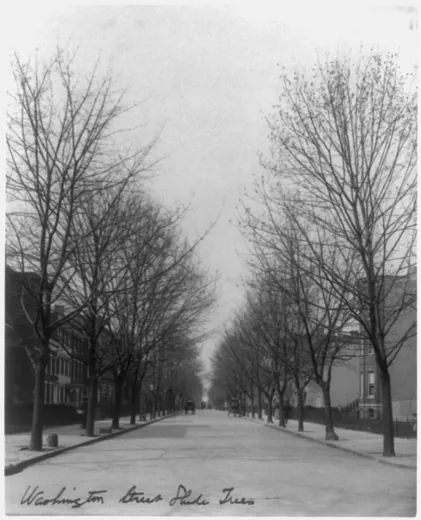
Trees cool urban spaces mainly by shading surfaces and releasing water through leaves, but the effect depends on canopy, species, site and water. Learn what trees can change on a street and what to consider before planting for shade.
Weather forecasts estimate atmospheric conditions over the coming days, while climate models explore long-term patterns under specified conditions. They answer different questions, so a climate projection is not a day-by-day forecast.
 tree day