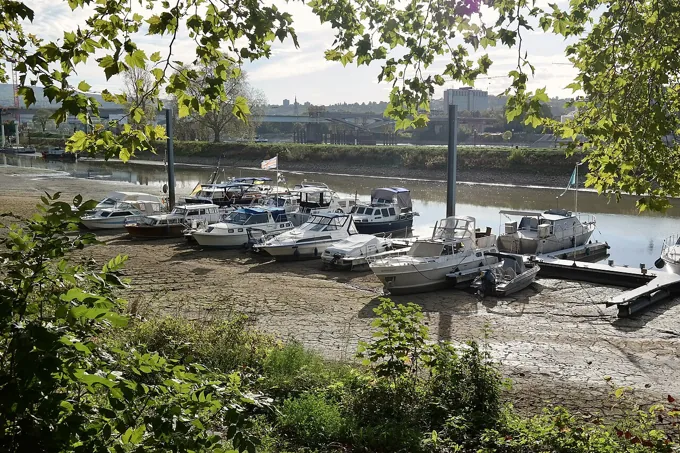
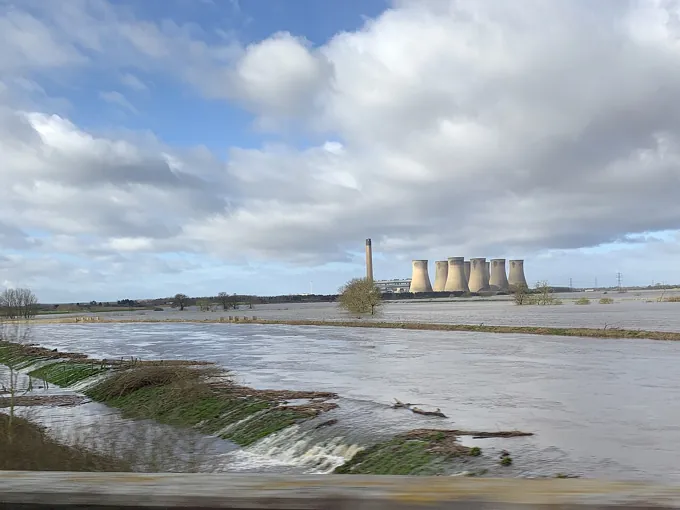
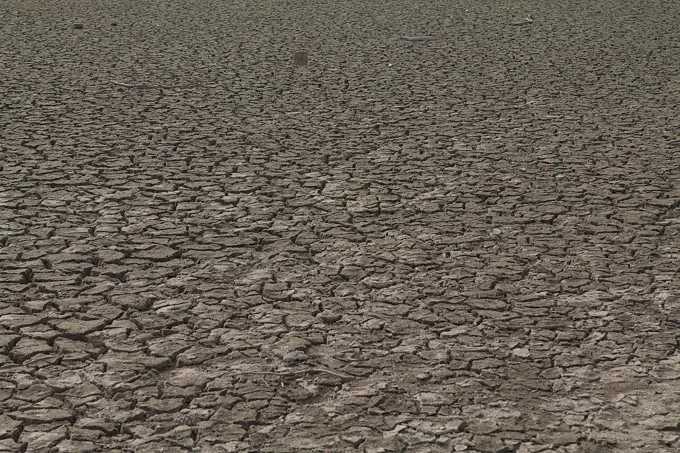
Copernicus records the second-warmest September globally and a September sea-surface temperature record across 60°S–60°N. Europe also experienced continued warmth and low river flows.
NOAA reports a record-warm September across the contiguous United States. Southern drought expanded even as the national drought share changed little over the month.
Climate change is a long-term shift in average weather patterns, from local rainfall and temperature to global conditions. Today’s warming trend is driven mainly by human greenhouse gas emissions, though natural influences also affect climate.
The greenhouse effect is the natural process that keeps Earth warm enough for life. Learn how gases slow heat loss, why human activity is strengthening the effect, and how it differs from weather or the ozone layer.
A carbon footprint estimates greenhouse gas emissions linked to an activity, product, household or organization. Understand what it includes, why estimates vary and how to use one as a practical guide rather than a personal verdict.
Weather describes short-term atmospheric conditions; climate describes the patterns and averages that emerge over decades. Keeping the timescales distinct helps explain why a cold day can occur during a warming trend.
Today’s global warming is caused mainly by human activities that increase heat-trapping greenhouse gases, especially fossil fuel burning. The greenhouse effect is natural; the problem is its human-driven strengthening.
The Paris Agreement is an international climate agreement adopted in 2015, with a goal of limiting warming and a process for countries to set and strengthen national climate plans. Its targets depend on action and implementation.
Global warming describes the long-term rise in Earth's average surface temperature; climate change includes that warming and broader shifts in weather patterns. Knowing the distinction helps make sense of evidence and avoid treating one cold day as a rebuttal.
An urban heat island is a built-up area that is warmer than surrounding less-developed areas, especially under certain weather conditions and at particular times. Learn what the term measures, why the pattern forms and how to interpret local temperature comparisons.
Carbon sequestration is the capture and storage of carbon, including carbon dioxide removed from the atmosphere or kept from entering it. This guide explains the main distinction, why storage duration matters and what to look for in a sequestration claim.
Reducing a carbon footprint starts with identifying major sources such as home energy, transport and consumption, then choosing changes that fit local options and daily needs. A focused plan beats an imprecise list of universal fixes.
Carbon offsets are credits used to balance emissions by supporting a claimed reduction or removal elsewhere. Learn what a credit represents, why offset quality varies, and how to assess offsets without treating them as a substitute for cutting emissions.
Climate justice asks how climate harms and climate action are distributed, who has power in decisions and what responsibilities follow. Here are practical questions for evaluating a policy or project.
Net zero means cutting greenhouse gas emissions to a small residual amount and balancing that remainder with removal and durable storage. Credible claims need a clear boundary, near-term reductions and transparent treatment of residual emissions.
Climate change can increase flood risk by influencing heavy rainfall and sea levels, but flooding also depends on terrain, drainage and exposure. Learn what the connection means for a particular place.
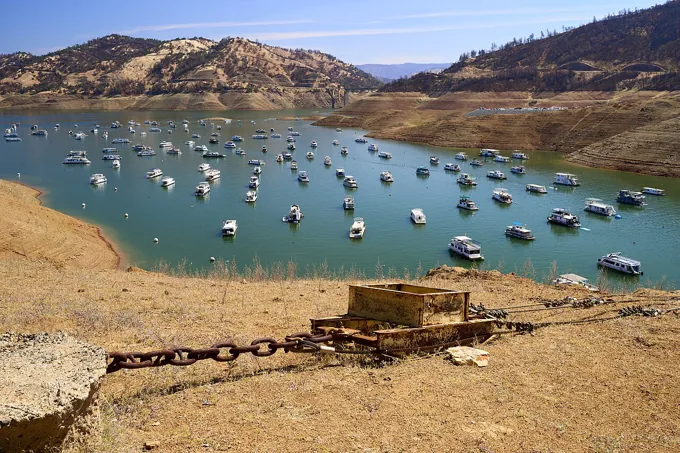
Climate change can raise drought risk by increasing heat and evaporation, but drought also depends on rainfall, soils, water use and location. Learn how to tell these factors apart and where to start.
 tree day