tree day
Guide
Climate change and drought?
Climate change can raise drought risk by increasing heat and evaporation, but drought also depends on rainfall, soils, water use and location. Learn how to tell these factors apart and where to start.
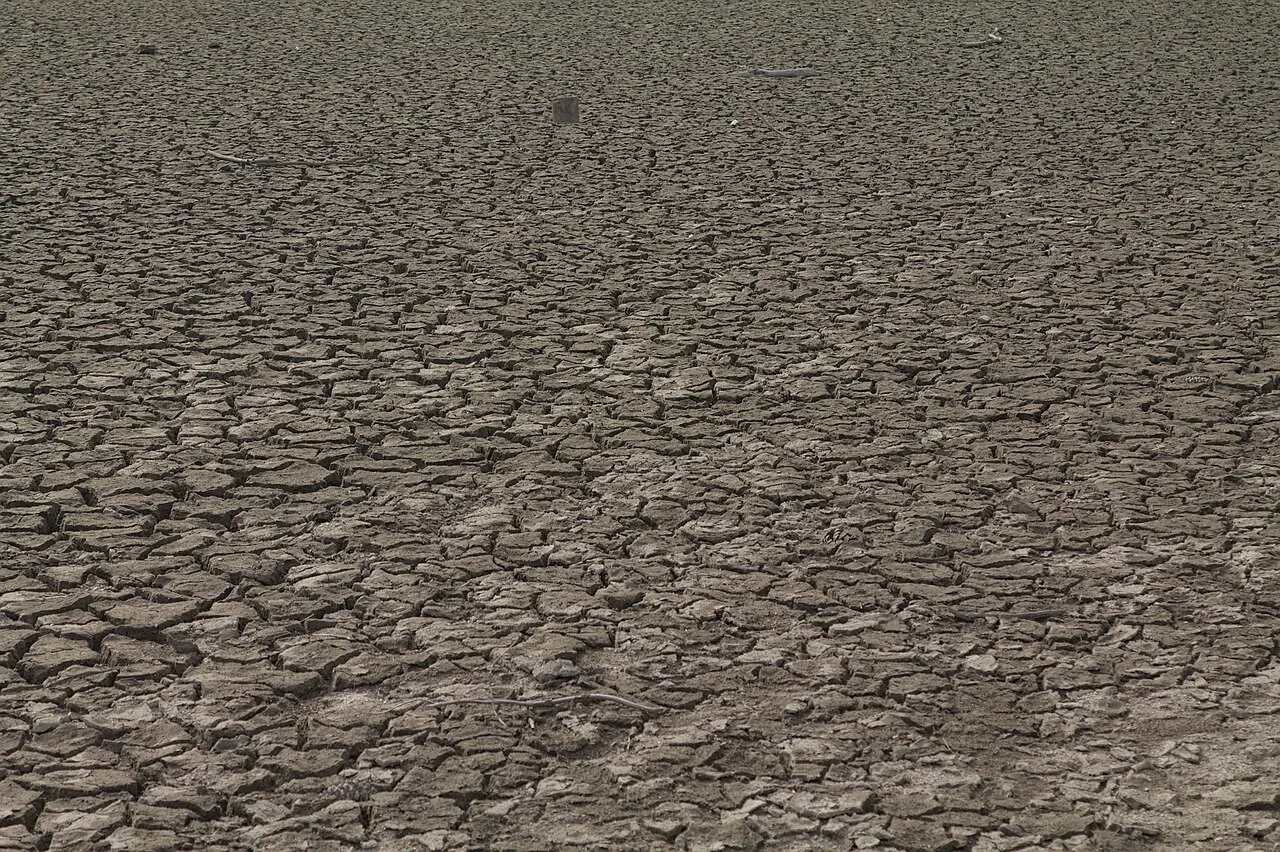
Climate change can make drought more severe or more likely in some places, especially when higher temperatures increase water loss from soil and plants. But drought is not caused by temperature alone: it also depends on precipitation, water stored in rivers and reservoirs, and how people use water. A dry spell can occur in any climate; the useful question is whether warming is changing the conditions that make shortages harder to manage.
Drought has more than one measure
Meteorological drought means a period with unusually low precipitation for a place and season. Agricultural drought concerns moisture available to crops and vegetation; hydrological drought describes low water in streams, lakes or reservoirs. These can overlap, but they do not always begin together. A rain deficit may take time to show up in a reservoir, while heat can stress plants quickly.
That distinction matters because the word “drought” can refer to different problems. A farmer may be concerned about soil moisture during a growing stage, while a city watches reservoir storage. The appropriate response depends on which supply or ecosystem function is under strain.
Heat increases water demand from the landscape
As temperatures rise, evaporation from exposed water and soil can increase, and plants may lose more water to the air. If rainfall does not replenish that loss, soils can dry and vegetation may face greater stress. NASA includes drought among the extreme weather indicators whose frequency and severity can change with climate. [1] The effect is not identical across regions because rainfall, soils, plants and seasons differ.
Human-driven warming comes largely from greenhouse gas emissions that trap heat in the atmosphere; NASA identifies fossil fuel burning as a major source of added carbon dioxide. [2] This background warming can intensify water stress where precipitation is already limited or where high temperatures persist, while other regions may have different rainfall changes.
Rainfall and water use still count
A hot year is not automatically a drought, and a dry year does not by itself prove climate change caused it. Natural variability can produce wet and dry periods, while land management and water withdrawals influence how scarcity is felt. Drought risk emerges from these factors together: climate conditions, the landscape's capacity to store water, demand and the decisions that allocate supplies.
Imagine a hypothetical community relying on a reservoir. A season of low inflow may matter more if demand is rising or the reservoir began the season low. In another place, the same rainfall shortfall might be buffered by soil, groundwater or different infrastructure. The example is a reminder that a climate signal and a water shortage are related questions, not interchangeable ones.
Why a long-term view helps
Weather describes short-term conditions; climate describes longer-term patterns, generally measured over decades. [1] One dry summer can be serious for people living through it, but it does not establish a long-term trend. Conversely, a rainy season does not erase a pattern of increasing heat or changing precipitation across many years.
For planning, look at records and assessments that match the question: rainfall and temperature trends for the region, reservoir or groundwater conditions for supply, and soil moisture or vegetation information for land stress. A seasonal outlook can describe broad odds, but it does not forecast exactly when a local drought will begin or end.
Choose a response that matches the shortage
If the immediate concern is household water, follow the local water provider's current guidance and identify where use can be reduced without compromising essential needs. If it is a garden, first understand the plants, soil and local conditions; fixed watering rules do not fit every yard. For a community, ask how conservation measures affect people with different needs and what supplies are available during prolonged shortage.
A common mistake is focusing only on personal water use while ignoring the larger system, or assuming one conservation step can solve a regional deficit. Start by identifying whether the problem is low rainfall, soil moisture, streamflow or supply demand. Then use local agency information to choose the next action.
Follow the evidence
Primary sources used in this story. Practical examples are illustrative unless a source states otherwise.
Read our editorial standards. Have a correction? Identify the article and relevant source in your feedback to the site owner.