tree day
Guide
What does net zero mean?
Net zero means cutting greenhouse gas emissions to a small residual amount and balancing that remainder with removal and durable storage. Credible claims need a clear boundary, near-term reductions and transparent treatment of residual emissions.
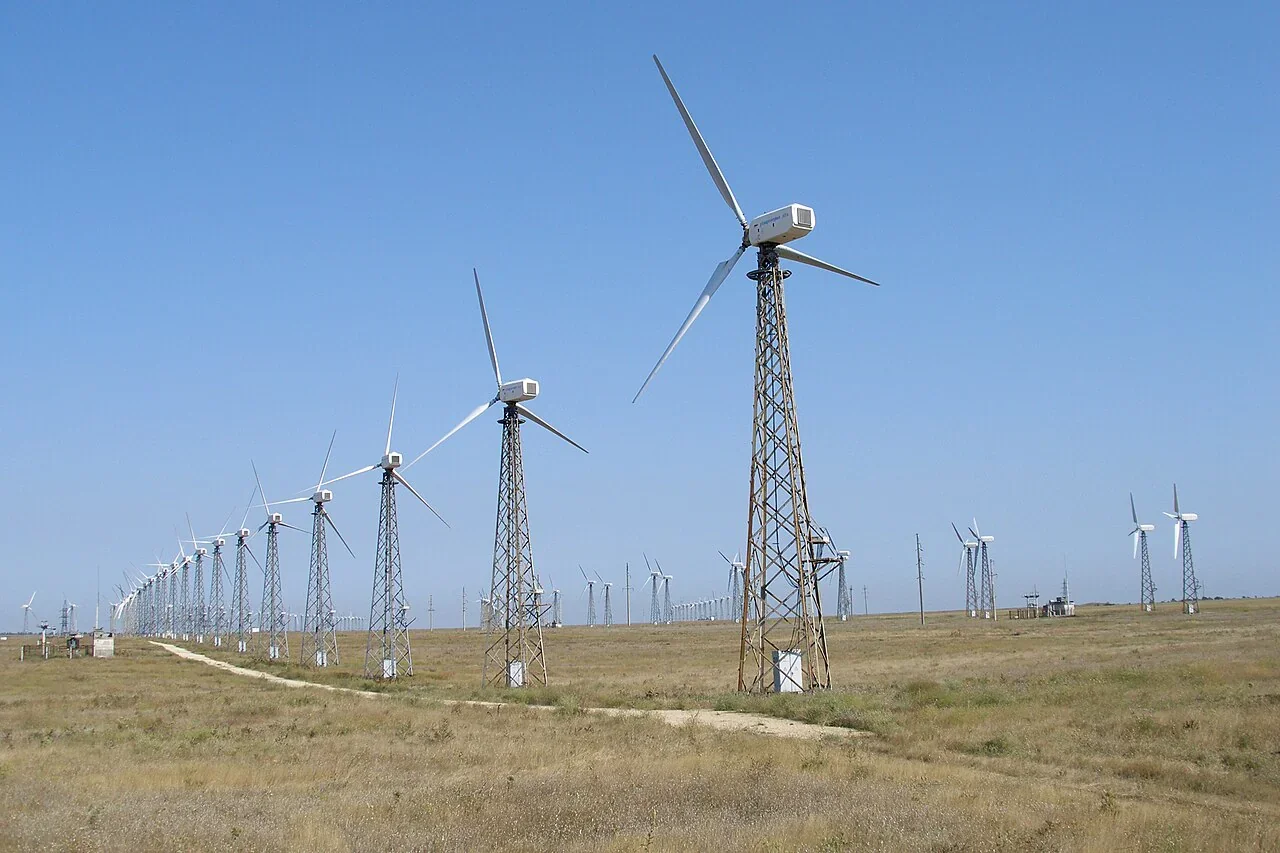
Net zero means cutting greenhouse gas emissions to a small residual amount, then balancing those remaining emissions with carbon dioxide removal and durable storage. It does not mean that an organization can continue emitting freely by purchasing credits. To assess a net-zero claim, look for what is covered, how emissions will fall and how any remaining emissions will be addressed.
The arithmetic behind “net”
“Net” describes a balance: emissions released minus emissions removed or durably stored. The United Nations explains net zero as reducing emissions to a small residual amount that can be absorbed and durably stored by nature or other carbon dioxide removal measures, leaving zero in the atmosphere in the accounting sense. [1] That definition makes the order important: deep cuts come first, with removal for what remains.
Imagine a hypothetical organization that emits 100 units in a year. It cannot call the situation net zero simply because it funds a project labeled “100 units” if its own emissions remain unchanged and the project does not reliably remove and store the carbon represented. This illustration is not a real-world calculation; it shows why the quality and durability of removals matter alongside the emissions inventory.
A pledge needs a boundary and a plan
A useful commitment says whose emissions count and which sources are included. A business may count direct fuel use and purchased electricity, while emissions connected to suppliers or customers may require separate treatment. A target without a clear boundary can look ambitious while leaving major sources outside the promise.
The UN says net-zero commitments need credible action and that stronger standards were developed for non-state entities. [1] A practical review should ask what baseline is used, which emissions categories are covered, what reductions occur before the target year, and how progress will be reported. The phrase alone does not answer those questions.
Reductions and removals are not the same
Reducing emissions means preventing greenhouse gases from entering the atmosphere—for example, replacing fossil-fuel energy with lower-emissions sources. Removal means taking carbon dioxide out of the atmosphere and storing it. The UN’s explanation distinguishes residual emissions, which are balanced through absorption and durable storage, from the wider task of cutting emissions. [1] A pledge that relies mainly on future removals while postponing direct reductions deserves careful scrutiny.
Removal methods also differ in permanence, measurement and land or resource needs. A natural sink may store carbon while conditions remain suitable; storage described as durable is meant to address the risk that carbon returns to the atmosphere. A credible claim should explain the method and how its performance is checked rather than treating all offsets or projects as equivalent.
Net zero is not carbon neutrality by implication
Terms used in climate claims can have different boundaries and rules. “Carbon neutral” may refer to carbon dioxide alone or a defined activity, while “net zero” may describe a broader set of greenhouse gases and an organization-wide pathway. The wording does not settle the matter; the published method does. Check whether a claim covers all relevant gases, the full organization or product, and whether it relies on credits outside its own operations.
A headline target year is also not a plan. The UN states that commitments need to be backed by action, and its page describes emissions reductions as necessary alongside the eventual net-zero goal. [1] For readers, the key distinction is between a distant promise and a sequence of near-term, measurable reductions.
A short test for a net-zero claim
When a company, city or institution announces net zero, look for four things: a defined emissions boundary, a baseline and interim targets, evidence that direct emissions will fall, and a transparent explanation of residual emissions and durable removals. Then ask how the group reports progress and what happens if the stated pathway is missed. These checks do not certify a claim, but they help reveal whether it is specific enough to evaluate.
For a household, the term is less useful as a personal score than as a way to assess public or organizational commitments. A grounded next step is to read the target’s actual plan and identify which emissions it covers before repeating the claim as a result already achieved.
Follow the evidence
Primary sources used in this story. Practical examples are illustrative unless a source states otherwise.
Read our editorial standards. Have a correction? Identify the article and relevant source in your feedback to the site owner.