tree day
Environment news · Development: 8 Oct 2026
Contiguous US records its warmest September as southern drought expands
NOAA reports a record-warm September across the contiguous United States. Southern drought expanded even as the national drought share changed little over the month.
United States
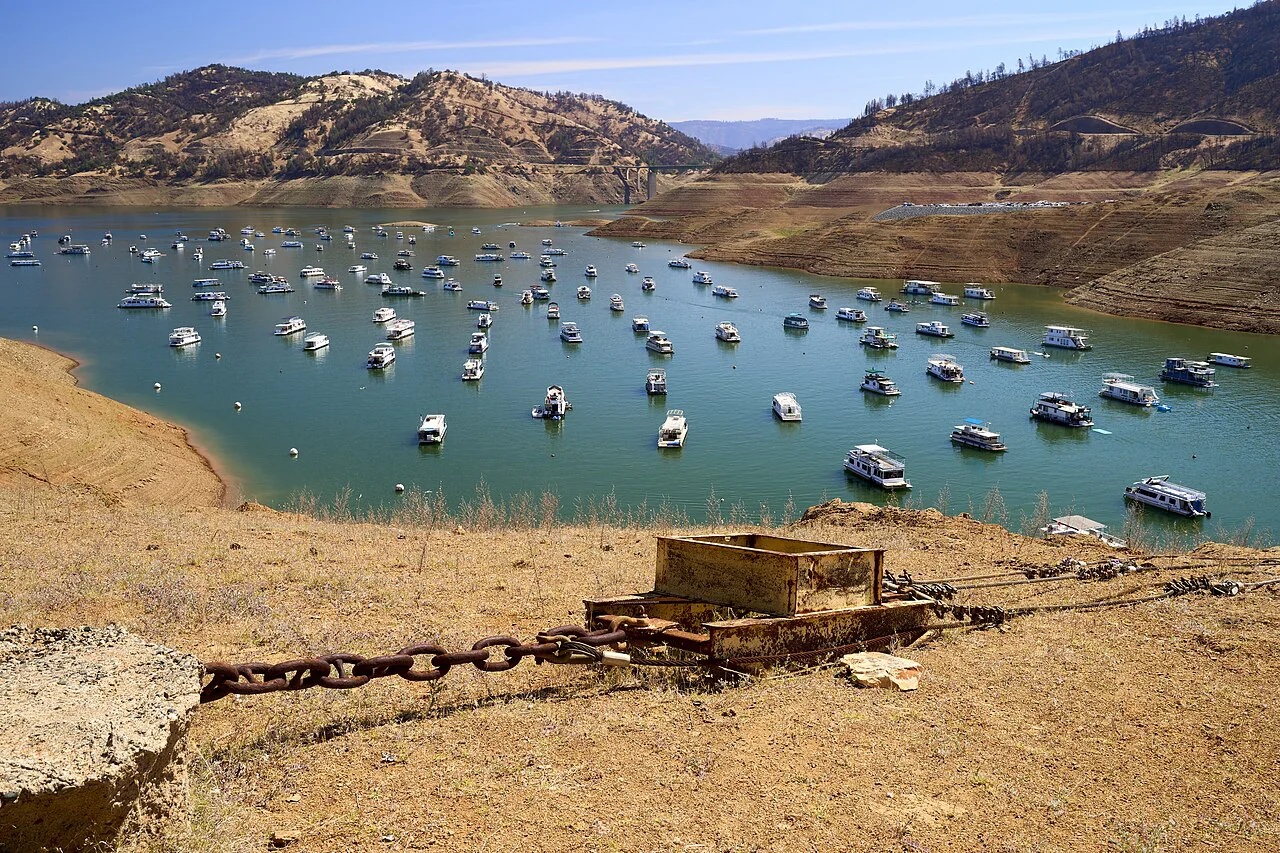
The contiguous United States recorded its warmest September in NOAA’s 132-year record, the agency reported on 8 October. The monthly average was 69.4°F, or 4.6°F above the twentieth-century average. Meanwhile, drought covered 89 per cent of NOAA’s South region by 29 September. [1]
Warmth varied across the country
Eight states recorded their warmest September. Much of the interior and eastern United States was warmer than average, while parts of northern California and the Pacific Northwest were cooler. Nighttime minimum temperatures also set a contiguous-US September record. [1]
Those differences matter when interpreting a national record. An average combines locations with different conditions, so residents of one cooler area can experience a month that differs from the larger pattern. NASA distinguishes the day-to-day weather people experience from climate patterns assessed across longer periods. [2]
Drought worsened sharply in the South
The South’s drought extent was its largest since October 2000. Across the contiguous states as a whole, about 59 per cent of the area was in drought at the end of September, roughly unchanged from the start of the month. [1]
A stable national percentage can conceal deterioration in one region and improvement elsewhere. The regional figures make the southern expansion visible. They also provide a more useful starting point for following local water conditions than the temperature record alone. The report describes September; October’s complete monthly assessment was still ahead at this edition’s publication.
Follow the evidence
Primary reporting and background sources. Event dates and publication dates are shown separately above.
- NOAA National Centers for Environmental Information: Monitoring the U.S. Temperature and Precipitation in September 2026 ↗
- NASA: What is climate change? ↗
Read our editorial standards. Have a correction? Identify the article and relevant source in your feedback to the site owner.