tree day
Guide
Climate change and biodiversity?
Climate change affects biodiversity by shifting the conditions species and ecosystems depend on, while land use and other pressures also shape outcomes. Understand the pathways and what local observation can show.
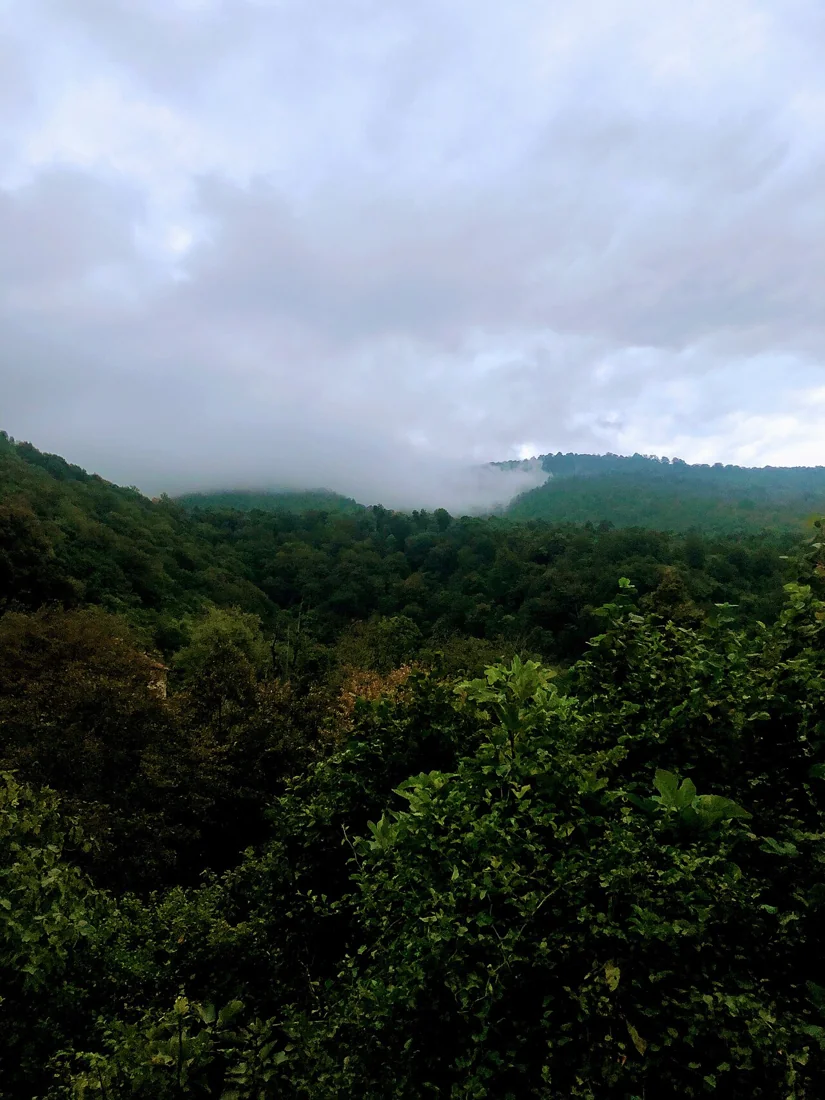
Climate change affects biodiversity when temperatures, rainfall and seasonal timing shift faster than species and ecosystems can adjust. Some organisms may move, change behavior or persist in altered conditions; others may lose suitable habitat or face greater stress. The consequences reach beyond individual species because relationships among plants, animals, water and soil help ecosystems function. Climate is one pressure among several, so its effects depend on the place and the living community there.
Species depend on conditions, not averages alone
A species occupies places where its needs can be met: suitable temperatures, water, food, shelter and seasonal cues. A change in average climate can alter those conditions, but extremes and timing matter too. A heat spell during a sensitive life stage or a shift in rainfall can affect survival and reproduction even if an annual average seems modest.
NASA describes climate change as a long-term change in average weather patterns and tracks changes in vegetation cover among climate indicators. [1] That framing is useful because ecological effects unfold through local conditions over time, not through a single temperature number.
Relationships can shift along with ranges
Species do not respond in isolation. A plant may flower at a different time, while the insects that pollinate it respond to another cue. Changes in water availability can affect food and shelter for several species at once. If one part of a seasonal relationship moves and another does not, the effect can ripple through a local food web.
Movement is one possible response, but it requires suitable habitat to be available and reachable. Roads, farms and built areas can interrupt movement, while a nearby cooler or wetter place may not offer the right food or shelter. Some organisms can adjust their activity or persist in place; others are more constrained by life cycle or habitat.
Climate is one pressure in a crowded landscape
Land conversion, pollution, invasive species and direct extraction can also reduce biodiversity. These pressures may combine with climate change: fragmented habitat can make it harder for species to shift their range, while stress from heat or water scarcity can leave less capacity to withstand other disturbances. The balance varies by ecosystem and species.
Human activities also drive much of the current warming through greenhouse gas emissions. NASA attributes the warming trend observed since the mid-20th century primarily to human activities, especially fossil fuel burning. [1] Reducing those emissions addresses a major climate pressure, while habitat protection and restoration address other threats and can support ecological function.
A local example without assuming a universal fix
Consider a hypothetical streamside area where hotter conditions and less reliable summer moisture place stress on plants and animals. Maintaining connected habitat and protecting water quality may support ecological function, but the best choices depend on native species, flow patterns and land ownership. Planting a generic mix of trees would not automatically solve the problem and could introduce unsuitable species or alter water use.
This is why biodiversity work starts with understanding what is present and what pressures are changing. A species list, seasonal observations or guidance from local conservation groups can provide a more grounded picture than a broad claim that one planting technique benefits every ecosystem.
Choose a useful scale for action
A household can avoid damaging habitat and learn which native species and seasonal changes are relevant locally. A community can consider how land-use decisions maintain connections between habitats and water sources. Organizations can address emissions and other pressures at the scale where they have influence. These roles differ, and no single action stands in for all the others.
For a next step, observe one nearby habitat through a season and consult a local ecological resource about the species and conditions that matter there. That makes the question specific: which change is affecting which living relationship, and what response fits this place?
Follow the evidence
Primary sources used in this story. Practical examples are illustrative unless a source states otherwise.
Read our editorial standards. Have a correction? Identify the article and relevant source in your feedback to the site owner.