tree day
Guide
How to make parks more accessible?
Making a park more accessible starts by tracing the whole visit, from the approach route to seating and amenities, then prioritizing barriers with disabled visitors and local accessibility guidance.
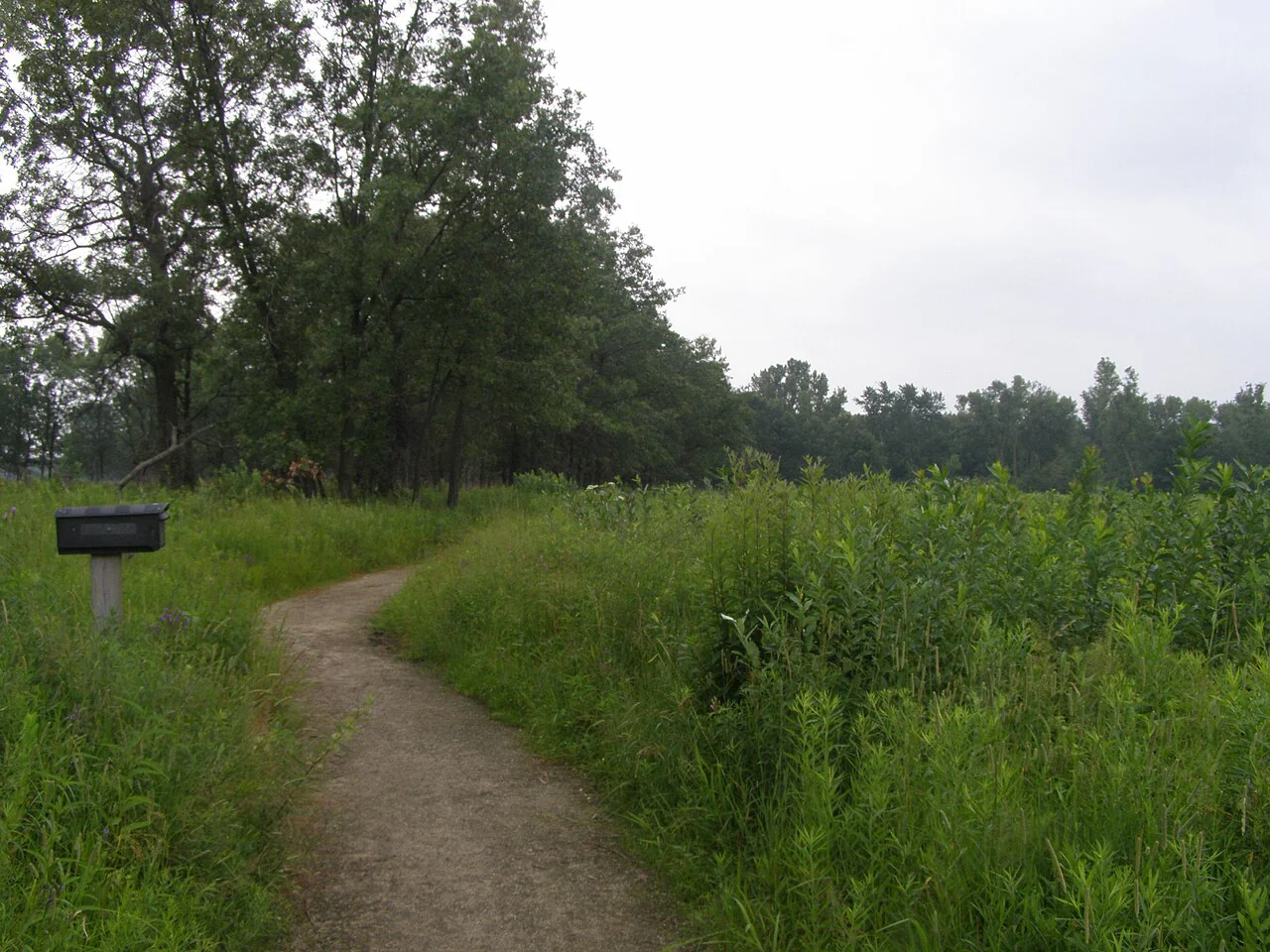
To make a park more accessible, look at the whole visit: getting there, entering, moving around, resting and reaching the features people came to use. An accessible entrance cannot compensate for a path that ends at the picnic area, and a smooth path is of limited help if there is nowhere to sit. Begin by asking people with different access needs where a visit becomes difficult, then check proposed changes against local accessibility requirements.
Follow the visit from the street
Start outside the park. Is there a continuous route from a nearby sidewalk, transit stop or parking area to the entrance? Note curb transitions, crossings, slopes, loose surfaces and places where a person has to share space with moving vehicles. These observations help distinguish a park problem from a barrier on the approach, while showing how the two combine in one trip.
Do not assume that a route is accessible because it appears short on a map. A missing curb ramp, narrow passage or uneven surface may change whether someone can reach the gate. Walk the approach with people who use mobility devices or have low vision, if they choose to participate. Their experience can reveal details that a plan view will not.
Make the entrance and paths usable
At the entrance, look for a clear route, usable gate opening and signs that are easy to find and understand. Inside, check whether important destinations connect through paths people can navigate, including restrooms, play areas, seating, gardens and water features. A path that reaches only the park’s edge does not make its main amenities accessible.
Surfaces, slopes and widths should be evaluated against applicable local standards rather than guessed from appearance. Conditions can change with weather and wear, so maintenance matters too. A route that is usable when new may become difficult if roots lift paving, drainage leaves standing water or vegetation narrows the clear space. Ask who inspects and repairs these routes.
Rest, shade and sensory comfort
Access includes the ability to take a break. Place seating where people need it along longer paths and near activities, and consider whether a companion can sit beside a wheelchair user. Shade can make a rest point more comfortable, though it shifts during the day and across seasons. The EPA identifies trees and vegetation as having a natural cooling effect, while local conditions determine where that shade falls. [1]
People also experience noise, glare, crowding and sensory information differently. Clear wayfinding, predictable path edges and quieter places can make a park easier to navigate for some visitors. Ask users what would help instead of assuming every person with the same disability wants the same design. Avoid treating accessibility as a single feature or a checklist that ends at the entrance.
Prioritize barriers with users
A practical review can record the location, barrier, affected part of the visit and a possible next step. For example, a hypothetical park might have a smooth main path but no resting place between its entrance and a garden. Adding a seat could help some visitors, while shade or a route adjustment may also matter. The point is to define the barrier with users before selecting a fix.
Invite disabled visitors to help set priorities and compensate them where a formal consultation budget allows. Ask about different mobility, vision, hearing, cognitive and sensory access needs without expecting one person to represent everyone. If a feature is temporarily unavailable, communicate that clearly and explain an alternative route when possible.
Connect improvements to maintenance
An access improvement has to remain usable. Include path condition, clear space, seating repairs and signs in routine maintenance planning. New planting can make a park greener, but it should not narrow a route as it grows. If a project includes rain gardens or other green infrastructure, consider how those features relate to the accessible path and how they will be maintained; stormwater designs have operational requirements as well as potential benefits. [2]
A useful next action is to choose one barrier that interrupts a complete visit, document it with a location and photograph if appropriate, and ask the park operator to assess it under local accessibility guidance. This keeps the request specific and gives staff a place to begin.
Follow the evidence
Primary sources used in this story. Practical examples are illustrative unless a source states otherwise.
Read our editorial standards. Have a correction? Identify the article and relevant source in your feedback to the site owner.