tree day
Guide
How to evaluate a community green project?
A field-ready framework for judging whether a community green project fits its place, serves residents, can be maintained and measures outcomes beyond installation day.
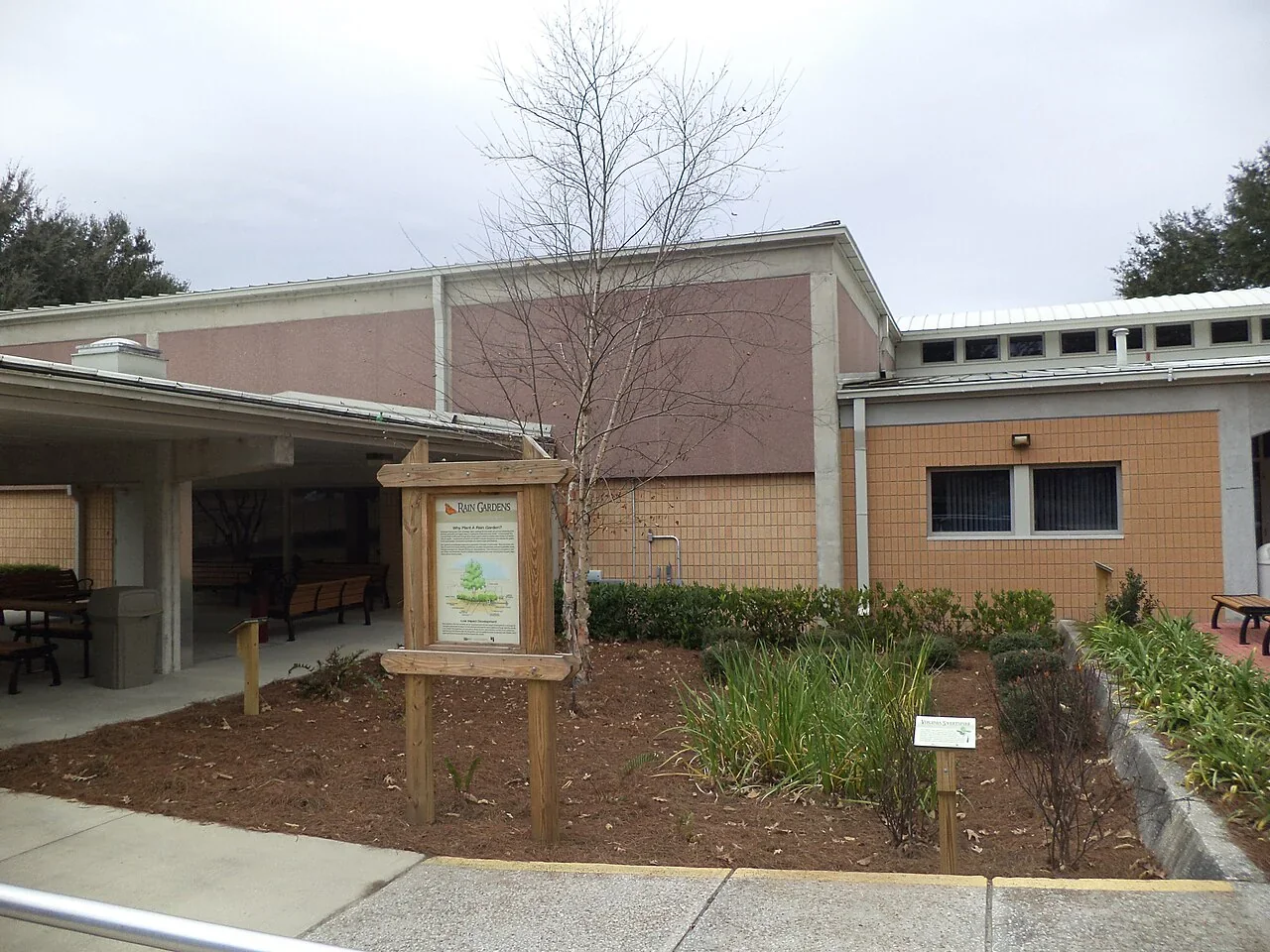
A new rain garden or tree planting is easy to photograph; whether it solves a neighborhood problem takes longer to establish. To evaluate a community green project, compare its stated need with its design, ask who shaped the plan and will care for it, and look for measures that continue after installation. The useful question is not simply whether something green was added, but whether it works for this place and its residents.
Start with the problem on the ground
Ask the project team to name the local issue in practical terms. Is rainwater pooling on a street, shade missing along a walking route, or a vacant area degraded by a specific pressure? A proposal that begins with a clearly described problem is easier to assess than one that begins with a popular feature. The same intervention may be helpful in one location and poorly matched in another.
For stormwater work, for example, the EPA describes green infrastructure as using filtration, infiltration and evapotranspiration to treat and absorb rain where it falls, with rain gardens, green roofs and permeable pavement among the examples [1]. That description helps distinguish a functioning water-management project from landscaping that merely looks green. Ask what flow it is designed to handle, how the site’s soil and drainage affect performance, and what happens during heavier rainfall. The source does not establish what a particular installation can manage; the local design must answer that.
Look for residents in the decisions
A community project should make clear who proposed it, who had a meaningful chance to shape it and whose concerns altered the plan. A meeting announcement alone does not show that residents influenced a decision. Ask how the team gathered input from people who may face barriers to attending, and how it handled disagreement over siting, access, construction disruption or maintenance.
Equity is not an extra benefit to be assumed from a project’s location. A green space may improve the block while leaving out people who cannot safely reach it or who are expected to volunteer indefinitely to maintain it. Check whether the project names responsible partners and a route for residents to raise concerns after the ribbon-cutting. These details show whether participation extends beyond the launch.
Separate installation from performance
Set out a simple timeline: what will be completed, what should happen next, and when anyone will check. Installation is an output; reduced runoff, usable shade or ecological recovery is an outcome. For a rain garden, useful follow-up might include checking whether water enters and drains as intended, whether planting survives, and whether sediment or litter requires attention. The right measures depend on the project’s stated purpose.
The EPA notes that stormwater planning involves operation and maintenance, groundwater impacts, costs and effectiveness, and that monitoring strategies matter at multiple scales [1]. Use those as prompts rather than as a universal checklist. A small neighborhood project may not need sophisticated instruments, but it should still have a way to notice failure, assign repairs and report what was learned.
Check care, not just construction
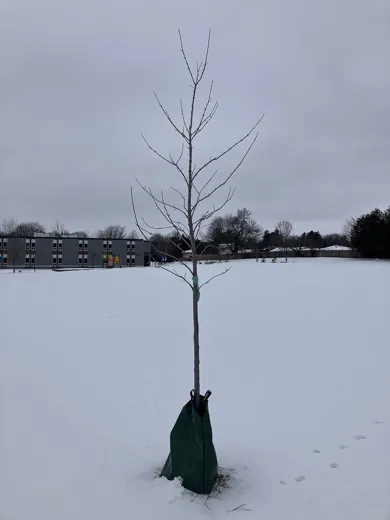
Ask who owns the site or has permission to work there, who will do routine care, and what resources support that care. The plan should be specific enough to survive staff changes: name the responsible organization or role, explain how problems are reported, and identify the likely tasks. For trees, the EPA points readers to local considerations in community planting efforts [2]. In practice, the project should explain how species, site conditions and ongoing care were considered rather than promise that planting alone will deliver shade.
A common mistake is to judge success by the number of items installed. A project can meet an installation target and still fail its purpose if water bypasses a feature, plants struggle, or a space is not usable. Ask what would count as a warning sign and whether the team will adjust the design if monitoring shows that the original approach is not working.
Use a short scorecard and choose a next step
Record five answers: the problem addressed, the evidence behind the design, the people involved, the maintenance plan and the measures after completion. Mark each as clear, partly clear or unanswered, and request missing information. This simple structure helps keep enthusiasm for a project from obscuring practical gaps, while avoiding a demand that a volunteer group produce a large formal evaluation.
A hypothetical example: residents propose a curbside planting to manage runoff. The team explains where water comes from, checks whether the site can absorb it, identifies who will maintain the planting, and plans to revisit it after storms. If the site conditions are uncertain, a sensible next step might be a small pilot and a follow-up review before expanding. Your next action is to ask the project lead who will inspect the work after the first season and what they will do if it underperforms.
Follow the evidence
Primary sources used in this story. Practical examples are illustrative unless a source states otherwise.
Read our editorial standards. Have a correction? Identify the article and relevant source in your feedback to the site owner.