tree day
Guide
How to compare environmental charities?
A practical way to compare environmental charities by their goals, evidence, community relationships, spending and ability to learn—so a donation supports work you can understand and trust.
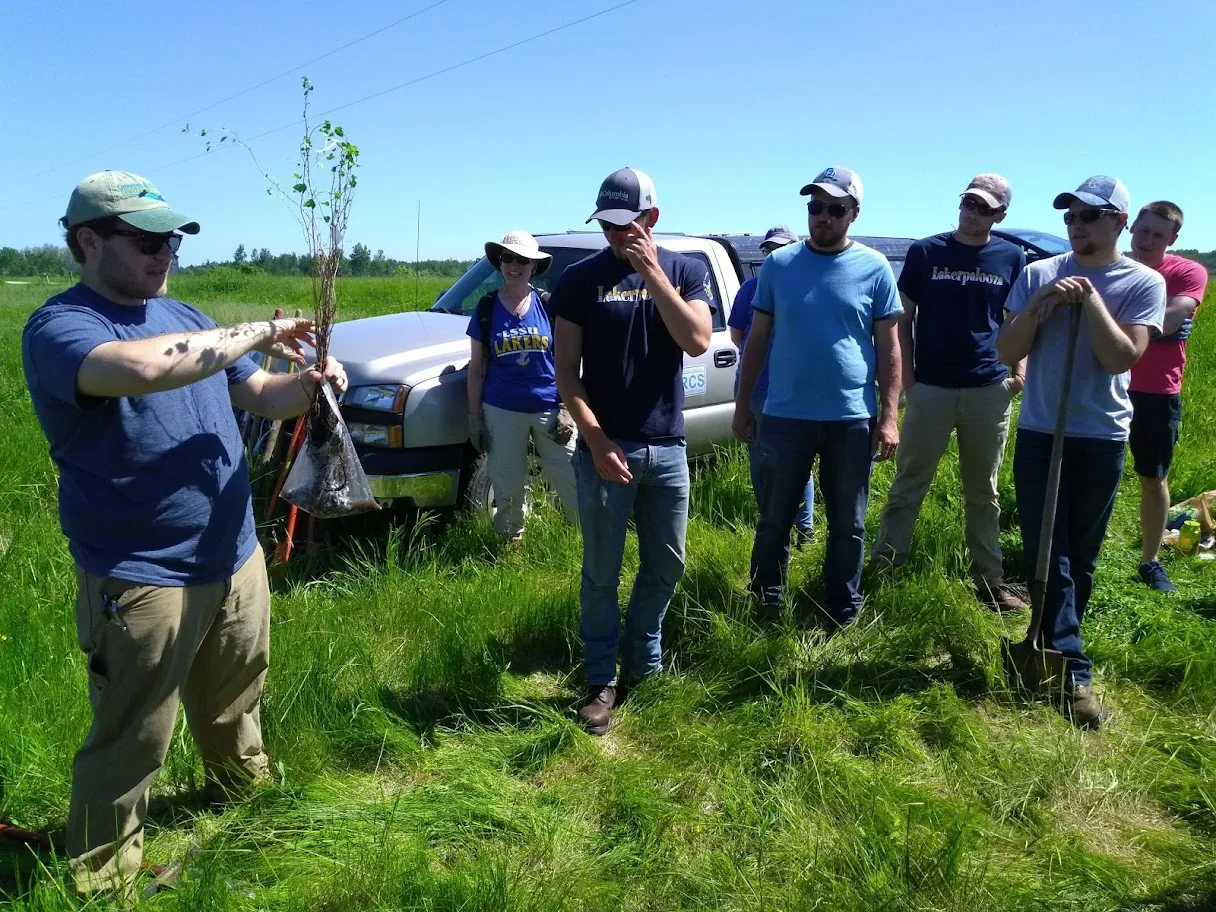
To compare environmental charities, start with the change each one is trying to make, then look for evidence that its activities plausibly contribute to that change. A familiar name or a high share of spending on programs cannot answer that by itself. A group protecting a wetland, organizing residents around pollution and restoring urban tree cover may all do worthwhile work, but they address different problems on different timelines.
Write down the result you care about
Before comparing organizations, make the decision narrower. Are you hoping to protect a particular habitat, reduce pollution, improve access to shade, or strengthen community influence over a local environmental decision? These aims overlap, but they are not interchangeable. Naming the result you care about gives you a fair basis for comparison and prevents a broad mission statement from standing in for a specific plan.
Then ask what kind of change could reasonably be seen within the time you expect to support the work. A campaign may aim to change a decision; a restoration effort may need years of care before ecological recovery is visible. The UN Decade on Ecosystem Restoration describes restoration as assisting recovery or conserving intact ecosystems, and notes that recovery can involve removing pressures so nature can regenerate, not only planting [3]. That distinction helps you ask whether a charity’s chosen activity fits its stated goal.
Follow the chain from activity to outcome
Look for a clear explanation of how the organization expects its work to matter. For example, a charity may train residents to monitor runoff, share findings with local decision makers, and advocate for changes that reduce polluted flows. Each step is an activity or intermediate result; cleaner water is the larger outcome. Ask which steps the organization can document and which depend on partners, public agencies or conditions outside its control.
A credible group should be able to describe what it tracks and what it cannot yet know. EPA stormwater research identifies cost, effectiveness, operation and maintenance, water quality and quantity, and community conditions among considerations for greenspace planning [1]. This does not establish that any particular charity succeeds. It does suggest useful questions: Does the organization check whether a project functions after installation? Does it account for maintenance and local constraints? Does it report problems as well as milestones?
Read beyond the headline budget
Financial statements are one part of due diligence, not a verdict on impact. Compare recent budgets and audited or independently reviewed financial information where available. Check whether the organization explains fundraising, administration, reserves and multi-year commitments in a way that makes sense for its work. A group building long-term relationships or maintaining restored land may need staff and operating funds that do not produce an immediate, photogenic result.
Treat unusually simple efficiency claims cautiously. A low overhead ratio does not prove a program is effective, and spending more on staff or evaluation can be sensible if it improves delivery. Compare organizations with similar aims and methods, and notice whether costs are explained in context. If you cannot tell where a donation goes, ask for a plain-language answer before making a recurring commitment.
Check who helps set the agenda
Environmental work affects people who live, work and depend on a place. Look for signs that an organization listens to those people, explains who makes decisions, and recognizes trade-offs such as access, land use, jobs and upkeep. A charity may have expertise without being accountable to a neighborhood; a local group may have trust and knowledge without specialist capacity. Partnerships can combine strengths, but the roles should be clear.
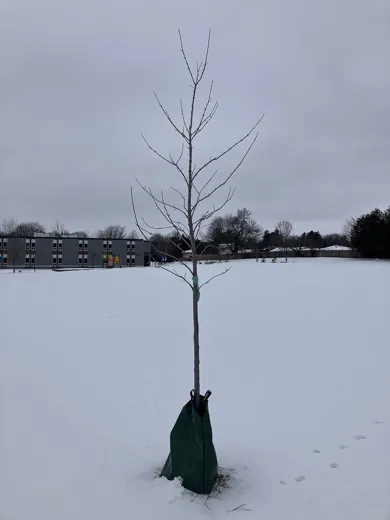
For work involving trees, for instance, the EPA describes cooling benefits while also directing communities to consider local factors in planting efforts [2]. That makes it reasonable to ask whether a charity identifies where shade is needed, who will care for trees, and how residents shape choices. Do not infer that every planting project answers those questions simply because tree cover can reduce heat.
Make a decision you can revisit
A practical comparison can fit on one page: the intended change, the method, the evidence reported, the people involved, the financial information and your remaining questions. Score each organization only against priorities you have actually chosen. If two groups are strong in different ways, you might divide a donation or support the one whose work matches your current concern.
Finally, choose a giving arrangement that suits your confidence. A one-time gift lets you learn; a recurring gift can help a group plan but merits occasional review. Revisit the organization’s updates after a year and ask whether its work and reporting still match your reasons for giving. The next useful step is to shortlist two organizations addressing the same problem and ask each how it measures progress after the initial activity ends.
Follow the evidence
Primary sources used in this story. Practical examples are illustrative unless a source states otherwise.
- US EPA: Stormwater management research ↗
- US EPA: Using trees and vegetation to reduce heat islands ↗
- UN Decade: What is ecosystem restoration? ↗
Read our editorial standards. Have a correction? Identify the article and relevant source in your feedback to the site owner.