tree day
Guide
How to ask for more street trees?
A focused street-tree request explains the location, the public benefit residents seek and the site constraints officials should assess, while leaving species and placement to local review.
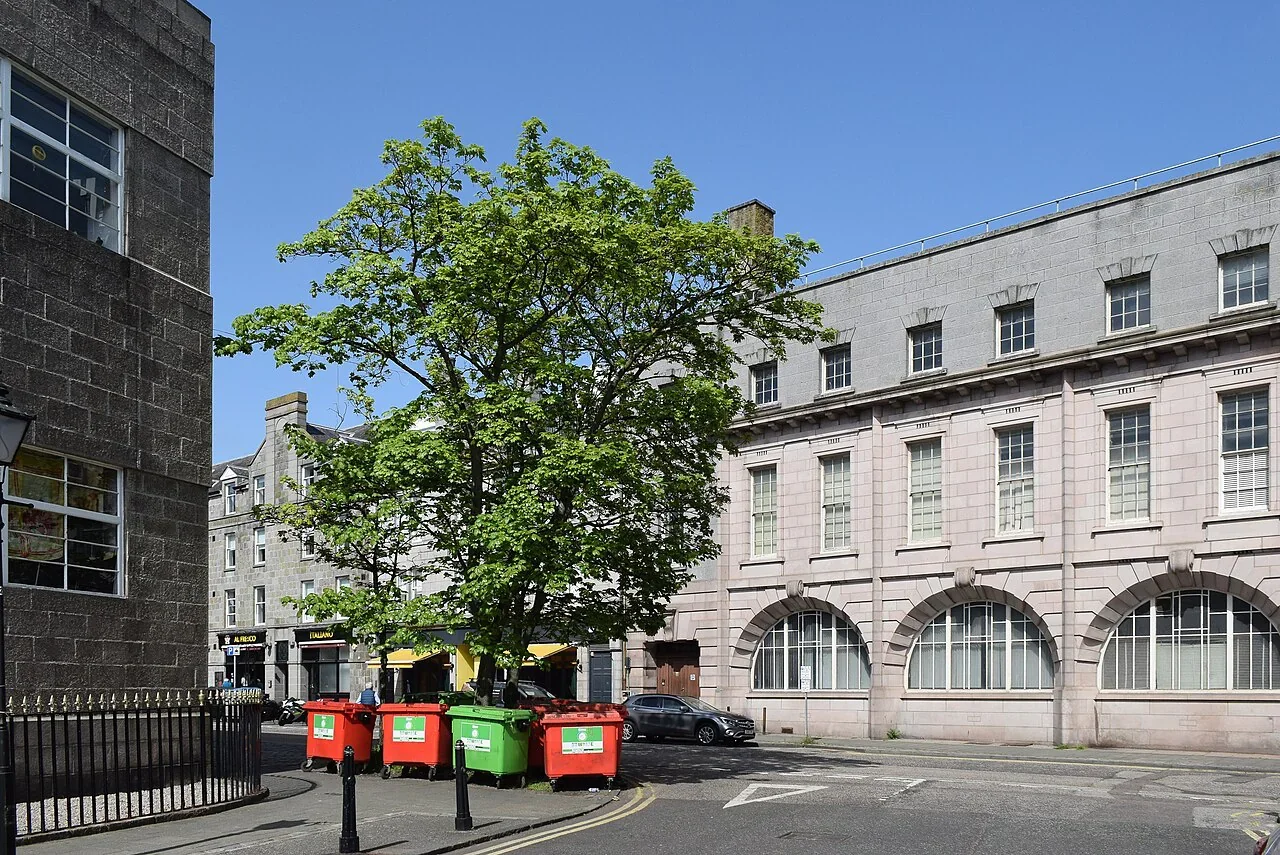
A strong request for more street trees names a specific stretch of sidewalk and explains what residents need there: shade on a walking route, a cooler place to wait, or a greener street. Asking for trees in general is easy to overlook because a city still has to check space, utilities, maintenance and ownership. Make the request concrete enough to investigate, then ask who will assess the site and how to follow up.
Describe a place, not a slogan
Choose a short block, bus stop approach or public frontage. Give cross streets, the side of the road and a recognizable landmark; a photograph or annotated map can make the location clearer. Explain the problem in observable terms. For example, residents might note that the sidewalk between a transit stop and a community center has no shaded resting place during the afternoon. That is more actionable than saying the neighborhood needs more trees everywhere.
Keep the request tied to public space. A tree in a private yard may not shade the sidewalk, and a public planting may not be possible on every frontage. If you are unsure who controls the land, ask the local public works, parks or urban forestry office which department handles street trees. Responsibilities vary by place, so do not assume a single office owns every site.
Show who uses the route
Briefly describe the people and trips affected without making claims you cannot support. Residents may use the block to reach a bus, school, shop or park. If you have observed people waiting in full sun or walking around a missing sidewalk segment, say when and where. A few dated observations can help staff understand why the location matters; they do not need to become a formal study.
Trees and other vegetation have a natural cooling effect, and the US Environmental Protection Agency describes them as a way to reduce heat-island effects. That makes shade a reasonable goal to raise, but it does not establish that a particular planting will solve a local heat problem. Site conditions and the eventual design matter. [1]
Ask for assessment and a process
Instead of naming a tree species or demanding a fixed number, ask the relevant agency to assess whether street trees can be planted along the identified segment. Invite it to consider available planting space, overhead and underground conflicts, sidewalk access, water needs and long-term maintenance. This leaves technical choices to people responsible for local standards while keeping your request clear.
A useful message can ask: Is this stretch eligible for public trees? What site review is needed? Which department is responsible? How can residents learn the outcome or participate in a public planting plan? These questions make the next step visible. Local rules and procedures differ, so an agency’s public tree or right-of-way guidance should govern the specifics.
Build support without overstating agreement
Ask nearby residents and businesses whether they share the concern and whether they have practical information, such as a driveway, frequently used entrance or location where visibility is important. A small group with different perspectives can help spot conflicts early. Keep track of who has been consulted; do not describe a handful of signatures as neighborhood-wide support.
For example, a block association might submit a map showing two exposed sidewalk segments and note that people wait at one corner for transit. It could ask for a site review and offer to help distribute information. The request remains useful even if the agency determines that only one segment can support trees, or that a different shade measure suits the other.
Follow through on care and trade-offs
A planting is not finished when a tree goes into the ground. Trees need establishment care and long-term maintenance, and local programs must account for those responsibilities. The EPA’s overview of urban trees points readers to both benefits and costs, as well as local government approaches. [1] Ask how the city handles watering, pruning and reporting a damaged tree, without prescribing work that requires a qualified professional.
The common mistake is to treat the number of trees as the only measure of success. A location may have room for a tree but lack a plan for care, or a tree may not provide shade where people walk. A good next action is to submit one location-specific request, retain a copy and ask when the agency expects to respond or what public process applies.
Follow the evidence
Primary sources used in this story. Practical examples are illustrative unless a source states otherwise.
Read our editorial standards. Have a correction? Identify the article and relevant source in your feedback to the site owner.