tree day
Guide
How green spaces benefit communities?
Green spaces can support shade, stormwater management, recreation and ecological recovery, but the benefits depend on design, access and ongoing care rather than greenery alone.
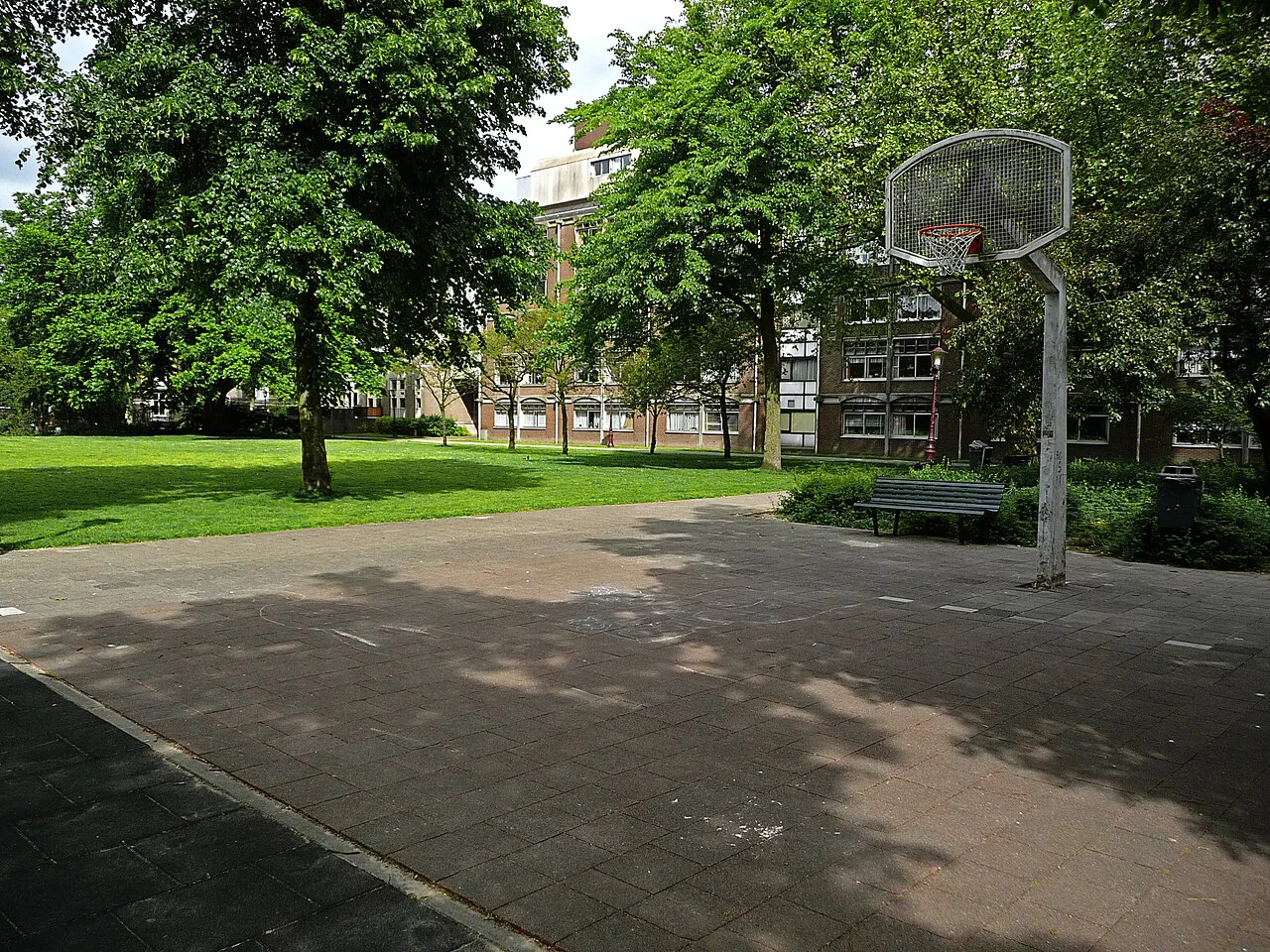
Green spaces benefit communities in several distinct ways: trees can provide shade, planted areas can help manage rainwater, and public spaces can offer places to spend time outdoors. Which benefit a site provides depends on its plants, design, location and upkeep. A small shaded route and a stormwater garden solve different problems, so a useful discussion begins by asking what residents need from a particular place.
Shade changes the experience of a route
Trees and other vegetation have a natural cooling effect, which is why communities and local governments consider them in efforts to reduce heat-island effects. Shade can make a walk or waiting place more comfortable, especially where people regularly spend time outdoors. But a tree nearby does not automatically shade the sidewalk or bus stop; canopy, orientation, buildings and time of day shape where shade falls. [1]
That distinction helps turn a broad aspiration into a practical one. If residents need a cooler route to a destination, map the exposed stretches and the places people can pause. A site with greenery but no shade over the walking surface may still provide habitat or visual relief, yet it may not address the route’s immediate need.
Planted ground can handle rainwater
In built-up areas, rain that does not evaporate or soak into the ground can flow into storm drains and nearby waterways. The EPA describes green infrastructure as using filtration, infiltration and evapotranspiration to treat and absorb rainwater where it falls. Rain gardens, green roofs and permeable pavement are examples. A green space may incorporate these features, but the benefit depends on site design, soil, drainage and maintenance. [2]
This is not the same as a guarantee against flooding. Stormwater systems face changing rainfall and local constraints, and EPA research examines how communities can manage water quantity, quality, costs and maintenance. When a project claims to reduce runoff, ask what it is designed to capture or treat and who will keep the system working. [2]
Access determines who receives a benefit
A public green space can offer a place to sit, meet, play or take a short walk. Those uses are only possible when the space is reachable and usable. A park behind a difficult crossing, an entrance with steps, or an exposed path with no resting points may exclude people who would otherwise benefit. The distance from homes matters, but so does the route from the sidewalk into the space.
Ask residents what they want to do there before settling on a design. One group may need seating and shade; another may want a naturalized planting area or a clear connection to a nearby park. The phrase “green space” covers places with different purposes. A community gains more when a space responds to everyday use than when it simply adds planted area on a plan.
Recovery is more than adding plants
Some green-space projects aim to restore ecosystems. The UN Decade on Ecosystem Restoration defines restoration as assisting ecosystem recovery and conserving ecosystems that remain intact. It can happen through active planting or by removing pressures that prevent natural recovery, and it applies to cities as well as other environments. It does not always mean returning a site to its former state; current infrastructure and changing conditions matter. [3]
For instance, a hypothetical paved lot might be converted into a planted public space. That change can add greenery, but whether it restores an ecosystem depends on what had been degraded, what ecological functions are supported and what pressures remain. A planted design may require water and ongoing care; letting suitable vegetation recover may be another approach in some contexts. Local conditions decide which is appropriate.
Match the benefit to a local need
Benefits can overlap, but they should not be collapsed into a single promise. A tree-lined street may provide shade without functioning as a stormwater facility. A rain garden may manage runoff without offering a comfortable place to gather. A restored planting may serve ecological goals while needing clear signs or paths to help people understand where public access is appropriate.
A useful next step is to name one local need, identify a public space where it occurs and ask the responsible agency what design or maintenance action could address it. If several benefits are proposed, ask how each will be assessed. That simple distinction makes community discussion more practical and keeps claims tied to what the site can actually do.
Follow the evidence
Primary sources used in this story. Practical examples are illustrative unless a source states otherwise.
- US EPA: Using trees and vegetation to reduce heat islands ↗
- US EPA: Stormwater management research ↗
- UN Decade: What is ecosystem restoration? ↗
Read our editorial standards. Have a correction? Identify the article and relevant source in your feedback to the site owner.