tree day
Guide
How to plan a wildfire-safer yard?
Start with the home and the materials nearest it, then shape surrounding vegetation to local guidance. A careful plan can reduce ignition opportunities while avoiding the assumption that every healthy plant must go.
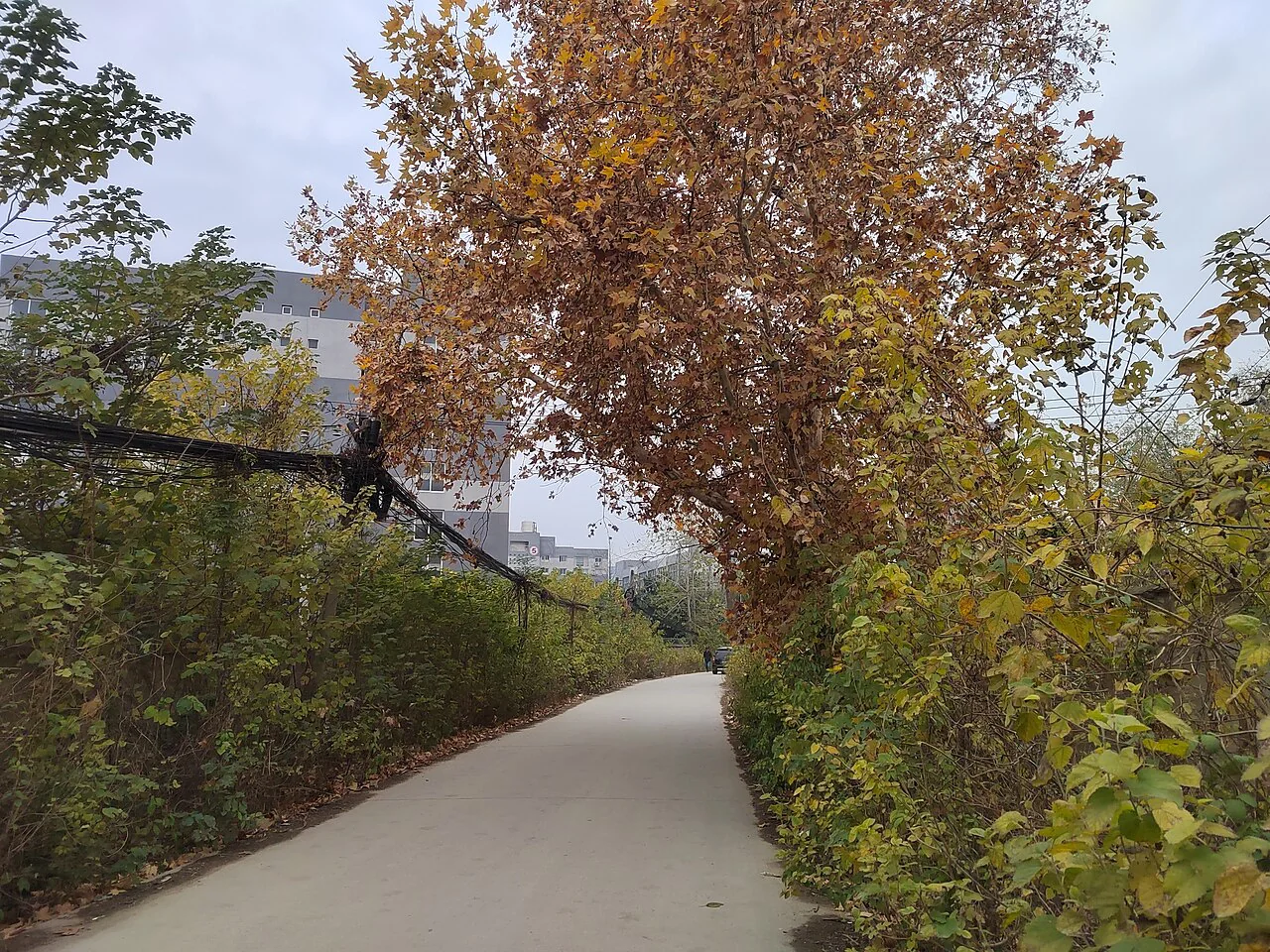
A wildfire-safer yard is planned from the building outward. Embers can land near a home and ignite leaves, mulch, stored items or dry vegetation, so the closest area deserves careful attention. Farther out, spacing, maintenance and local landscape conditions matter. The goal is to reduce ways fire can reach a structure, not to treat every tree or garden as equally risky or to assume one national checklist fits every property. [1] [3]
Begin with the structure, not a plant list
Walk the perimeter and note places where leaves, needles, dead stems, firewood, bins, furniture or other combustible material collect. Check roofs, gutters, decks, stairs, vents and the narrow strip beside walls. CAL FIRE’s Ready for Wildfire guidance gives special attention to the first five feet around a building and describes progressively wider management zones in California. Its specific distances and requirements belong to that jurisdiction; they are not a universal code for every town or country. [1]
Before removing plants or changing hardscape, check your local fire authority, building department and any applicable land-management rules. Requirements can depend on location, slope, structure and parcel boundaries. If a tree needs pruning, or a plant is close to a utility or structure, seek qualified local advice rather than cutting branches or roots without a plan. A site inspection can identify the work that matters most and avoid creating a new problem through rushed clearing.
Prioritize the nearest ignition opportunities
Work outward in passes. First remove accumulated dead material from roofs, gutters, decks and other places where embers could lodge; store combustible items as local guidance directs. Then look for dry or dying vegetation and branches that touch or overhang structures. A tidy-looking yard is not the measure of safety: the useful question is whether a particular material, its condition and its position could help fire reach the building.
A Forest Service study of single-family homes after California’s 2018 Camp Fire found that distance to the nearest destroyed structure, nearby structure losses and pre-fire tree canopy were among the strongest predictors of survival in its sample. The authors also found that contributors differed by home age; much observed damage to homes that survived appeared associated with radiant heat from nearby burning structures or flames from near-home combustibles. This observational study describes one devastating fire and associations, not a formula that predicts an individual home’s outcome or proof that removing all trees improves safety. [3]
Manage vegetation by location and condition
Do not choose plants by a “fire-resistant” label alone. CAL FIRE notes that risk can vary with a plant’s care and environment: drought stress, accumulated dead material, mature size and the way growth is arranged all affect maintenance needs. The same agency recommends consulting local nursery, landscape or Cooperative Extension expertise for plants suited to the region. That local knowledge is more useful than copying a species list from a different climate. [2]
Keep the space nearest structures clear or arranged according to local requirements, and maintain distance between vegetation and roofs, vents, windows and decks. Farther away, consider how grasses, shrubs and tree crowns relate to one another; dead material and continuous dense growth may need attention. Preserve healthy vegetation where it fits the local plan and does not create a documented hazard. In a dry region, the water needed to keep a planting healthy is also part of the decision. There is no single “fire-safe” plant that makes upkeep unnecessary.
Turn the walkthrough into a manageable plan
Make a simple sketch with the house, outbuildings, slopes, property edges, large trees, access routes and places that collect debris. Mark urgent maintenance separately from larger projects. For example, a homeowner might first clear dry leaves from a roof valley and move stored firewood away from a wall, then ask a local fire professional whether a mature shade tree needs any work. That example is a planning sequence, not a site-specific safety prescription.
Set a recurring reminder to inspect after windy weather and during the season when leaves or needles accumulate. Photograph the same areas if it helps you notice changes, and keep notes on work completed and advice received. If neighbors’ homes or vegetation are close, discuss shared concerns respectfully; fire can cross property lines, and individual yard work cannot control every exposure. Coordinate major vegetation changes with the relevant local authority, especially near natural areas, waterways or protected trees.
Keep the limits visible
Vegetation management is only one part of wildfire preparation. Building materials, vents, roofs, access, evacuation planning and the behavior of a wind-driven fire also matter. A yard plan cannot promise that a home will survive, and an attractive planting scheme is not a substitute for local fire guidance. Revisit the plan when a home is renovated, trees grow, a drought changes plant condition or local rules are updated.
Follow the evidence
Primary sources used in this story. Practical examples are illustrative unless a source states otherwise.
- CAL FIRE: Defensible space ↗
- CAL FIRE: Fire-smart landscaping ↗
- US Forest Service: Housing arrangement and vegetation factors associated with single-family home survival in the 2018 Camp Fire ↗
Read our editorial standards. Have a correction? Identify the article and relevant source in your feedback to the site owner.